Image
Crim Lab

Where Science Meets Justice

The Master of Science in Forensic Science at John Jay College prepares the next generation of forensic scientists through rigorous coursework, hands-on laboratory training, and mentorship from internationally recognized faculty.

Established in 1968, our program offers advanced training in the scientific principles and laboratory methods used to analyze and interpret evidence in the justice system. Students gain experience in modern forensic techniques while developing the critical thinking, ethical judgment, and problem-solving skills needed in today’s forensic science careers.

Students specialize in Criminalistics, Molecular Biology, or Forensic Toxicology, with training in areas such as microscopy, instrumental analysis, analytical chemistry, biology, molecular biology, and forensic interpretation.

The program is accredited by the Forensic Science Education Programs Accreditation Commission (FEPAC), confirming that it meets rigorous standards for forensic science education, faculty expertise, curriculum, and student research.

Our Program

  • Our Faculty

    Our curriculum emphasizes laboratory skills taught by leading experts in the field 

  • Our Students & Alumni

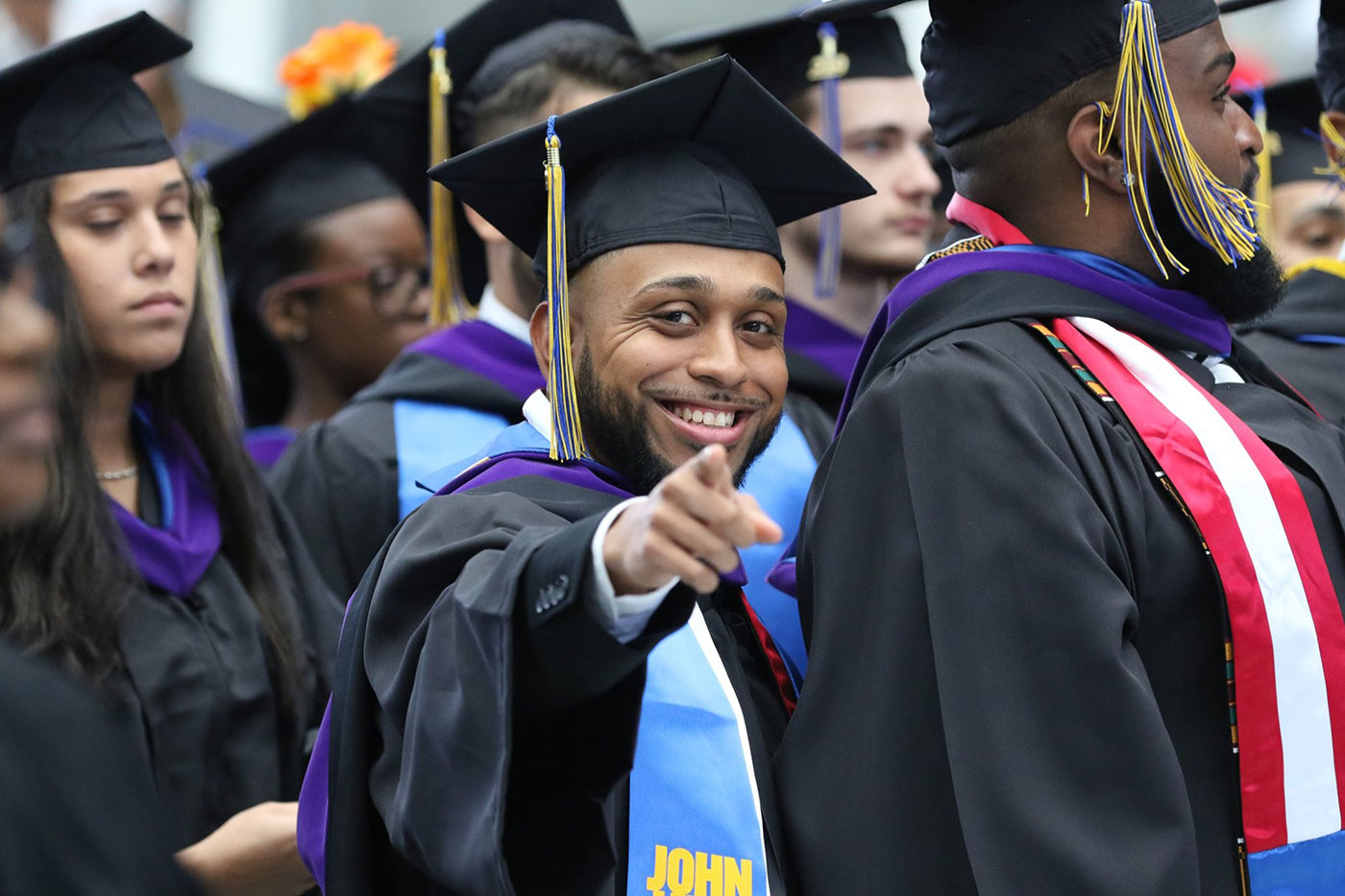
    Our students leave the program ready to enter the job market

  • Why John Jay?

    Access distinguished faculty, innovative research & extensive academic resources

Explore Our Forensic Science Facilities

  • Image
    Play video: Inside the Instrumental Lab: Tour the analytical instrumentation facilities where students learn techniques used across forensic chemistry, toxicology, and trace evidence analysis.
    Instrumental Analysis Laboratory
    Tour the analytical instrumentation facilities where students learn techniques used across forensic chemistry, toxicology, and trace evidence analysis.
  • Image
    Play video: Inside the Criminalistics Lab: See where students develop practical skills in evidence examination, microscopy, trace evidence analysis, and crime scene-related laboratory techniques.
    Criminalistics Laboratory
    See where students develop practical skills in evidence examination, microscopy, trace evidence analysis, and crime scene-related laboratory techniques.
  • Image
    Play video: Inside the Molecular Biology Lab: Explore the DNA laboratory where students gain hands-on experience with molecular biology techniques relevant to forensic biology and DNA analysis.
    Molecular Biology Laboratory
    Explore the DNA laboratory where students gain hands-on experience with molecular biology techniques relevant to forensic biology and DNA analysis.
  • Image
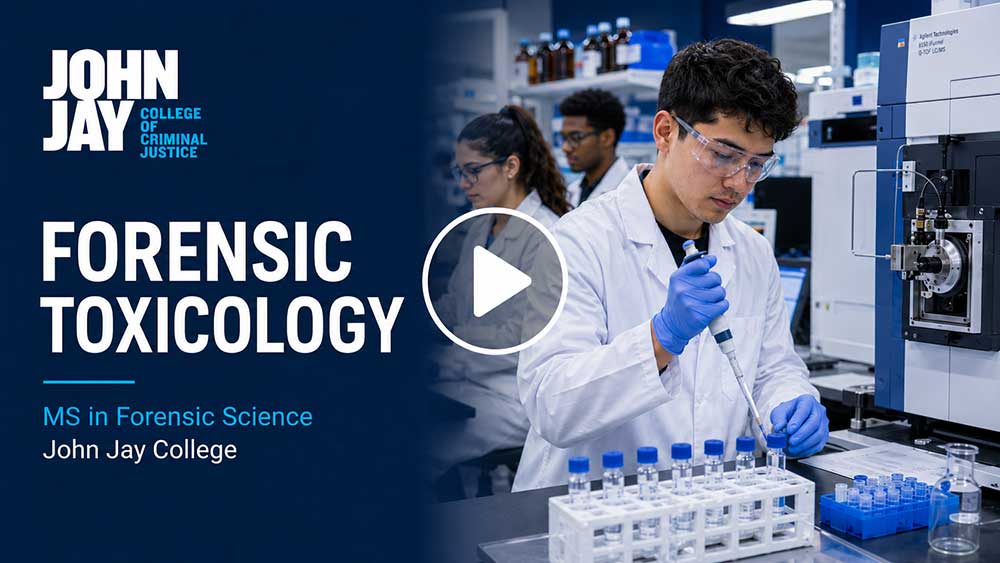
    Play video: Inside the Toxicology Lab: Explore the laboratory spaces and instrumentation used for forensic toxicology training and research, including drug testing and alternative biological matrices.
    Forensic Toxicology Laboratory
    Explore the laboratory spaces and instrumentation used for forensic toxicology training and research, including drug testing and alternative biological matrices.
Scroll for more

Highlights

Scroll for more

Resources

Scroll for more

Contact us