
Psychology PhD Program - Student Profiles
Ethel Nalule, 2025 (Clinical)
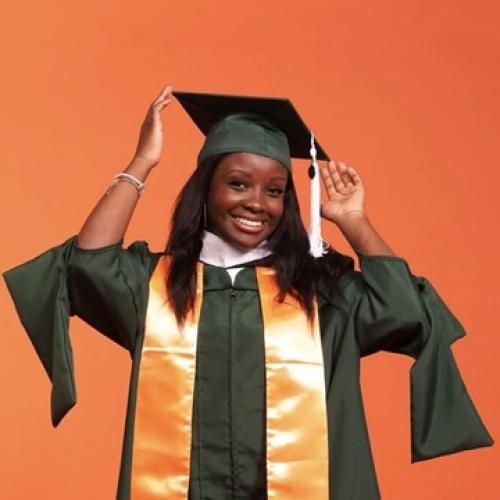
Pursuing her doctoral studies on the unceded and occupied traditional territory of the Lenape people, Ethel Kirabo Nalule is a doctoral student in the Clinical-Psychology PHD Program at John Jay College of Criminal Justice/CUNY Graduate Center. She holds a Bachelor of Science in Psychology and Forensic Science from Trent University and a Master of Science in Community Psychology from Florida A&M University. Under the supervision of Dr. Evan Auguste, her current research examines the psychological impacts of land dispossession and displacement, with a particular focus on how these experiences are associated with trauma symptoms among Black and Indigenous communities.
Evelyn Pineda, 2025 (Clinical)
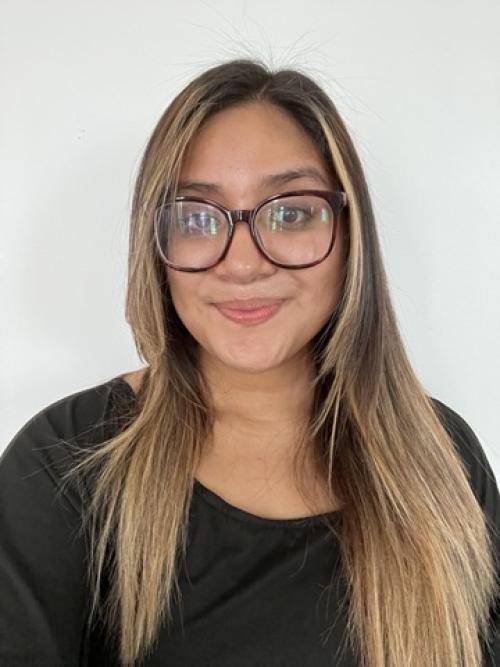
Evelyn Pineda is a doctoral student in the Clinical-Psychology PHD Program at John Jay College of Criminal Justice. During her undergraduate career, Evelyn earned two distinct degrees, a B.S. in Brain & Cognitive Science and a B.A. in Psychology, at the University of Rochester. Evelyn’s research interests are woven together by cognitive development, neuroscience, and clinical psychology, with a special focus on intergenerational trauma and its impact on underserved communities of color. Upon graduating with her bachelors, Evelyn was funded by the NIH’s Post-baccalaureate Research Education Program (PREP) at the University of Rochester Medical Center, where she investigated the effects of childhood trauma on cognitive processes in a threatening environment, using virtual reality. Before transferring to John Jay under the supervision of Dr. Amy H. Lee, Evelyn began her graduate studies at Hofstra University where she earned an M.A. in Clinical Psychology and gained experience as an on-call campus crisis counselor. Evelyn dreams of starting a lab of her own, teaching, and providing bilingual (English & Spanish) services specializing in trauma-focused care.
Jessica Fagan, 2025 (Psychology and Law)

Jessica Fagan is a doctoral student in the Psychology and Law-Psychology PHD Program at John Jay College of Criminal Justice. Jessica graduated Summa Cum Laude from John Jay with a B.A. in Forensic Psychology and Criminology, and just couldn’t leave home. Working with Dr. Margaret Bull Kovera and Dr. Jacqueline Katzman, her research focuses on wrongful convictions, specifically legal decision-making in the context of eyewitness identification procedures. Her two current projects focus on eyewitness identification procedures. The first examines how disclosure that facial recognition technology (FRT) was used to generate suspects affects witnesses’ likelihood of choosing, the confidence and accuracy of those decisions, and how this impacts the risk of wrongful convictions. The second study investigates whether cross-examination can mitigate the effects of exposure to procedural bias on jurors during pre-trial and in-court identifications. Jessica has received the John Jay Psychology Department Overhead Grant for the FRT project and the AP-LS Undergraduate Grant-in-Aid Award for her cross-examination project. She was also recently honored with the Arthur and Elaine Niederhoffer Award at the John Jay B.A. Commencement Ceremony. Jessica is interested in a career that bridges academia and industry. She hopes to become a professor, jury trial consultant, and serve as an expert witness.
Victoria Shepard, 2025 (Clinical)
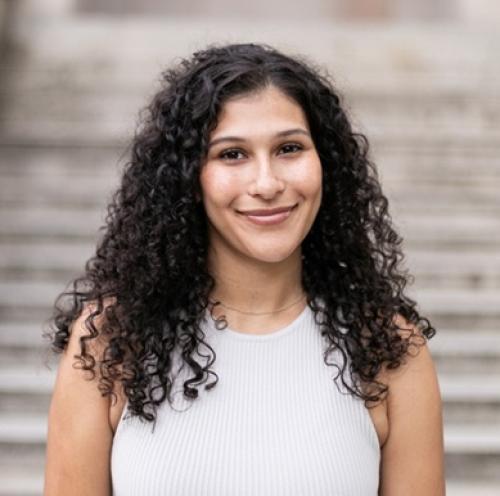
Victoria is a doctoral student in Clinical-Psychology PHD Program at John Jay College. Victoria earned her BS in Psychology with a minor in Spanish from the University of Washington in 2022. Prior to beginning her doctoral studies, Victoria worked as a clinical research coordinator under the mentorship of Dr. Sarah Kopelovich at the University of Washington’s SPIRIT Center. In this role, she coordinated phase two of the Cognitive Behavioral Therapy Training Study, a randomized controlled trial evaluating the first digital support tool to leverage conversational AI in training mental health practitioners in CBT for psychosis. She also coordinated the Psychosis REACH (Recovery by Enabling Adults Carers at Home) training program, which provides caregivers with CBTp skills to better support loved ones with psychotic disorders. Victoria currently working with Dr. Philip Yanos. Victoria's research interests center on improving psychosocial functioning and recovery outcomes for individuals with serious mental illness, with a particular focus on family involvement and stigma reduction in forensic settings.
Jadaera Lorenzo, 2025 (Psychology and Law)
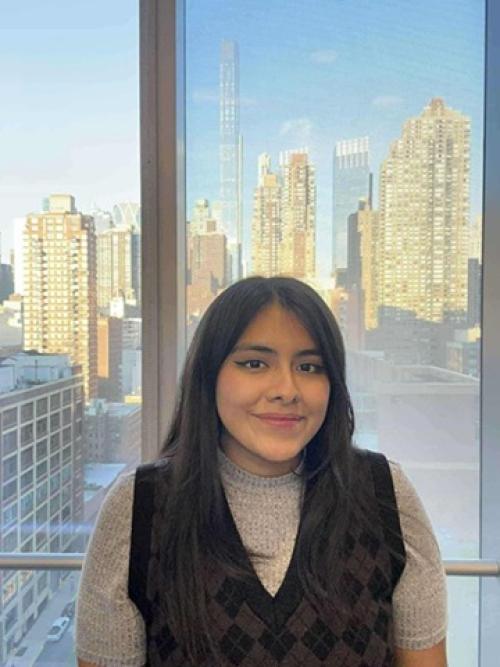
Jadaera Lorenzo is a doctoral student in the Psychology and Law-Psychology PHD Program at John Jay College of Criminal Justice. She earned her bachelor’s and master's degrees in forensic psychology at John Jay’s accelerated dual-degree program, January 2022. As an undergraduate, Jadaera was selected as a National Science Foundation Fellow, conducting research under the mentorship of Dr. Jaihyun Park, and examining how verbal framing influences mock jurors' perceptions and legal decisions using footage from police body-worn cameras. She also assisted Dr. Yuchen Hou in developing a national database of U.S police shootings of 2015 to identify multilevel factors that may differentially contribute to the opportunities for fatal and non-fatal police shootings. After graduating, Jadaera worked at The Fortune Society, studying the desistance process among individuals recently released from New York State prisons and under parole supervision in various boroughs of New York City. Jadaera is currently working with Dr. Deryn Strange and Dr. Kelly McWilliams, and plans to continue her research on body-worn cameras, legal decision-making, and memory distortions."
Karis Treadwell, 2025 (Clinical)
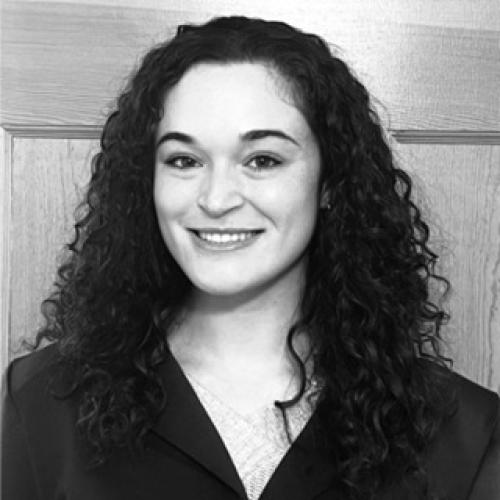
Karis Treadwell is a doctoral student in the Clinical-Psychology PHD Program at John Jay College of Criminal Justice. She received her B.A. from Bowdoin College in 2023. Since then, she has worked at the University of Pennsylvania's Center for the Treatment and Study of Anxiety. Serving as a Clinical Research Coordinator, she has supported Dr. Sandy Capaldi's PEACE Project, a community-based implementation initiative training providers in Prolonged Exposure for PTSD following gun and community violence in Philadelphia. At John Jay, Karis is joining Dr. Amy Lee's Lab for Youth Trauma Recovery, where she will study culturally informed trauma interventions for youth belonging to marginalized groups and justice-involved youth.
McKenna Cameron, 2024 (Psychology and Law)
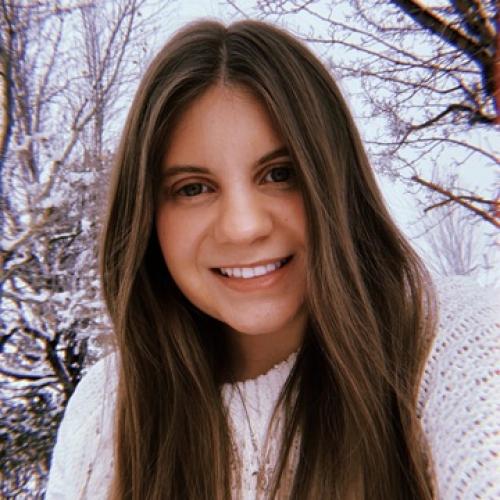
McKenna Cameron is a doctoral student in the Psychology and Law-Psychology PHD Program at John Jay College of Criminal Justice. She received her M.A. in Forensic Psychology from John Jay College of Criminal Justice where she conducted her master’s thesis under Dr. Kelly McWilliams’ advisement looking at how attorneys question children about temporal information in cases of alleged child sexual abuse. McKenna also received B.A.s in Psychology and Criminal Justice from the University of Nevada, Reno during which she worked as a Public Service Intern at the Reno Police Department. McKenna is primarily interested in children’s developmental capabilities to recall traumatic memories and their developmental limitations for providing legally relevant information about maltreatment.
Jason Carty, 2024 (Psychology and Law)
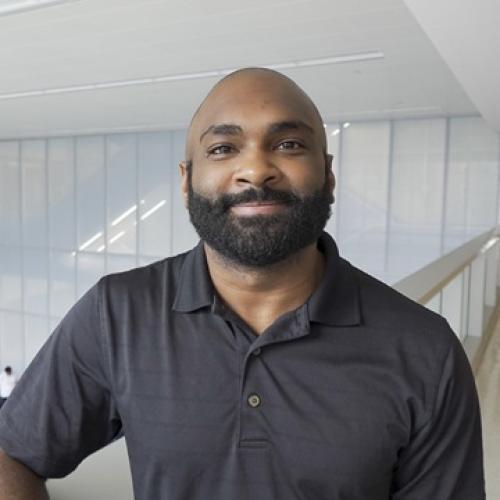
Jay is a doctoral student in the Psychology and Law-Psychology PHD Program at John Jay College of Criminal Justice. Jay holds a BS in psychology from George Mason University and an MA from John Jay College of Criminal Justice. Jay completed a thesis project measuring the effects of witness coercion and familiarity on defense attorney decision making. Dr. Margaret Kovera is his primary advisor. Jay is currently interested in witness coercion, interviewing techniques, and uncooperative witness statements. Jay’s current projects include a collaborative project with the Midwest Innocence Project and a collaborative project with Arizona State.
Daniel Gordon, 2024 (Psychology and Law)
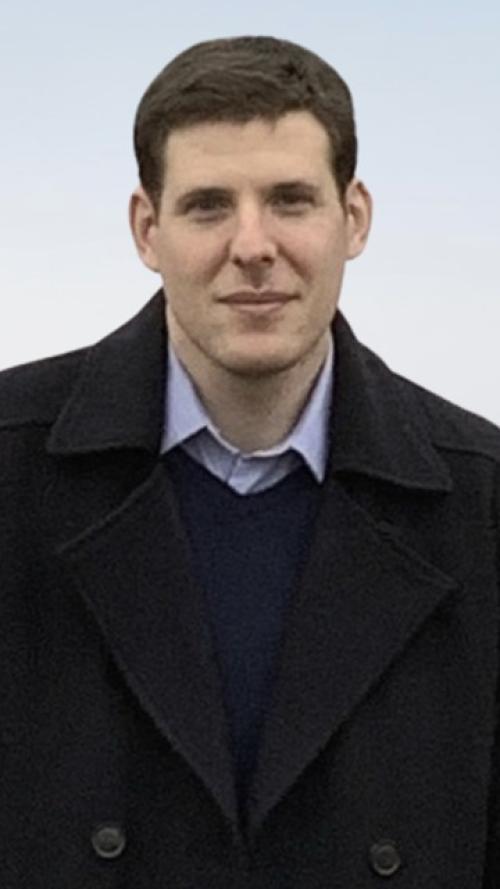
Daniel is a doctoral student in the Psychology and Law-Psychology PHD Program at the John Jay College of Criminal Justice. Daniel received his B.S. in Business Administration and Psychology at Towson University and his J.D. from the University of Baltimore School of Law. During his time at Towson University, Daniel completed an honors thesis examining the effects of exoneree impairment on damage awards in wrongful conviction lawsuits under the supervision of Dr. Jeff Kukucka. Broadly, Daniel’s research interests include wrongful conviction stigma, false confessions, and children’s experiences in the legal system. Daniel is working in Dr. Jacqueline Katzman's lab.
Hailey Jensen-Cline, 2024 (Clinical)
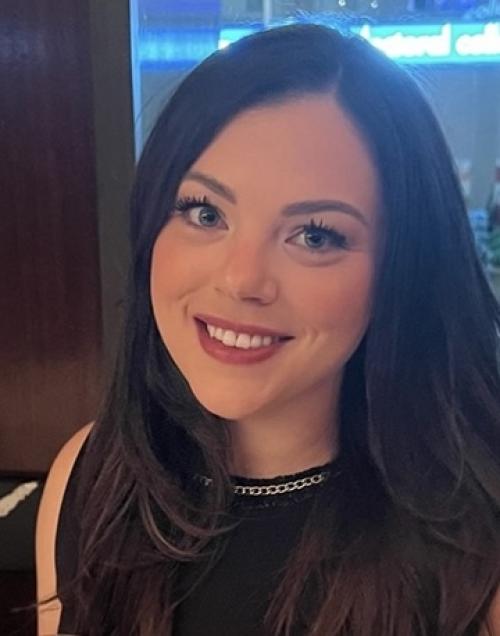
Hailey Jensen-Cline is a doctoral student in the Clinical-Psychology PHD Program at John Jay College of Criminal Justice. She earned a B.A. in Psychology from the University of North Carolina at Chapel Hill in 2020, followed by a M.A. in Psychology from the Harvard University Extension School in 2023. Her master’s thesis was on juror decision making in cases that utilize expert and eyewitness testimony. Prior to her time at John Jay, Hailey worked at the UNC School of Medicine as a Research Specialist in the department of Psychiatry where she coordinated Phase 3 pharmaceutical cognition studies for individuals on the schizophrenia spectrum. At John Jay, Hailey works under the guidance of Dr. Kevin Nadal. Her research interests include microaggressions and mental health outcomes in minoritized populations, along with racial and cultural bias in neuropsychological reports.
Nicole Lashley-Simms, 2024 (Clinical)
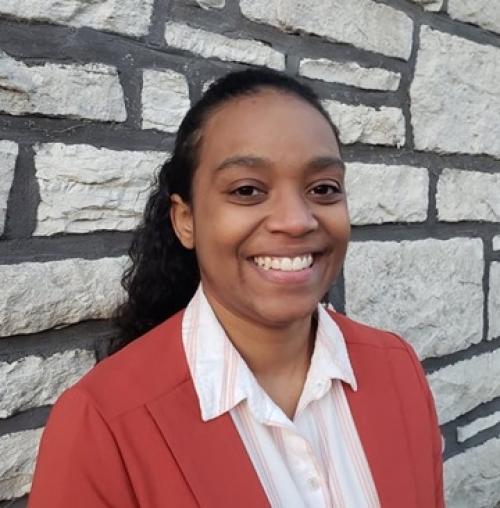
Nicole Lashley-Simms is a doctoral student in Clinical-Psychology PHD Program John Jay College of Criminal Justice. Nicole received her B.A. from Washington University in St. Louis where she majored in Cognitive Neuroscience and Women, Gender, and Sexuality Studies and worked as a peer counselor for a sexual assault and rape crisis line. Nicole served as the Clinical Research Coordinator at Washington University School of Medicine in the Neonatal Development Research Lab, where she worked on several NIH funded R01 studies including the Healthy Brain and Child Development (HBCD) study, a multi-site longitudinal study of early brain and child development. At John Jay, Nicole works under the supervision of Dr. Chitra Raghavan in the Sex Trafficking and Domestic Violence lab. Her current research uses a mixed-methods approach to examine sexual coercion and intimate partner violence in the LGBTQ+ community and seeks to validate psychometric measures in sexual minority populations.
Makena Tinney, 2024 (Clinical)
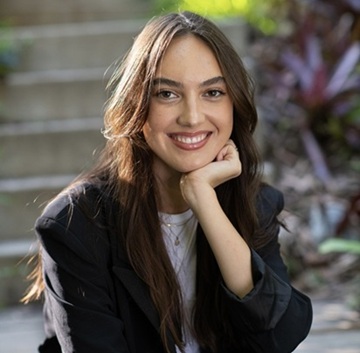
Makena Tinney is a doctoral student in the Clinical-Psychology PHD Program at John Jay College of Criminal Justice. She graduated with departmental and college honors from the University of California, Los Angeles in 2024 with a BA in Psychology and Sociology. Makena has conducted research on legal system-involved youth's experiences during detention and access to trauma-informed, credible messenger services using statistical modeling and community-based participatory methods. Her current research examines how traumatic and stressful events—such as childhood abuse and neglect—intersect with criminal legal system involvement. Using longitudinal methods, Makena seeks to understand the long-term effects of legal system interactions, identify opportunities for implementing evidence-based interventions in forensic settings, and contribute to scientific knowledge that promotes social justice and evidence-based policy. Makena is a first-generation college student, mediocre crocheter, and avid museum-goer.
Stephany Betances, 2023 (Clinical)
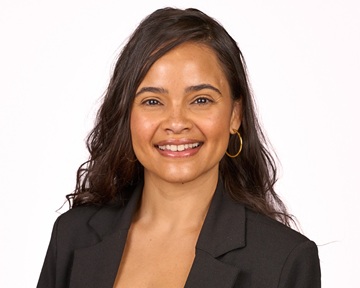
Stephany Betances is a doctoral student in the Clinical-Psychology PHD Program at John Jay College of Criminal Justice. Stephany is an alum of John Jay’s Forensic Psychology MA program and earned a bachelor’s degree from Syracuse University. During her second year in the master’s program, she began her advocacy work for justice-involved youth through a placement with Brooklyn Defender Services (BDS) as part of the Pinkerton Graduate Fellowship. After graduating, she returned to BDS as a mitigation specialist and later as a supervisor with the Adolescent Representation Team. Stephany works with Dr. Emily Haney-Caron in the Youth Law & Psychology Lab, conducting research that aims to inform developmentally appropriate outcomes for adolescents in the juvenile legal system. Stephany is dedicated to informing stakeholders and community leaders about developmentally appropriate interventions for justice-involved youth and advocate for policy changes to enhance their legal rights. Stephany is also fluent in Spanish.
Sean Bennett, 2023 (Psychology & Law)
Sean Bennett is a doctoral student in the Psychology and Law-Psychology PHD Program at the John Jay College of Criminal Justice. Sean has a dual concentration in Basic and Applied Social Psychology. He received his BA in Psychology with honors from Indiana University of Pennsylvania in 2023. Sean directs the Public Carry Lab, which explores how people react to encountering armed individuals in public spaces. He serves as manager of the Gun Safety Lab under Mark Fondacaro, researching Extreme Risk Protection Orders and how to balance such orders while maintaining constitutional protections. He also collaborates with Kelly McWilliams on research examining plea bargaining among sex offenders. His first doctoral research, “Beyond the Barrel: Behavioral, Social, and Policy Pathways to Gun Deaths in the United States,” examines gun deaths through behavioral, social, and policy perspectives. He is preparing two firearm-related papers for publication and researching risk factors and warning behaviors related to gun violence. Sean is co-author on “Examining the Consequences of Dehumanization and Adultification in Justification of Police Use of Force Against Black Girls and Boys,” published in Law and Human Behavior. He has presented research at national conferences including ASC and AP-LS, and serves as a recitation leader for Research Methods in Psychology.
Jaleel King, 2023 (Psychology & Law)
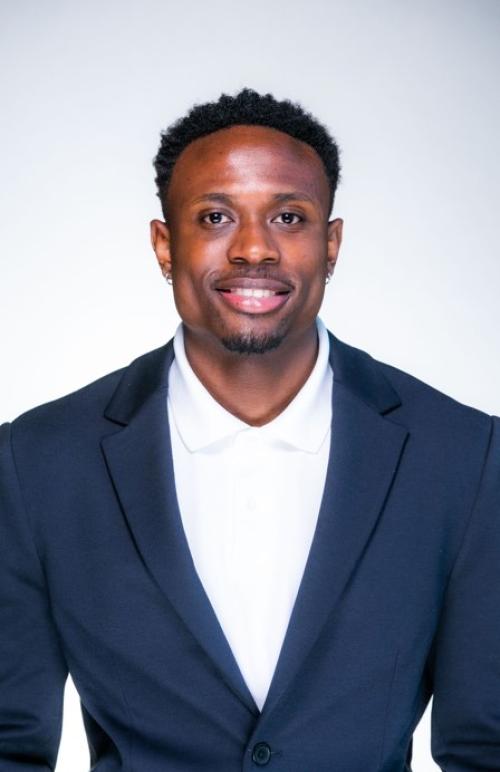
Jaleel King is a doctoral student in the Psychology and Law-Psychology PHD Program at the John Jay College of Criminal Justice. Jaleel graduated from John Jay College of Criminal Justice with a BA in Forensic Psychology and a minor in Africana Studies. During his undergraduate years, Jaleel has taken advantage of the wide range of opportunities involving himself in programs such as the Pinkerton Fellowship and the Ronald E. McNair program. Jaleel’s interest in research began after working with at-risk youth during his time as a Pinkerton fellow, where he witnessed the inequality of the justice system. As a McNair scholar, Jaleel worked closely with Margaret Kovera and Jacqueline Katzman on a project focused on evidence-based suspicion. Jaleel’s research interests include reasonable suspicion, jury decision-making, and eyewitness testimony. Jaleel works with Margaret Kovera and Jacqueline Katzman on the effects of evidence-based suspicion.
Lillian Phillips, 2023 (Psychology & Law)

Lillian Phillips is a doctoral student in the John Jay Psychology and Law PhD program. She graduated summa cum laude from the University of Florida where she earned her bachelor’s in criminology and psychology. Her undergraduate work was under Dr. Lora Levett and involved studying wrongful convictions where mistaken eyewitness identification was involved. Her undergraduate honors thesis involved looking at prosecutorial misconduct through the lens of focal concerns theory. Working with Dr. Kovera and Dr. Kassin at John Jay, her research involves eyewitness testimony, perceptions of custody, comprehension of Miranda rights, and suspect development. Her master’s thesis project involves looking at estimations of guilt when witness confidence and pre-identification evidence strength varies. She is also involved in helping run an in-person study that focuses on understanding perceptions of custody and comprehension of Miranda rights when participants are either in an interrogation or an interview.
Bibi Subhan, 2023 (Clinical)
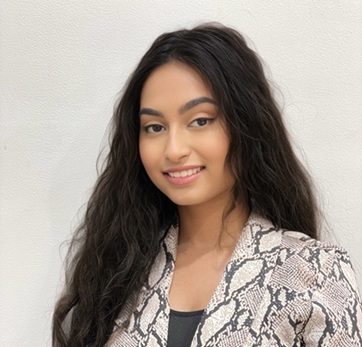
Bibi Aneesa Subhan, M.A., holds a B.A. and M.A. in Forensic Psychology from John Jay College of Criminal Justice and is currently pursuing a Ph.D. in Clinical Psychology at the CUNY Graduate Center. Her research is grounded in a commitment to culturally responsive care, exploring how racial trauma, cultural identity, and systemic inequities influence mental health outcomes and therapeutic engagement, particularly among historically marginalized communities. Bibi has contributed to NIH-funded research on serious mental illness, co-authored peer-reviewed publications on culturally grounded models of healing and presented nationally on the role of culture in clinical care. Methodologically, her work applies advanced quantitative techniques to examine mechanisms linking identity, trauma, and clinical outcomes. Ms. Subhan’s clinical training includes neuropsychology externships at Weill Cornell Medicine and Mount Sinai, where she conducts comprehensive cognitive assessments for individuals with complex neurological and psychiatric conditions. These experiences have expanded her understanding of how sociocultural context influences diagnostic processes, cognitive functioning, and patient-provider communication. Across both research and clinical work, Bibi aims to promote more equitable, person-centered approaches to mental health care that are informed by both data and lived experience.
Janelle N. Robinson, 2022 (Clinical)
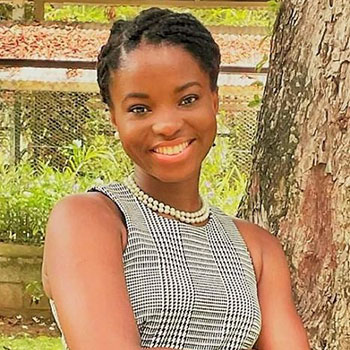
Janelle N. Robinson holds an M.A. in Forensic Psychology and another in Forensic Mental Health Counselling; both obtained at John Jay College of Criminal Justice, New York, NY, USA. While at John Jay, Ms. Robinson received the Pinkerton Community Graduate Fellowship and several Merit Scholarship awards. Post her graduate studies, Ms. Robinson practiced privately as an Associate Clinical Psychologist and a Researcher at the Caribbean Institute for Health Research (CAIHR), University of the West Indies, Mona Campus, Kingston, Jamaica. Her research interests center around psychological trauma, the psychological impact of violence exposure, and integrating culturally- and conceptually-valid assessment tools and interventions into mental health and psychosocial services. She has worked with at-risk youths, their families, and caregivers of persons with neurocognitive disorders. She has co-authored several academic papers and reports on topics such as domestic violence and its psychological consequences, barriers to addressing mental health challenges across Caribbean nations, and workplace wellness during COVID-19. Ms. Robinson also raises mental health awareness via media appearances and corporate lectures within the English-speaking Caribbean. She enjoys the performing arts, visiting the beach, listening to reggae music, and is a dog lover.
Gilberto Torres, 2022 (Clinical)
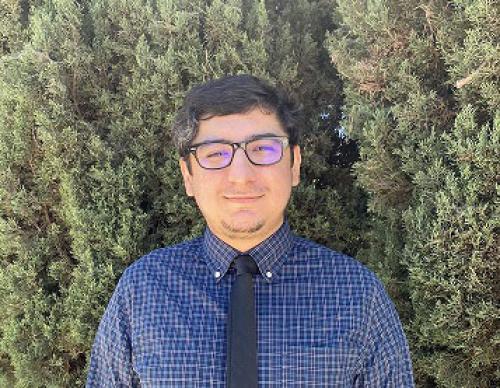
Gilberto Torres is a doctoral student in the Clinical-Psychology PHD Program at John Jay College of Criminal Justice. He graduated with his Bachelor of Arts in Psychology from the University of California, Santa Cruz in 2016. Since graduating, he has been involved in NSF- and NIH-funded research projects at the University of California, Riverside broadly examining adversity and adaptation, disparities in access to mental health resources for communities of color, and the effects of incarceration and the justice system on youth. Gilberto’s research interests center on refining and implementing culturally-sensitive and strength-based trauma interventions. Gilberto current projects focus on the impact of community violence exposure, systems-contact, and social determinants of health on youth development. Gilberto’s goal is to create equity in access to effective mental health resources for youth and their families through his research.
Dashawn Ealey, 2022 (Clinical)
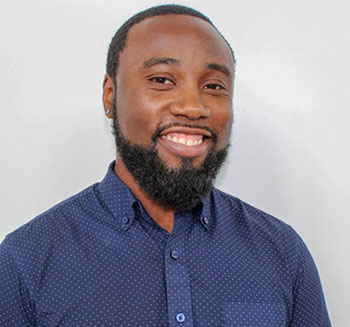
Dashawn Ealey is a doctoral student in the Clinical-Psychology PHD Program at John Jay College of Criminal Justice. In 2007, he was selected as a Posse Scholar through the Posse Foundation to receive a full-tuition leadership scholarship to Wheaton College, MA. He earned a BA in African, African American Diaspora Studies from Wheaton College, MA in 2011, an M.S.Ed in Higher Education from the University of Pennsylvania in 2015, and an MA in Psychology from The New School for Social Research in 2022. Dashawn research is guided by the following questions: What are the psychosocial mediators and moderators of the association between intersectional stigma and psychopathology among BIPOC LGBTQ+ people? How do evidence-based and culturally tailored interventions promote positive mental health outcomes and protect BIPOC LGBTQ+ people from the adverse effects of intersectional stigma? Dashawn is a proud native New Yorker, Brooklynite, first-generation Blackademic, and gay Black man. Dashawn is an avid documentary watcher, animated series and movie lover, dedicated Pokémon Go player, and philosophical conversation seeker.
Lakshmi Gopalakrishnan, 2022 (Clinical)
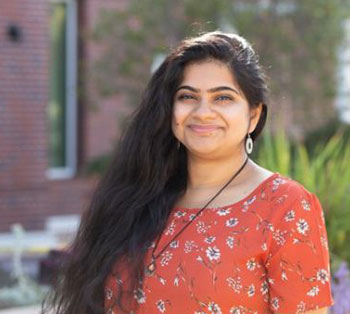
Lakshmi Gopalakrishnan is a doctoral student in the Clinical-Psychology PHD Program at John Jay College of Criminal Justice. She earned a B.S. in Public Health from the University of Texas at Austin in 2015 and a MSc in Global Mental Health from King’s College London and London School of Hygiene and Tropical Medicine in 2016. For the past few years, Lakshmi has worked as a Clinical Research Coordinator and a Research Supervisor at the Juvenile Justice Behavioral Health Lab at the University of California, San Francisco. At UCSF she worked on numerous studies focused on improving behavioral health outcomes for systems-involved youths and caregivers, co-developed family-focused dyadic interventions with child-welfare partners, and was part of the team that was evaluating a domestic violence homicide prevention initiative. Lakshmi has also collaborated with partners in the UK and India on projects examining health disparities and gender-based violence. Lakshmi is passionate about community-based participatory research and believes that it is imperative to creating culturally-sensitive, sustainable, and scalable interventions. At John Jay, Lakshmi hopes to study the long-term impacts of violence exposure, specifically childhood abuse, neglect, and domestic violence.
Stacie Keck, 2022 (Psychology & Law)
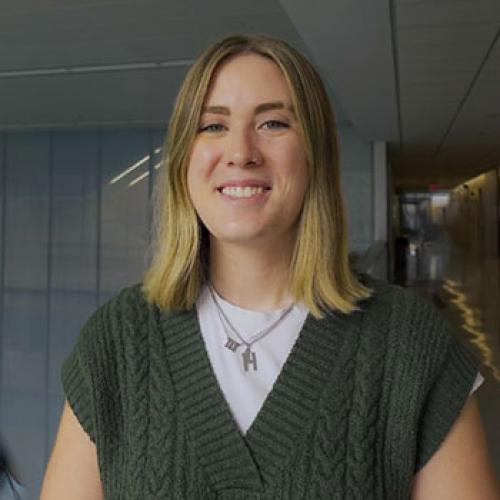
Stacie is a doctoral student in the Psychology and Law-Psychology PHD Program at the John Jay College of Criminal Justice. Graduating with honors, she earned her B.A. in psychology and criminology from the University of Alabama (Roll Tide!). Working with Dr. Jacqueline Katzman and Dr. Steven Penrod, Stacie current research interests revolve around police decision-making, specifically in the context of using force. By using a novel measurement of discretion granted, validated through real use-of-force policies, her goal is to examine how police violate norms when using force. She is also interested in whether jurors are sensitive to these norm violations when use-of-force cases go to trial. Additionally, Stacie is collaborating with the Midwestern Innocence Project on an archival data analysis study, with the help of Dr. Margaret Kovera. In the future, she is searching for research scientist jobs in justice-oriented organizations. Formally from the Seattle, WA area, Stacie enjoys strength-training, sports, expressing herself through art, and listening to all genres of music.
Kris-Ann Anderson, 2022 (Psychology & Law)
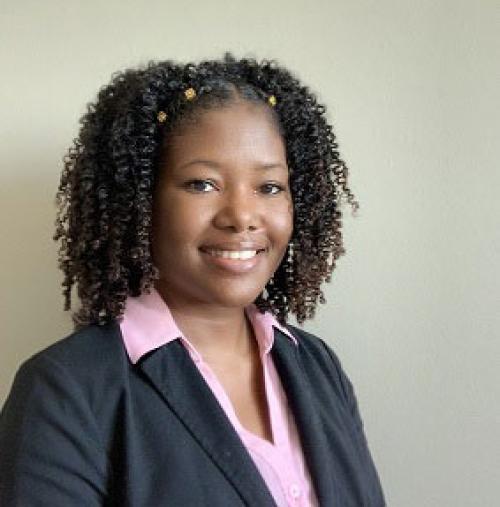
Kris-Ann Anderson is a doctoral student in the Psychology and law-Psychology PHD Program at John Jay College of Criminal Justice. She received her B.A. in Psychology from the University of South Florida and her M.S. in Psychology from the University of Louisiana at Lafayette. Kris-Ann completed her master’s thesis on the impacts of post-identification feedback on people’s susceptibility to misinformation under the supervision of Dr. Robert Michael. After graduation, she acted as the lab manager and research mentor in Dr. Michael’s lab. She continued working on studies focused on memory distortions and mentoring undergraduate students in research methods. At John Jay, Kris-Ann will be working with Deryn Strange and Steve Penrod, where she intends to continue researching factors that influence memory distortions in eyewitnesses. Kris-Ann is an international student, originally hailing from Montego Bay, Jamaica. She enjoys running, watching documentaries, reading fiction, and listening to podcasts in her spare time.
Natalie Tesfamicael, 2022 (Psychology & Law)
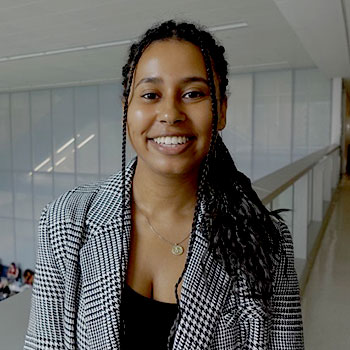
Natalie Tesfamicael is a doctoral student in the Psychology and Law & Basic & Applied Social Psychology (BASP) at John Jay College of Criminal Justice. She is advised by Dr. Margaret Bull Kovera and Dr. Deryn Strange. Natalie attended Santa Monica College (2019) before transferring to UCLA as an undergraduate, where she worked on projects, and her honors thesis, with Dr. Jaana Juvonen and Dr. Alan Castel. She earned her BA from UCLA (2022) in psychology with departmental and college honors. At John Jay, Natalie’s first doctoral project together with Dr. Kovera focuses on assessing the reliability of eyewitness identification judgments when the suspect is a familiar other. Furthermore, she is also working on an NSF-funded collaboration with Arizona State University to explore social influence in double-blind lineup administrations. Natalie’s research interests broadly include eyewitness identifications, jury decision-making, and the applications to the legal system.
Kabrianna Tamura, 2021 (Clinical)
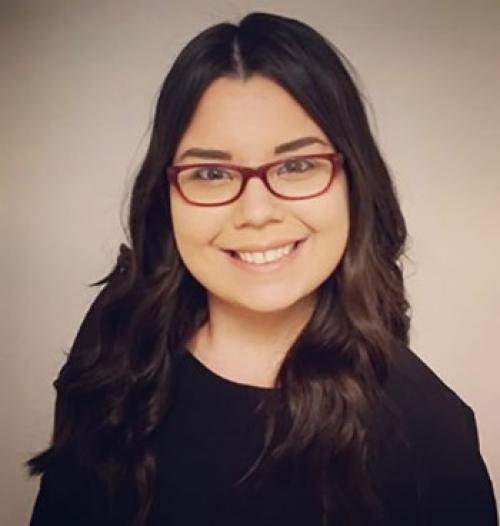
Kabrianna Tamura is a doctoral student in the Clinical-Psychology PHD Program at John Jay College of Criminal Justice. She graduated summa cum laude in 2019 with a Master’s in Criminal Justice/Investigative Criminology and in 2016 with a Bachelors in Criminal Justice/Forensic Psychology from Seattle University. Over the past two years, Kabrianna has been providing outreach-based psychotherapy to individuals experiencing first episode psychosis and to members of the Deaf community. Prior to that, she worked for 5 years in a forensic psychiatric clinic transversing a variety of roles including psychometrician, research assistant, and practice manager. She was the Managing Editor for The Journal of Criminology, Criminal Justice, Law & Society from 2017-2019. Her research interests involve the intersection of neuropsychology, cultural competency, and the law.
Shanique Y. Meyler, 2021 (Clinical)
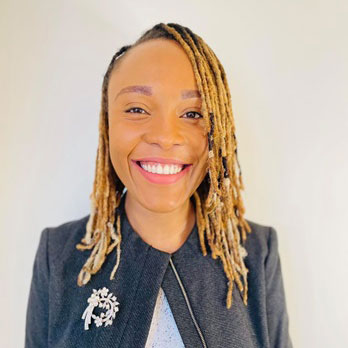
Shanique Y. Meyler is a doctoral student in the Clinical-Psychology PHD Program at John Jay College of Criminal Justice. Shanique graduated with a bachelor’s degree and Master's degree from Brooklyn College and John Jay College of Criminal Justice, City University of New York. As an undergraduate student the seed of intellectual activism and increasing marginalized group representation in higher education was planted which blossomed during her time at John Jay. Post-graduation she worked as a research assistant, then was promoted to a senior research scientist at Columbia University, Vagelos College of Physicians and Surgeons. Her research interests include culturally responsive cognitive assessment battery, global mental health, disparity in access to mental health care and making treatment more accessible and personalized in public mental health facilities among patients on the schizophrenia spectrum. For self-care she enjoys hiking, painting and learning kanji.
Alexander Legg, 2021 (Clinical)
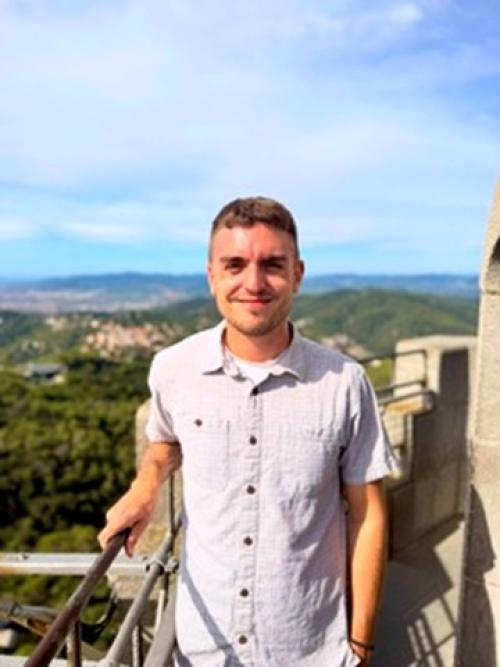
Alexander Legg is a doctoral student in the Clinical-Psychology PHD Program at the John Jay College of Criminal Justice. He earned his bachelor’s degree in Gender Studies from the Macaulay Honors College at CUNY Baccalaureate for Unique and Interdisciplinary Studies. His undergraduate thesis, under the supervision of Dr. Chitra Raghavan, examined the extent, type, and severity of violence experienced by a sample of male sex workers. Prior to joining the doctoral program, Alexander completed his master’s in clinical psychology from the American University of Beirut in Lebanon. His master’s thesis, supervised by Dr. Fatimah el-Jamil, examined predictors of coercive-controlling behavior among university students in Lebanon. Additionally, he completed a clinical internship at the Embrace Mental Health Center in Beirut. At John Jay, Alexander works under the supervision of Dr. Chitra Raghavan. He is currently working on projects that examine coercive control and intimate partner violence in the LGBTQ+ community.
Ellie Aronson, 2021 (Psychology & Law)
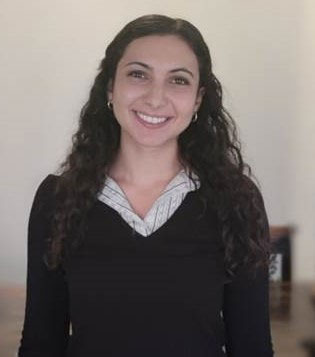
Ellie is a student in the Psychology and Law-Psychology PHD Program at John Jay College of Criminal Justice. She is currently working with Dr. Margaret Kovera to research legal decision-making. Broadly, she is interested in how legal actors engage in motivated reasoning processes which allow them to justify ethically dubious behaviors, and how these behaviors collectively produce unjust outcomes. Ellie’s main research projects include a collaboration with the Midwest Innocence Project to investigate racial disparities in cases involving eyewitness misidentifications, and a collaboration with Arizona State to investigate social influence in eyewitness identification procedures. In the future, she hopes to research prosecutorial decision-making and Brady violations. Prior to graduate school, Ellie attended New York University, where she obtained a B.A. in Psychology and Criminal Justice. Ellie spent four years working with Dr. Tessa West at NYU on a series of studies related to interpersonal perception, stereotype threat, and physiological stress contagion. She also worked as a lab manager for Dr. Kelly McWilliams at John Jay College, exploring topics related to child forensic interviewing and attorney decision-making. In addition to her academic work, Ellie has served as a peer mentor-for justice involved youth (NYU R.O.S.E.S. Program) and a crisis counselor (Crisis Text Line).
Lilliam Castillo, 2020 (Clinical)

Liliam Castillo Etienne is a doctoral student in the Clinical-Psychology PHD Program at John Jay College of Criminal Justice. She graduated from Northeastern Illinois University with a B.A. in Psychology and went on to work as the lead psychometrician and clinic coordinator in the Neuropsychology Department at the University of Illinois at Chicago. At John Jay, she conducts research in Dr. Rebecca Weiss’s lab, where she examines neuropsychological assessment in Spanish-speaking and bilingual populations, with a particular focus on the clinical utility and psychometric/diagnostic properties of performance and symptom validity tests in culturally and linguistically diverse groups. Her clinical training and interests spans adult and pediatric neuropsychology across a range of neurological and psychiatric conditions, including adults with dementia, complex neurological/medical disorders, epilepsy, and mood disorders. In her free time, she enjoys traveling the world, trying new restaurants in NYC, and watching psychological thrillers and documentaries.
Sheharyar Hussain, 2020 (Clinical)
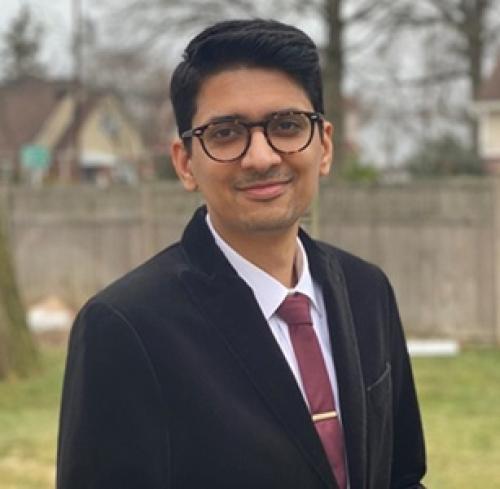
Sheharyar (pronounced as Sherry-Yaar) graduated magna cum laude from John Jay College of Criminal Justice with a BA in Forensic Psychology in 2017, and earned his MA in Clinical Psychology from Teachers College, Columbia University in 2019. His master’s thesis focused on investigating the relationship between self-criticism and non-suicidal self-injury in individuals diagnosed with borderline personality disorder. After graduating from Teachers College, Sheharyar worked as a psychology extern in a low-income charter school in Washington, D.C., where he conducted psychological assessment with middle school children and advocated for them to receive adequate mental health services. Additionally, he also worked as a Registered Behavior Therapist with children with autism in the Northern Virginia area. At John Jay, Sheharyar is working with Dr. Philip Yanos in the Mental Health Recovery Research Lab to assess stigma-related barriers to mental health treatment in Pakistani individuals living in Pakistan and the US.
Jennifer M. Jones, 2020 (Psychology & Law)
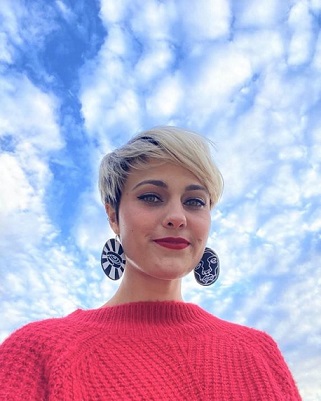
Jen graduated from California State University, Los Angeles with her B.A. in Psychology and a minor in Criminal Justice (2018) and her M.S. in Psychology (Forensic Option, 2020). During her time in Los Angeles, Jen worked with Dr. Mitch Eisen, investigating eyewitness identification procedures, jury biases, and interrogation methods that produce false confessions. She has collaborated with the Los Angeles Sheriff’s Department to elucidate the dangers of showups and improve their eyewitness identification procedures, as well as with the Los Angeles Probation Department to evaluate their Juvenile Competency Remediation Program. Jen also has applied experience interning for a trial and jury consulting firm. She is passionate about disseminating research to those in the field, having co-authored papers published in the National Association of Criminal Defense Lawyers’ journal, The Champion, and IACP’s Police Chief Magazine, in addition to psychology journals (e.g. Law & Human Behavior; Applied Cognitive Psychology). Under the guidance of Margaret Bull Kovera and Steve Penrod, Jen intends to continue conducting research that will allow for empirically-driven policy and procedural change within police departments, courts, and correctional facilities.
Radha Kanchana Karthik, 2020 (Clinical)
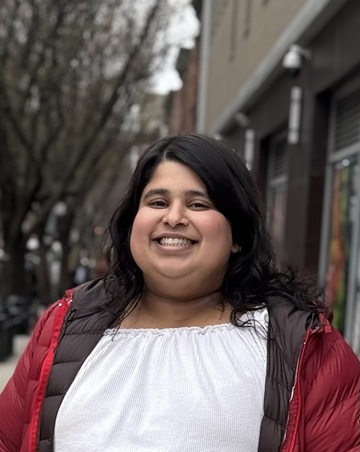
Radha is a student in the Clinical-Psychology PHD Program at John Jay College of Criminal Justice. She received her B.S. with Honors from the University of Wisconsin-Madison in 2018 with majors in Neurobiology, Psychology, and Philosophy. Post-graduation, she worked as a Clinical Research Coordinator in a joint-appointment with the Kiehl Lab at the Mind Research Network and the Koenigs Lab at the Wisconsin Psychiatric Institute and Clinics on several NIH- and NIMH-funded studies at the intersection of neuroscience and psychology. At John Jay, Radha has worked under the mentorship of Dr. Maureen Allwood and Dr. Emily Haney-Caron. Her research interests are at the intersection of pediatric traumatic brain injury and posttraumatic stress, and she is passionate about integrating considerations of culture and systems in examining adolescent recovery outcomes. Clinically, Radha’s interests lie in neuropsychological assessment for patients across the lifespan with diverse identities and referrals. In her personal time, Radha is an avid reader and crafter, loves spending time with her dog, and enjoys exploring new restaurants and museums.
Stacey Morales, 2020 (Clinical)
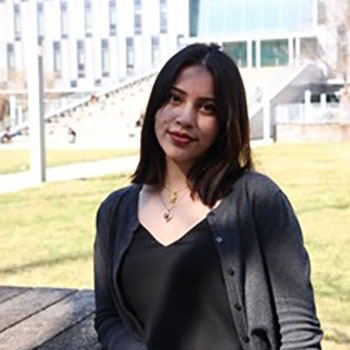
Stacey is a doctoral student in the Clinical-Psychology program at John Jay College of Criminal Justice. They graduated summa cum laude from John Jay College with a BA in Forensic Psychology and an honors minor in Latin American studies in 2020. As an undergraduate, Stacey worked in Dr. Chitra Raghavan’s sex trafficking and domestic violence lab where they developed an interest in sexual coercion within interpersonal relationships. They also completed a McNair thesis examining sexual coercion experiences of college-age Latinx women. Stacey’s clinical experiences includes crisis counseling work through the RAINN National Sexual Assault Hotline and working as a clinical extern conducting intakes, individual, and group therapy. Stacey currently works with Dr. Silvia Mazzula in the Racial and Cultural Inclusion and Social Change lab. They are interested in examining sexual victimization in Latinx communities and the influence of cultural norms on disclosure, coping, and help-seeking behaviors.
Lili Ramos, 2020 (Clinical)
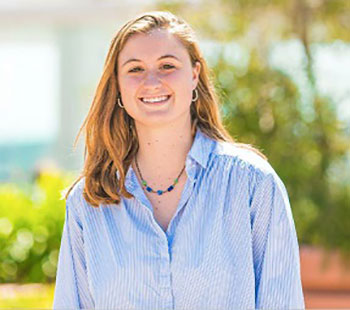
Lili Ramos is a doctoral student in the Clinical-Psychology PhD program at John Jay College of Criminal Justice. Lili received her BA from Bowdoin College in 2018, with a major in Psychology and a minor in Hispanic Studies. Before starting at John Jay, Lili spent two years as a Clinical Research Coordinator in the Juvenile Justice Behavioral Health Lab at the University of California, San Francisco (UCSF). At UCSF, Lili worked on multiple studies aimed at improving behavioral health outcomes for systems-involved youth, with a specific focus on evaluating a gender-responsive behavioral health intervention. At John Jay, Lili works with Dr. Emily Haney-Caron in the Youth Law & Psychology Lab, conducting research that aims to inform juvenile legal system policy and practice reforms, and ultimately promote positive outcomes for youth. In 2022, Lili was selected for the National Science Foundation’s Graduate Research Fellowship Program. Lili’s current research focuses on examining factors that contribute to adolescents’ experiences on probation and applying an ecological approach to better understand probation success.
Gayathri Cheran, 2019 (Clinical)
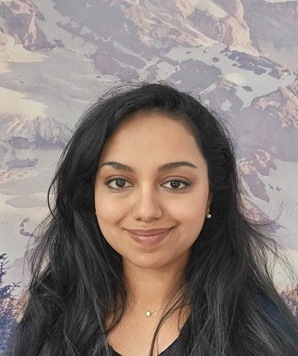
Gayathri graduated cum laude from Virginia Tech with a B.S. in Psychology and a B.S. in Human Development, and recently received her M.S. in Neuroscience & Education from Teachers College at Columbia University. Prior to coming to John Jay, Gayathri worked at the Taub Institute at the Columbia University Medical Center in a lab studying familial frontotemporal lobar degeneration (FTLD), where as research coordinator, she oversaw and managed operations for a longitudinal multi-site international R01-funded study investigating biomarkers and the clinical prodrome of FTLD in families carrying pathogenic gene mutations. Gayathri's clinical experience includes her time answering crisis calls through the RAFT Crisis hotline of the New River Valley in Virginia, and the Victims Assistance Services helpline in Westchester County, NY. She has also served as a certified Rape Crisis Hospital Advocate, providing in-person advocacy and support at emergency rooms for sexual assault survivors undergoing forensic examination. Gayathri is thrilled to be joining Dr. Widom's lab, studying long-term outcomes associated with childhood abuse and neglect.
Catherine Harris, 2019 (Clinical)
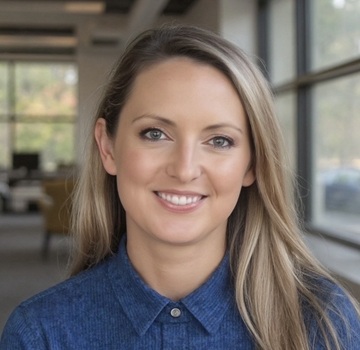
Catherine Harris is a doctoral student in the Clinical-Psychology PHD Program at John Jay College of Criminal Justice. She has several years of experience working with highly traumatized and underserved populations across research, clinical, and legal settings. Before graduate school, she held multiple roles at Emory University and Grady Hospital in Atlanta, and contributed to several research projects focused on improving outcomes for individuals affected by PTSD, HIV, and/or substance use. Since beginning the program at John Jay, Catherine has completed training placements at public hospitals, psychoanalytic institutes, and the VA. She is mentored by Dr. Cathy Spatz Widom and Dr. Peggilee Wupperman. Her research focuses on complex trauma and its effects over the lifespan.
Elise Juraschek, 2017 (Clinical)
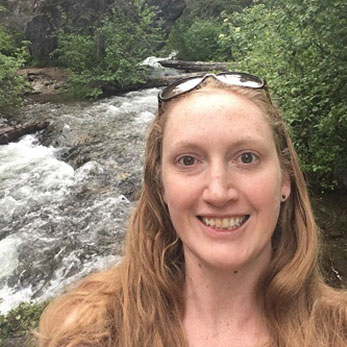
Elise is a doctoral student in the Clinical-Psychology PHD Program at John Jay College of Criminal Justice. She moved from Missoula, Montana where she had attended the University of Montana. She graduated with a second BA in psychology with high honors. She also received a BA in political science from the University of North Carolina at Asheville. While at the University of Montana she worked as research assistant in the sexual violence lab that was involved in the University’s Safe Campus Survey, which was designed to gather information on the status of the campus related to sexual assault. As part of this lab, she presented numerous posters and presentations. Elise also has worked in several clinical settings. She worked in a therapeutic youth home for teenage boys, worked with parents doing supervised visitation, and a wilderness therapy program. She was also involved with the local domestic violence shelter doing support groups, in person crisis counseling and answering the 24 hour crisis line.