Image
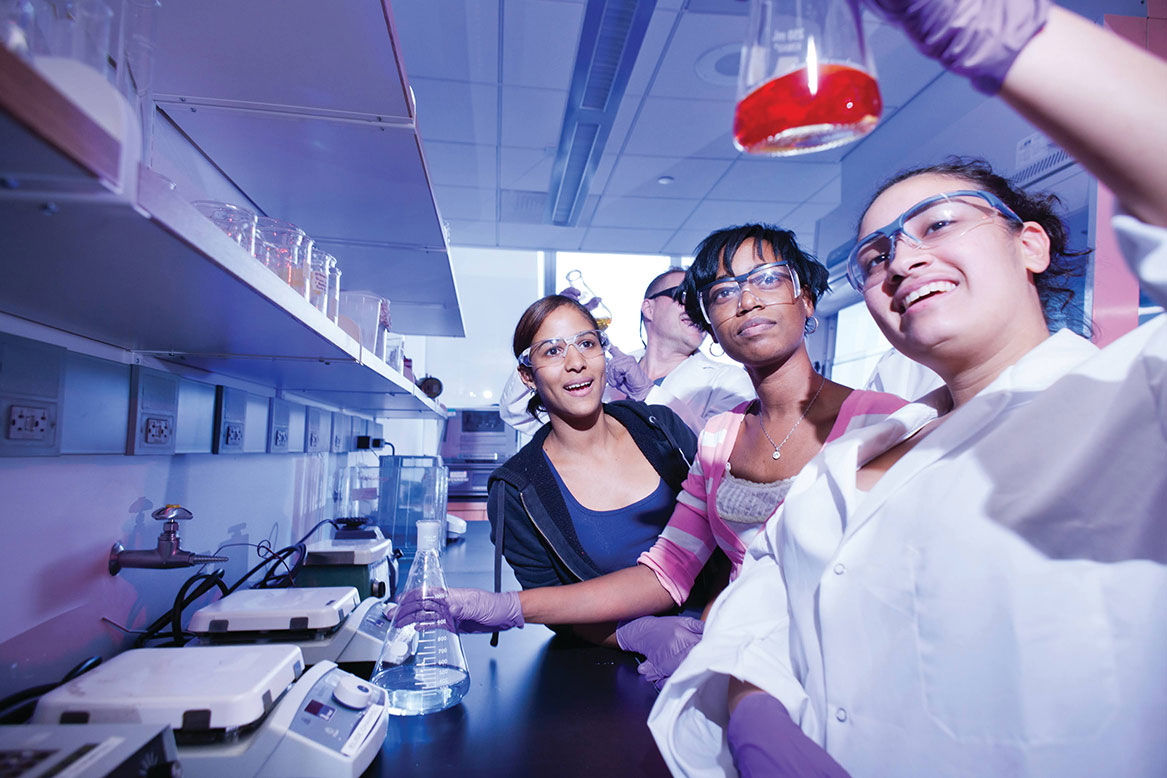
Three students wearing safety goggles and gloves work in a science lab; one student holds up a flask with a red liquid.

Resources for Current PRISM Students
Our Programs and Services!

Scroll for more

Our Impact

Icon
800+
Statistic description
Undergraduates who participated in PRISM
Icon
150+
Statistic description
PRISM alumni admitted to graduate programs in STEM, health & more
Icon
4x
Statistic description
Increase in STEM graduates since 2006

              Our goal is to help our students see themselves as scientists and future professionals and to
           expose them to opportunities for further training and growth. The National Science Foundation,
               the National Academy of Sciences and CUNY all recognized PRISM as a model of excellence for
               improving the number of students from underrepresented communities in the STEM pipeline.

Image
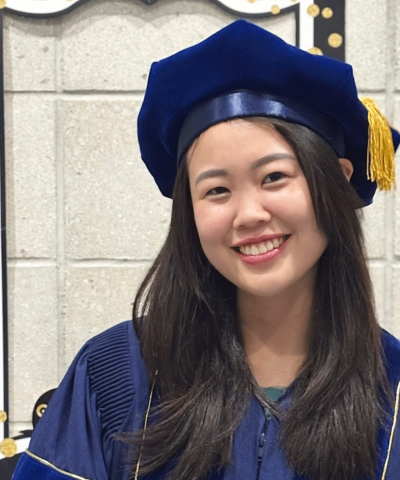
Hannah Chu '19

Hannah Chu ’19 Earns Ph.D. in Entomology & Joins John Jay Faculty

Major: B.S. Forensic Science
Graduate Degree: Ph.D. Entomology from the University of California, Riverside ’25
Current Job: Doctoral Lecturer, Forensic Science, John Jay College
Program: Honors ProgramProgram for Research Initiatives in Science (PRISM), Peer Tutor Math and Science Resource CenterAcademic Advisement Center 
Internships: Summer Research Intern, Cornell University; Summer Research Intern, University of Florida 
Mentors: Edgardo Sanabria-Valentín, Ph.D., PRISM Associate Director/Adjunct Assistant Professor; Gabriella Sanguineti, Ph.D., PRISM Research & Outreach Coordinator/Adjunct Chemistry Professor; Jennifer Rosati, Ph.D., Assistant Forensic Science Professor
Hometown: Brooklyn, NY
Career Aspiration: Science Educator 

What was life like growing up before John Jay College? 
I grew up in Brooklyn, New York, in a Chinese-American family. I’m not a first-generation college student because many family members went to college, but I am the first in my family to receive a graduate degree. I was a good student in high school, but oddly enough, I was really bad at science. I almost failed a science class in high school, but that didn’t stop me from pursuing science at John Jay. I’m the type of person who likes a challenge. If someone thinks I can’t do something, I’m going to dig in and prove them wrong. 

What made you want to attend John Jay College? 
At first, I wanted to become a criminal defense lawyer, and I thought John Jay would be a good school for a legal career. Then I did an internship at a law office and I realized it wasn’t the best career option for me. The people were great, but the subject matter didn’t fit my personality. I wasn’t as passionate about the law as they were. After that internship, I decided to major in forensic science because the science behind testimonies was interesting to me. I was also really interested in the opportunity to do research projects through PRISM.

What sparked your passion for science and entomology?
At John Jay, I took an introductory course where we learned basic lab skills, like pipetting. Then we had to choose a lab. I reached out to Dr. Jennifer Rosati, who worked on entomology. My initial thought was, Nope, I don’t like bugs, but the truth was, I didn’t really know how diverse bugs are. All I knew about were the bugs that everyone encounters, like mosquitoes and cockroaches. 

My first project was on the biodiversity of blowflies in Central Park. I had to identify the bugs under a scope, and I found it extremely calming. I enjoyed looking at the different types of flies we were collecting and figuring out exactly what they were. Within this one fly family, there were so many different types of flies. Then the forensic and practical application of those files drew me into the work. 

How did your internships advance your education?
At Cornell, I worked on research studying a caterpillar, the looper, that was a pest on cabbage crops. The looper is this tiny caterpillar that I thought was really cute. It was fascinating learning about these insects and how GMOS could help protect crops. That summer, I realized I liked being around insects. The internship really opened my eyes to how diverse insect research is. Chemists, biologists, and physicists come together calling themselves entomologists because they apply all of these different disciplines to the science of insects.

The following summer, I continued my ever-growing love of insect research at the University of Florida. There, I wanted to work on something that involved climate change and insect development or metamorphosis. For 10 weeks, I studied a pest fly that’s focused onto one specific type of fruit. I researched the seasonal differences when the flies emerged. It was fascinating looking at the circadian rhythm of insects. 

How did your John Jay mentors put you on the path to success? 
I owe my entire career to Dr. Ed (Edgardo Sanabria-Valentín, Ph.D.) and Dr. G. (GabriellaSanguineti, Ph.D.). My family didn’t really know much about the grad school application process. When I joined PRISM, Dr. Ed. and Dr. G. opened that door for me by introducing me to research opportunities and different science careers. They helped me learn how to write scientific papers and showed me how to get funding for research. They were the ones who told me about the summer internships and read over my applications. When it came time to apply to grad school, Dr. Ed. and Dr. G. wrote my recommendations, reviewed my statements, and helped me through the entire process. They even set me up in different workshops where I could learn things like interviewing skills and email etiquette. I can’t express how transformative their guidance was in my life.

Image
Hannah Chu '19 family grad school

What was the focus of your dissertation? 
The first part of my research focused on blowflies in Southern California and the four very different environments in the area—the mountains, beaches, deserts, and woods. I wanted to look at the impact the environment had on the blowflies. Also, I needed to study the differences between native vs. non-native blowflies. We found very distinct genetic differences between the two, with the non-native blowflies being introduced to the area, possibly through trade or travel from Mexico, in the 1980s. We saw the environmental impact on the native flies in their genetics. Whereas, the non-native flies all kind of looked the same genetically. It was hypothesized that because the non-native flies are from a tropical area, they could die out when the temperature is really cold. So, I tested the thermal range to see if the files could function. Between the two species, I found that the non-native species had a very narrow range of survival. At extreme low and extreme high temperatures, they died before the native flies. It was really exciting to see a hypothesis that was correct.

What’s next in your career?
Currently, I’m a doctoral lecturer in the science department at John Jay. I’m teaching foundational biology—the 101, 102, 103, 104 series. I used to dream about becoming a biology educator and mentor. Now, I’m doing it. I love that I can show students how important science is through biology. I’m really excited to engage with students and help them care about science and see the practical applications of it.

What advice do you have for students hoping to follow in your footsteps? 
Trust yourself and follow your dreams. Don’t do things for other people or their expectations. You might feel pressure from your parents, friends, or society to go down a certain path. Don’t fall into that trap, thinking you have to fit into a certain mold. When you find something you’re passionate about, trust that gut instinct. Things are going to work out. There was a point during grad school when I didn’t think I was going to make it. I had to remind myself that it was going to be fine, and it was. 

Please finish this sentence: Because of John Jay… 
I discovered who I am meant to be as a person. Throughout my time at John Jay, I learned the importance of community. Coming back to the College as a faculty member, I’ve made it my goal to be that person, that community member, who uplifts students.

Hannah Chu
Hannah Chu ’19 Earns Ph.D. in Entomology & Joins John Jay Faculty
Read more
Juana Casey Picture
Image
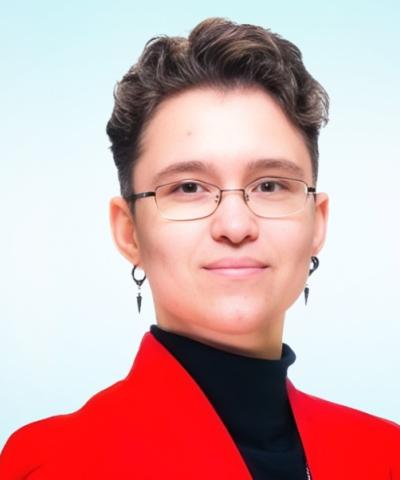
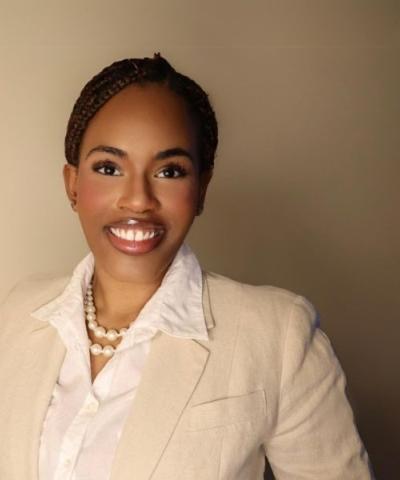
Portrait of Juana Casey

Juana Casey ’27 + Tech Fellowship = Cybersecurity Career
Major: B.S. in Computer Science & Information Security
Mentors: Alana Philip, Derek Casarrubias; Christopher Church
Programs: PRISMHonors, Women in Cybersecurity, CUNY Computer Science CollectiveBlack Honors Student Committee
Internships/Fellowships: Black Girls Code, NYPD
Hometown: Dominica; Bronx, New York
Career Aspiration: User Interface Designer; Digital Forensic Analyst

What was life like before John Jay?
I was born and raised in Dominica and grew up proudly celebrating my Kalinago (indigenous people of Dominica) side. My mom was a single mother raising me and my sister. She was also the teacher in our town, so everyone knew us. My favorite memories from Dominica are being surrounded by friends and family and hanging out down by the river. We would gather there and just celebrate life.

When I was four years old, we came to live in the Bronx and moved in with my grandmother, uncle, and aunt. We all lived in a small, cramped apartment, but it was a home filled with love, family, and a determination to succeed. Education was always a top priority. Since mom couldn’t transfer her teaching degree and license, she had to start over. She went to a CUNY community college before moving on to a senior college for her bachelor’s and master’s degrees in education. My aunt, who lived with us, is also a product of a CUNY education, earning both her bachelor’s degree and doctorate from CUNY schools. Seeing how CUNY made it possible for my mom and aunt to get an education—and go on to become a teacher and doctor—made me want to attend a CUNY college. I saw with my own eyes how the support you get as a CUNY student enables you to achieve your dreams. We wouldn’t be where we are without our CUNY education.

Why John Jay?
I initially wanted to work in law enforcement, so John Jay was always on my radar. One of the things I loved most about the College was its diversity—not only racial, religious, and ethnic diversity but also in what it offered its students in terms of its justice-focused education. When selecting a college, I wanted to pick one where the college community was inclusive and supportive. I wanted a place where different cultures and backgrounds are celebrated. And, I wanted to be at an institution where I could learn about the common good, how to be of service to your community, and how to uplift others, no matter what career path you take. I immediately felt all those things at John Jay.

How has the Honors Program contributed to your John Jay journey?
Being in Honors has pushed me out of my comfort zone and made me more confident. Like many new college students, I initially suffered from imposter syndrome and was really struggling to come out of my shell. But with help from my Honors mentor, Ms. Alana Philip, I feel empowered to speak up, ask questions, share what I’m thinking or going through, and connect with others. It was actually Ms. Philip who saw my potential in tech before I did. She knew I loved creating—dabbling in design, animation, and videography from time to time—and suggested I keep an open mind when pursuing internship and fellowship opportunities. She said I reminded her of John Jay Honors alumna Aaliyah John ’22, who turned her internship in tech into a wonderful career. That boost in confidence has been really encouraging.

What sparked your passion for computer science, coding, and tech?
From a young age, I was fascinated by computers. I remember one time my computer broke down because my software was taking up too much memory. I was so upset because I needed to finish my homework. So, I looked up YouTube videos on my phone, trying to find a way to get the computer up and running again. After hours of watching videos and testing things out, I fixed my computer. It was such a fun experience. I realized how much I enjoyed the process of working to figure out the system. I also have an uncle who works in cybersecurity for the NYPD, and he introduced me to criminal justice and computer forensics. I was intrigued by the idea that technology can help people get justice.

Why did you apply to the fellowship with Black Girls Code and what has your experience been like?
I love learning, and coding is like learning a new language. To envision something in your head and see that vision come to life on a screen because of a code you created is such an amazing feeling. I had followed Black Girls Code for a while and loved their work and mission. I took one of their courses in coding and building a website for social innovation, and it was such a great experience. It got me excited to explore the world of coding further. When I learned Black Girls Code was doing a fellowship in association with CodePath, a nonprofit that offers tech courses and career support to underserved student populations, I knew I had to apply.

With Black Girls Code, I’m learning HTML and CSS and how each coding language has a different purpose. I’m also gaining resume-building skills—a technical resume is so different from a typical resume—and learning more about user interface design. That’s actually what I’m focusing on right now, building projects, such as the “screens” a user sees. I’m also starting to work on my portfolio online, building my own website, showcasing the projects I’ve worked on, learning how to answer code-related questions, and gaining an understanding of the industry.

How have John Jay’s cybersecurity groups helped shape your career plans?
CUNY and John Jay do an excellent job of creating inclusive spaces where students of all backgrounds can find community and thrive. Being part of Women in Cybersecurity (WiCyS) at John Jay and the CUNY Computer Science Collective, I have found a community of incredible people who are willing to share their knowledge, encourage you to pursue opportunities and push you to keep going even when something doesn’t work out. With WiCyS in particular, I’m surrounded by inspiring John Jay students and alumnae, like WiCyS president Anisa Rose Montalvo ’24, ’26, who have helped me build my skills and shown me how to turn passion into a career.

STEM fields, especially computer science, cybersecurity, and coding, don’t have a lot of women or people of color working in them. I want to contribute to diversifying the field and paving the way for others. With the motivation I get while in these groups and at John Jay, CUNY, and Black Girls Code, I know my dreams of working in the tech world will become a reality.

What advice do you have for your fellow John Jay peers?
No matter how challenging things get, please never give up on accomplishing your goals. I was recently diagnosed with PNES (psychogenic nonepileptic seizures)—basically, I get full-body epileptic seizures whenever I’m in a heightened mood (experiencing high levels of anxiety or depression). At times, I’ve wanted to drop out of school because I felt it was too much—the work and the seizures—and that I couldn’t do it. But I realized that with patience and a belief in myself, I can overcome anything that comes my way. So, I want my peers to feel motivated and to never give up.

Juana Casey
Juana Casey ’27 Lands Technical Prep Fellowship with Black Girls Code
Read more
Daniel Aguilar
Image
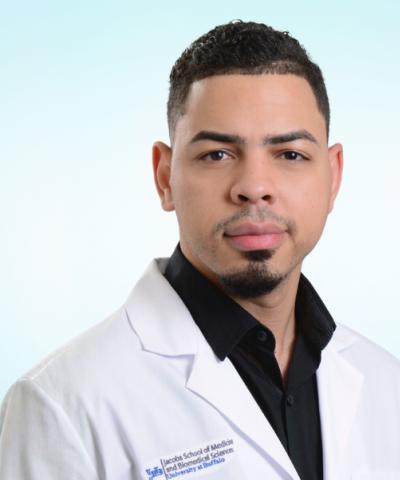
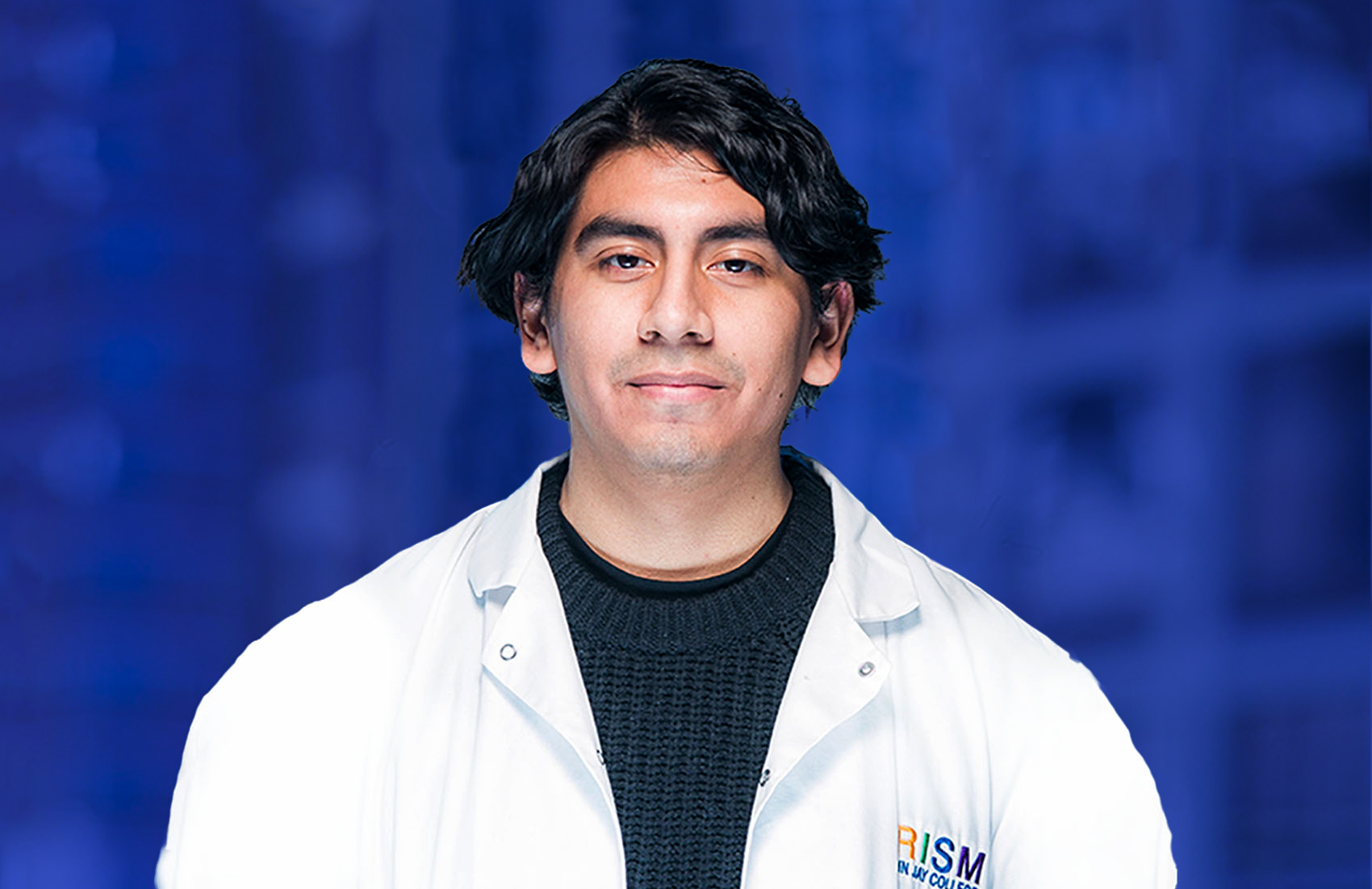
Portrait of Daniel Aguilar in a lab coat

Daniel Aguilar ’23 Secures Mount Sinai Research Job

Degree: Bachelor of Science in Toxicology
Program: PRISM
Hometown: Brooklyn, New York
Career aspiration: Toxicologist

“My goal is to be a toxicologist whose work helps create change—promoting equity, shaping policy, and increasing awareness on the harmful effects of drugs and chemicals. After interning at a research lab at Mount Sinai Hospital, I was excited to be offered a full-time position at Mount Sinai where I’ll continue to conduct research that advances environmental medicine and public health.”

Why John Jay?
I’ve always enjoyed the sciences, and, like many of my peers, I was a fan of shows like CSI. Because of that, I was drawn to John Jay and its STEM programming. Once I was at the College, I joined PRISM, and through the research projects I conducted, I grew to really like toxicology and decided to major in the field.

How did PRISM make your John Jay experience fulfilling?
Being in PRISM opened my eyes to what was possible with research. PRISM not only reinforced what I was learning in the classroom, it also put me in spaces where I could meet new people, work closely with professors, conduct exciting research, present my work, and find supportive mentors like Dr. Edgardo Sanabria-Valentín and Dr. Marta Concheiro-Guisan. While at John Jay, Dr. Ed and Dr. Concheiro-Guisan guided me, shared their expertise, and encouraged me to strive for more.

How did your internships affirm your career aspirations?
Before interning at Mount Sinai, I interned as a Tri-Institutional Minority Society Summer Scholars Research Program Scholar at the Weill Cornell Graduate School of Medical Sciences and at Alliance Laboratories, a clinical toxicology lab. All these internships gave me valuable hands-on experience in the sciences. I was able to conduct biomedical research, do forensic work, and see science’s impact on society.

How did your research with Dr. Marta Concheiro-Guisan enhance your education?
Getting to research with Dr. Concheiro-Guisan has been a top-quality experience. As a first-generation college student, being mentored by someone who has worked in a government agency, earned her Ph.D., has a pharmaceutical degree, and is also supportive of her students has been very motivating.

We studied synthetic enzymes and the breakdown of opioids in urine to improve testing detection. Our hope is that a better screening test could enable doctors to more effectively monitor a patient’s use of opioids. Given the current opioid crisis, I was excited to present this project at the Collegiate Science and Technology Entry Program Regional competition and thrilled when I won first prize.

In 10 years, where do you see yourself?
After earning my Ph.D., I’d like to be working in toxicology at a public health institution, medical school, or pharmaceutical company. I also want to be a mentor and resource to future STEM students. Helping people—especially students of color—is really important to me.

Finish this sentence: Because of John Jay…
I can proudly and confidently call myself a scientist. I didn’t feel comfortable saying that a few years ago, but after the research experience I’ve gained at John Jay, there’s no doubt that I am a scientist.


Daniel Aguilar
Daniel Aguilar ’23 Secures Mount Sinai Research Job
Read more
Tyra Volney
Image
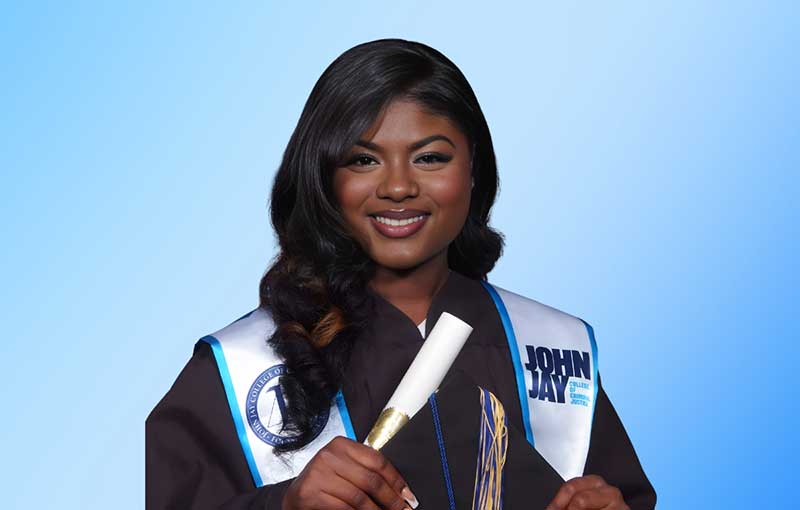
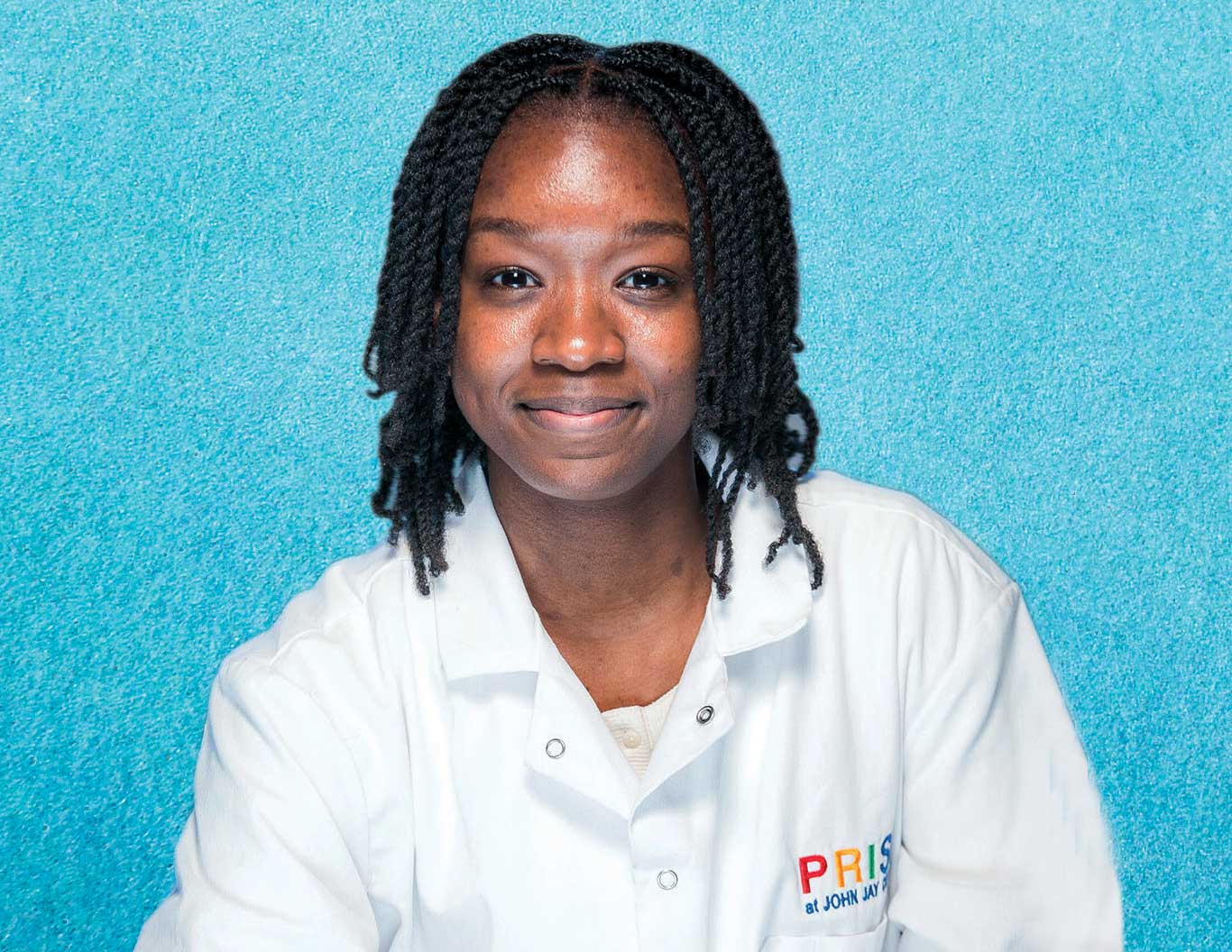
Portrait of Tyra Volney in a lab coat against a light blue background

Tyra Volney ’23: Hands-On Research Points to MA & Scholarship

Major/Degree: Bachelor of Science in Forensic Science
Concentration: Criminalistics
Programs: PRISM, CUNY Justice Academy, Math and Science Resource Center (MSRC)
Hometown: Castries, Saint Lucia
Career aspiration: FBI Forensic Examiner

“My dream is to work for the FBI in a position where I can solve crimes and conduct research that furthers the agency’s investigative goals and initiatives. I hope to build on the experiences I gained at John Jay while earning my master’s degree in forensic science. I’d love to publish research papers and work with forensic scientists across the globe.”

What was life like before John Jay?
I was born in New York but raised in Saint Lucia. After I finished my secondary education, I knew I wanted to go to college. I also knew that meant additional costs for my parents. Luckily, my family encouraged me to go after my dreams. I took a leap of faith, moved to New York, and lived with a family friend. I began my college journey at Queensborough Community College before transferring to John Jay through the CUNY Justice Academy.

Why John Jay?
One of my favorite genres to read growing up was crime fiction—I always found that world fascinating. As I did my research on colleges, John Jay and the forensic science program stood out. Before I applied, I met a John Jay alum, and they had nothing but great things to say about the College. That gave me the green light to go for what I wanted. Being at John Jay has felt like a dream come true.

How has PRISM made your John Jay experience fulfilling?
PRISM has given me the opportunity to get real hands-on research experience, make friends, and discover my passion. From the moment I transferred to John Jay, Dr. E. (Edgardo Sanabria-Valentín) has been there, suggesting scholarship programs, research projects, and learning opportunities. He continually encouraged me to apply for internships, fellowships, and jobs. It’s because of PRISM that I had the chance to participate in the McNair Scholars Research Program at Clarkson University last summer, where I examined saw-mark evidence on bones. Because of John Jay and the PRISM program, I got accepted into three forensic science graduate programs at Sam Houston State University, Syracuse University, and Virginia Commonwealth University.

Were there any fellowships, internships, or research opportunities that helped shape your career aspirations?
Research has played such an important role during my time at John Jay. It’s affirmed for me that I’m on the right path. During my time at the College, I’ve had a research paper published and had the opportunity to present at the American Academy of Forensic Sciences—which was unbelievable.

For the last two years, I’ve conducted research on pesticides with my mentor, Dr. Shu-Yuan (Demi) Cheng. We specifically focused on the pesticide propazine and the effects it has on human cells. Dr. Cheng encourages flexibility, ambition, outside-the-box thinking, and independence in the lab. She’s made me feel more comfortable in the research environment. As a future forensic scientist, being able to think about the different possibilities is vital and can be a game-changer in any investigation.

What advice do you have for incoming John Jay students?
Do not let fear stop you from saying “yes” to an opportunity. Before I came to John Jay, I was shy and would avoid participating in anything, but John Jay and PRISM changed all that for me. The opportunities presented to students at the College can lead them to accomplish amazing things and reach their goals. This fall, I begin a master’s degree in forensic science program at Sam Houston State University, with a financial aid package worth $14,000 a year. Because of John Jay and the CUNY Justice Academy, I’m on the path to making my dreams a reality. One day, I know I’ll become an FBI forensic examiner.

Tyra Volney
Tyra Volney ’23: Hands-On Research Points to MA & Scholarship
Read more
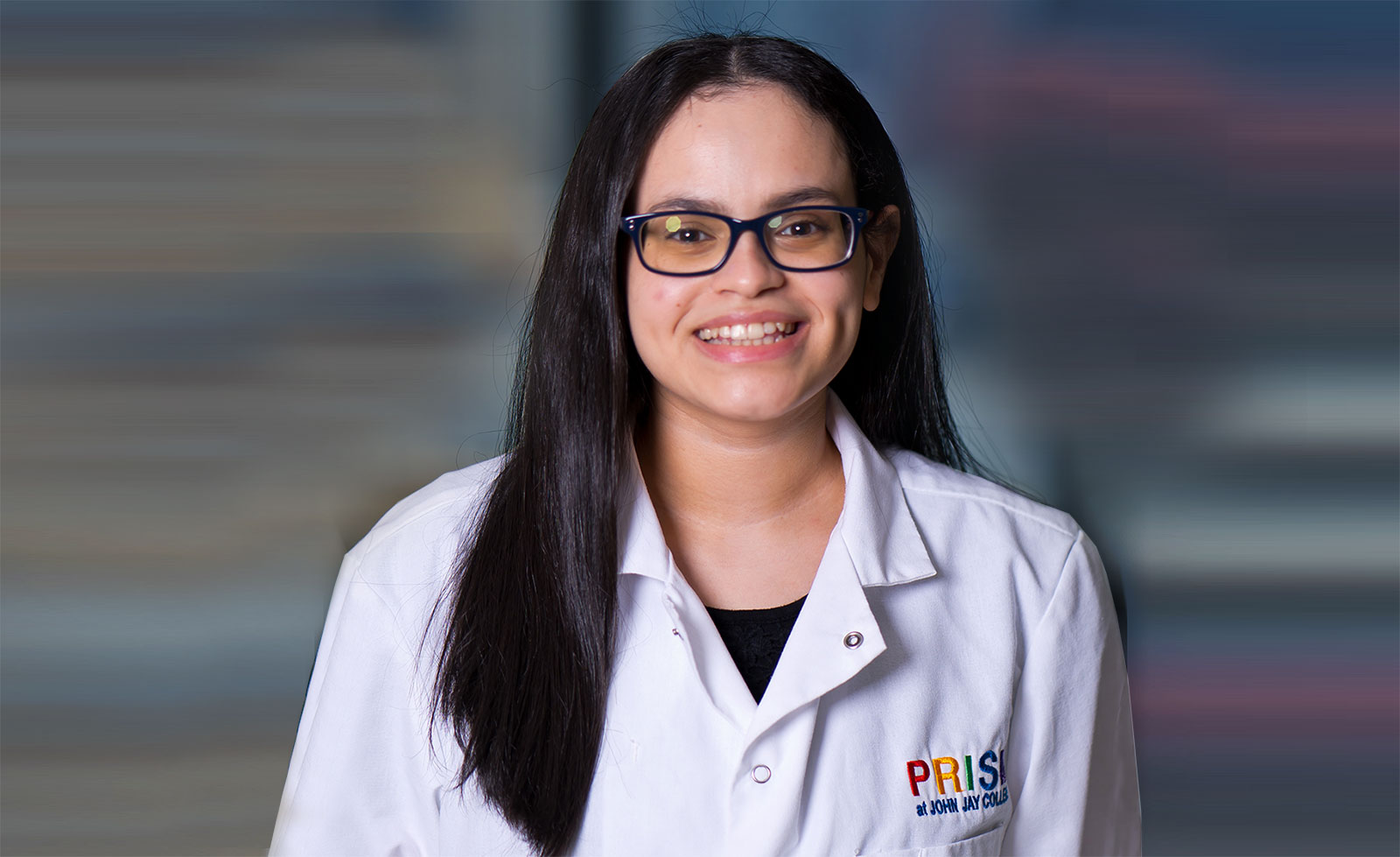
Kimberly Nuñez
Image
Portrait of Kimberly Nuñez in a lab coat

Real-World Research, Three Internships Steer Kimberly Nuñez ’23 to Biology MA
Degree: Bachelor of Science in Cell and Molecular Biology
Minor: Chemistry and Environmental Justice
Cohort: PRISM, Macaulay Honors
On-Campus Role: Tutor at Math and Science Resource Center
Hometown: Brooklyn, NY
Career aspiration: Marine Biologist and Environment Policy Advisor

“I always dreamt of working as a marine biologist and helping shape environmental justice policies,” says Kimberly Nuñez ’23, a PRISM and Macaulay Honors senior who is earning a bachelor’s degree in cell and molecular biology. “It’s why I came to John Jay and joined PRISM, because I knew it would put me on the path to career success. This fall, I get one step closer to realizing my dream as I enter the marine biology master’s program at University College Cork, Ireland.

How did PRISM help prepare you for graduate school?
It’s made me more confident in my research abilities and helped me realize I belong in science. PRISM was the first time I came up with my own project ideas and drove my own research forward with the guidance of my mentor, Dr. Anthony Carpi. The program opened up a world of opportunities for me—including an internship at the Woods Hole Oceanographic Institution, one of the country’s best marine science research facilities—and ultimately led to my decision to go to grad school.

How did Dr. Carpi’s mentorship help shape your goals?
Dr. Carpi is an amazing mentor who goes out of his way to reach out and help his students succeed at John Jay and beyond. For my research on the effect of water on the transport of mercury in soil, he connected me with scientists who could help me bring my research to its highest potential, he ensured I was on track to meeting my goals, and continually encouraged me to pursue a post-graduate degree. Having him as a mentor demonstrated to me the type of mentor I want to be: forward-thinking, supportive, kind, and persistent.

Image
Kimberly Nuñez sitting on a chair with Dr. Anthony Carpi standing next to her in a science lab
Nuñez with her mentor Dr. Anthony Carpi


Tell us about your internship at the Woods Hole Oceanographic Institution. 
It was a three-month internship last summer, where I worked with my mentor, Kristin Meyer-Kaiser, researching how communities on the sea floor in the Arctic are changing. Part of my role was image analysis, where I identified different species, counted their numbers, and gathered data. It was such an eye-opening experience because I was able to see all the good that can be done in the world with a science degree.

What made you decide to pursue a master’s degree at University College Cork?
I’ve always wanted to study abroad and learned that University College Cork had a top-notch marine biology master’s program. Since I’m coming from John Jay, where my background is in cell and molecular biology and environmental justice, I wanted to make sure I enrolled in a master’s program that would provide me with a broader view of the marine biology field. I’m excited to learn about marine mammals and marine organisms, conduct research, be in the marine environment, and work on a boat.

Ten years from now, where do you see yourself?
I hope to be an established marine biologist, researcher, and advocate. I would love to help advance policies aimed at conserving our oceans and planet. The goal is to have worked on meaningful research and, using that research, inform and educate elected officials so that they can create environmental policies that improve the health of our world.

What will be going through your mind when you cross the stage at Commencement?
My mom and my sister. They’ve been my biggest supporters, so I’m dedicating this accomplishment to them. My mom raised us as a single mother while working full-time and going to school full-time to earn her degree. Throughout my life, I’ve seen my mom’s ambition and drive to succeed daily. She inspired me to never give up on my dreams.


Kimberly Nuñez
Real-World Research, Three Internships Steer Kimberly Nuñez ’23 to Biology MA
Read more
Shanelle Shillingford '16
Image
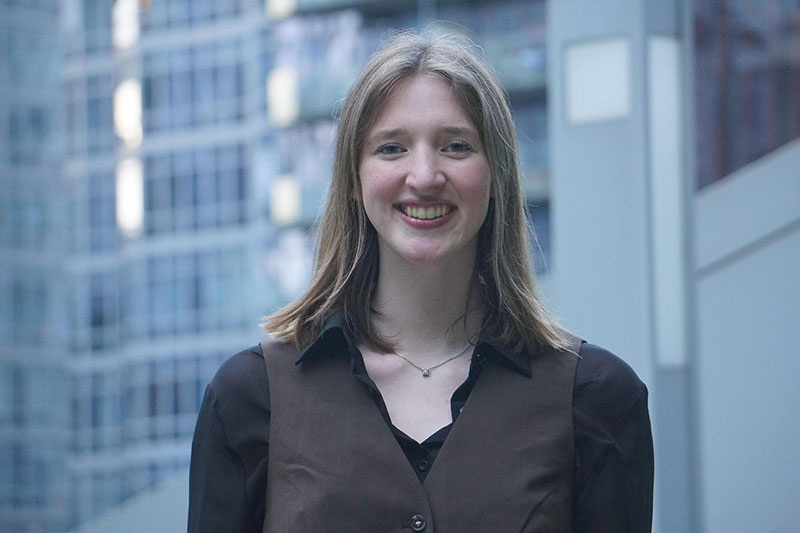
Portrait of Shanelle Shillingford '16 with a gray background

Dr. Shanelle Shillingford ’16: Yale Ph.D. & Analytical Chemist

Degree: Bachelor of Science in Forensic Science
Hometown: Dominica; Queens, New York
Cohort: PRISM

“At John Jay, I grew as a scientist, built up my resume, and learned that with hard work, laser-focused determination, and a bit of patience, I could accomplish amazing things. I went on to graduate with a Ph.D. from Yale University, and today I’m working for the global healthcare company Merck where I help bring innovative animal health products to market. John Jay changed my life. It was the launching pad for making my career dreams come true.”

What was life like growing up?
I was born and raised in Dominica. My dad moved to the U.S. when I was young, and my mom and I soon followed when I was 15. From the age of seven, I knew I wanted to be a scientist. I loved learning—especially math and science—and excelled in school. I also watched a lot of crime shows and loved seeing people in the lab working to find answers to questions.

Why John Jay?
Back home in Dominica, the highest degree I could earn was an associate degree. Since I was determined to be a scientist, I knew I couldn’t stay there. When I moved to New York, I enrolled in high school and immediately began looking at colleges that could put me on that path to becoming a scientist. Because I came from a low-income household, I didn’t have many options. Luckily, my dad suggested I look at John Jay. Not only did the College have a prestigious forensic science program, it was also commuter friendly and incredibly affordable. All those factors made John Jay the perfect place for me.

How did PRISM enhance your college experience?
PRISM was instrumental to my success and getting into Yale University’s Ph.D. chemistry program. The research I conducted in PRISM made me a scientist. It made me more comfortable in a lab setting, fostered critical thinking skills, and offered transformative learning opportunities.

The PRISM faculty were essential to my education. From the moment I entered the program, Dr. Edgardo Sanabria-Valentín kept me informed on all the scholarship, research, and internship opportunities available. He also motivated me to apply to grad school and made sure I met every application deadline. My research mentor, Dr. Gloria Proni, saw my potential and took me under her wing. She encouraged me to think beyond my limits and prepared me for grad school. She was one of my biggest champions, advocating for me, building my confidence, and writing letters of recommendation. Because of the encouragement from Dr. Ed and Dr. Proni, I interned at the Scripps Research Institute and got into Yale.

How did the Scripps Research internship shape your career?
It was an amazing hands-on experience that gave me a glimpse into my future in research. I worked in an organic chemistry lab under well-known and respected chemist Dr. Donna Blackmond. In the lab, I performed experiments with graduate students trying to demonstrate the use of “green chemistry” in organic transformations. The internship affirmed I had a real passion for research, especially in a lab setting, and that I was on the right path.

What was your experience like at Yale?
Honestly, the first year was tough. I definitely had imposter syndrome. At times, I was the only Black student in the classroom and felt like I didn’t belong. But Yale’s Office for Graduate Student Development and Diversity was very supportive. With the help of the office, I felt grounded and centered. While the research work remained challenging, I knew I could succeed.

What do you work on at Merck?
I work on drug product development for animals, primarily for veterinarians to use when treating animals for diseases, so things like medications and topical creams. As an analytical chemist—my technical title is senior scientist—I work with a large team of formulators. My primary role is to conduct tests and ensure that the product is stable and contains all the correct attributes so that it can attain approval from the U.S. Food and Drug Administration’s Center for Veterinary Medicine and be brought to market. Every day, we’re conducting innovative research that advances science and improves the lives of animals. 

What advice do you have for John Jay students hoping to follow in your footsteps?
You can accomplish any goal but understand that it will require work, patience, and flexibility. If you’re going to grad school, know that you may have to pivot, and that’s okay. Be open to change and adjust.

Dr. Shanelle Shillingford ’16
Dr. Shanelle Shillingford ’16: Yale Ph.D. & Analytical Chemist
Read more
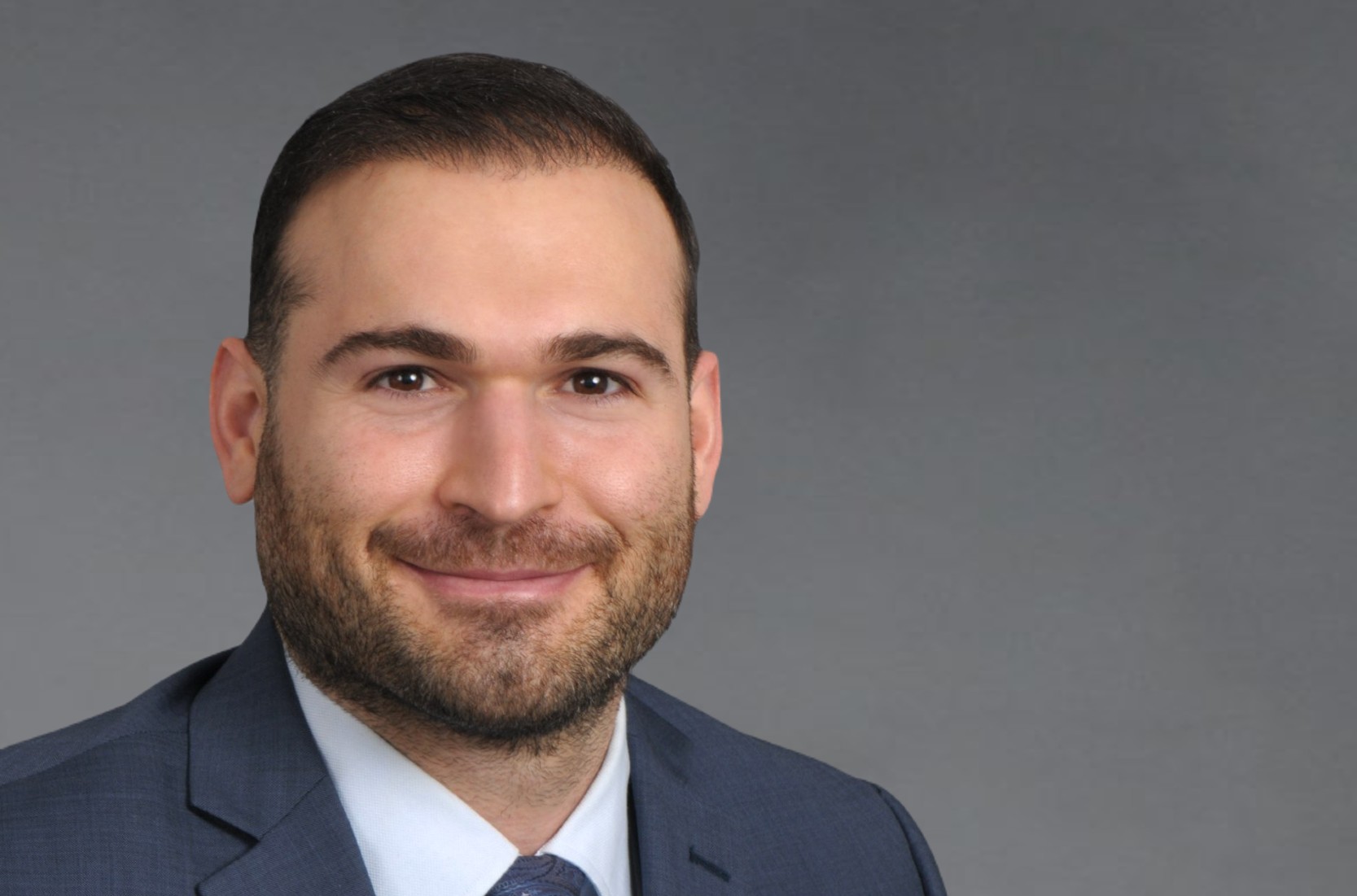
Dr. Samuel Reinfeld '15
Image
Headshot of Dr. Samuel Reinfeld '15

Dr. Samuel Reinfeld ’15 Is a Fierce Advocate for Mental Health Care
Hometown: Brooklyn, NY
Degree: B.S. in Forensic Science
Program: Honors, PRISM
Mentor: Dr. Artem V. Domashevskiy, Dr. Nathan Lents, Dr. Edgardo Sanabria-Valentín
Medical School: New York Institute of Technology College of Osteopathic Medicine
Residency in Psychiatry: Stony Brook University Hospital

What was life like before John Jay?
Growing up, I went to Yeshiva schools where there wasn’t much in the way of diversity. While in high school, I came across John Jay professors who were experts in their field. They talked about their work analyzing forensic evidence, trying to comprehend the minds of system-impacted individuals, and the intricacies of working as a medical examiner. Hearing about their research piqued my interest in forensic pathology and led me to John Jay.

Were there any specific people at John Jay who helped put you on the path to success?
I had great mentors in Dr. Artem V. Domashevskiy, Dr. Nathan Lents, and Dr. Edgardo Sanabria-Valentín, who all played pivotal roles during my time at the College. It was evident that they all cared about their students’ futures. I worked with my mentor, Dr. Domashevskiy, on his pokeweed antiviral protein research. Through my work with him, I gained valuable real-world research experience, critical thinking skills, and confidence in my abilities as a scientist.

Dr. Lents was a fantastic educator. The way he explained biology was fun and clear. As a student, you could see his passion for the subject, which was contagious. Being in the classroom with a professor like that motivated me to study science. Since graduating from John Jay, I have published several clinical psychology papers. My thought process for producing these papers stems from being in the classroom with Dr. Domashevskiy and Dr. Lents.

During my junior year, Dr. Ed really paved the pre-med route for me. He saw my potential and was such an incredible support systemhelping me put my application for med school together, and supporting me through my MCATs. It’s because of his encouragement that I am where I am today.

What John Jay programs and experiences helped shape your career?
Coming to John Jay was like a breath of fresh air. The community was diverse and welcoming; everyone had their unique story. When I became a math and science tutor in the SEEK program, I learned about the College’s rich diversity on a personal level. Working one-on-one with students from different backgrounds was eye-opening. It made me more aware and sensitive to the experiences of others, which helps me today as a psychiatrist. I incorporate my patient’s cultural background into my assessment before diagnosis because what may be abnormal in one culture may be completely normal in another. Seeing and understanding the cultural framework of a patient’s upbringing helps me better diagnose and treat them.

What is your mission at PsychiaTreat?
I’m the co-founder, chief medical officer, and psychiatrist at PsychiaTreat. We opened the practice in July 2023, the Monday after I graduated from the residency program at Stony Brook University Hospital, with the goal of creating a comprehensive mental health organization that offers greater accessibility to mental health services for any person who is struggling.

The current state of mental health care services is challenging and inaccessible for many people. It’s tough for patients to get therapy appointments. There are long waiting lists, limited resources, and unaffordable prices and copays that insurance won’t cover. In many cases, a psychiatrist’s hands are tied because there are so many hoops to jump through. At PsychiaTreat, the goal is to improve accessibility by increasing the number of patients we treat, both in person and via telehealth, while also staying at the forefront of cutting-edge treatment options. My dream is to be able to give everyone access to mental health support because we all deserve to feel our best.

Dr. Samuel Reinfeld ’15
Dr. Samuel Reinfeld ’15: Fierce Advocate for Mental Health Care
Read more