Program for Research Initiatives in Science & Math
Resources for Current PRISM Students
Our Impact
Our goal is to help our students see themselves as scientists and future professionals and to
expose them to opportunities for further training and growth. The National Science Foundation,
the National Academy of Sciences and CUNY all recognized PRISM as a model of excellence for
improving the number of students from underrepresented communities in the STEM pipeline.
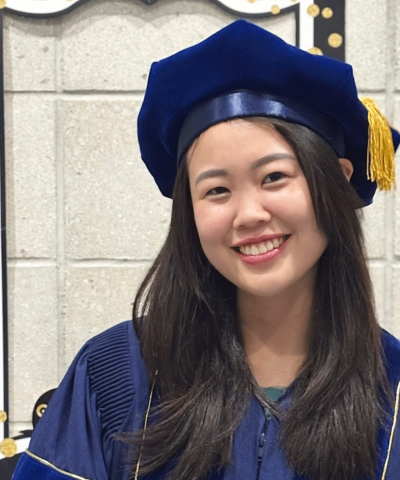
Hannah Chu ’19 Earns Ph.D. in Entomology & Joins John Jay Faculty
Major: B.S. Forensic Science
Graduate Degree: Ph.D. Entomology from the University of California, Riverside ’25
Current Job: Doctoral Lecturer, Forensic Science, John Jay College
Program: Honors Program, Program for Research Initiatives in Science (PRISM), Peer Tutor Math and Science Resource Center & Academic Advisement Center
Internships: Summer Research Intern, Cornell University; Summer Research Intern, University of Florida
Mentors: Edgardo Sanabria-Valentín, Ph.D., PRISM Associate Director/Adjunct Assistant Professor; Gabriella Sanguineti, Ph.D., PRISM Research & Outreach Coordinator/Adjunct Chemistry Professor; Jennifer Rosati, Ph.D., Assistant Forensic Science Professor
Hometown: Brooklyn, NY
Career Aspiration: Science Educator
What was life like growing up before John Jay College?
I grew up in Brooklyn, New York, in a Chinese-American family. I’m not a first-generation college student because many family members went to college, but I am the first in my family to receive a graduate degree. I was a good student in high school, but oddly enough, I was really bad at science. I almost failed a science class in high school, but that didn’t stop me from pursuing science at John Jay. I’m the type of person who likes a challenge. If someone thinks I can’t do something, I’m going to dig in and prove them wrong.
What made you want to attend John Jay College?
At first, I wanted to become a criminal defense lawyer, and I thought John Jay would be a good school for a legal career. Then I did an internship at a law office and I realized it wasn’t the best career option for me. The people were great, but the subject matter didn’t fit my personality. I wasn’t as passionate about the law as they were. After that internship, I decided to major in forensic science because the science behind testimonies was interesting to me. I was also really interested in the opportunity to do research projects through PRISM.
What sparked your passion for science and entomology?
At John Jay, I took an introductory course where we learned basic lab skills, like pipetting. Then we had to choose a lab. I reached out to Dr. Jennifer Rosati, who worked on entomology. My initial thought was, Nope, I don’t like bugs, but the truth was, I didn’t really know how diverse bugs are. All I knew about were the bugs that everyone encounters, like mosquitoes and cockroaches.
My first project was on the biodiversity of blowflies in Central Park. I had to identify the bugs under a scope, and I found it extremely calming. I enjoyed looking at the different types of flies we were collecting and figuring out exactly what they were. Within this one fly family, there were so many different types of flies. Then the forensic and practical application of those files drew me into the work.
How did your internships advance your education?
At Cornell, I worked on research studying a caterpillar, the looper, that was a pest on cabbage crops. The looper is this tiny caterpillar that I thought was really cute. It was fascinating learning about these insects and how GMOS could help protect crops. That summer, I realized I liked being around insects. The internship really opened my eyes to how diverse insect research is. Chemists, biologists, and physicists come together calling themselves entomologists because they apply all of these different disciplines to the science of insects.
The following summer, I continued my ever-growing love of insect research at the University of Florida. There, I wanted to work on something that involved climate change and insect development or metamorphosis. For 10 weeks, I studied a pest fly that’s focused onto one specific type of fruit. I researched the seasonal differences when the flies emerged. It was fascinating looking at the circadian rhythm of insects.
How did your John Jay mentors put you on the path to success?
I owe my entire career to Dr. Ed (Edgardo Sanabria-Valentín, Ph.D.) and Dr. G. (GabriellaSanguineti, Ph.D.). My family didn’t really know much about the grad school application process. When I joined PRISM, Dr. Ed. and Dr. G. opened that door for me by introducing me to research opportunities and different science careers. They helped me learn how to write scientific papers and showed me how to get funding for research. They were the ones who told me about the summer internships and read over my applications. When it came time to apply to grad school, Dr. Ed. and Dr. G. wrote my recommendations, reviewed my statements, and helped me through the entire process. They even set me up in different workshops where I could learn things like interviewing skills and email etiquette. I can’t express how transformative their guidance was in my life.
What was the focus of your dissertation?
The first part of my research focused on blowflies in Southern California and the four very different environments in the area—the mountains, beaches, deserts, and woods. I wanted to look at the impact the environment had on the blowflies. Also, I needed to study the differences between native vs. non-native blowflies. We found very distinct genetic differences between the two, with the non-native blowflies being introduced to the area, possibly through trade or travel from Mexico, in the 1980s. We saw the environmental impact on the native flies in their genetics. Whereas, the non-native flies all kind of looked the same genetically. It was hypothesized that because the non-native flies are from a tropical area, they could die out when the temperature is really cold. So, I tested the thermal range to see if the files could function. Between the two species, I found that the non-native species had a very narrow range of survival. At extreme low and extreme high temperatures, they died before the native flies. It was really exciting to see a hypothesis that was correct.
What’s next in your career?
Currently, I’m a doctoral lecturer in the science department at John Jay. I’m teaching foundational biology—the 101, 102, 103, 104 series. I used to dream about becoming a biology educator and mentor. Now, I’m doing it. I love that I can show students how important science is through biology. I’m really excited to engage with students and help them care about science and see the practical applications of it.
What advice do you have for students hoping to follow in your footsteps?
Trust yourself and follow your dreams. Don’t do things for other people or their expectations. You might feel pressure from your parents, friends, or society to go down a certain path. Don’t fall into that trap, thinking you have to fit into a certain mold. When you find something you’re passionate about, trust that gut instinct. Things are going to work out. There was a point during grad school when I didn’t think I was going to make it. I had to remind myself that it was going to be fine, and it was.
Please finish this sentence: Because of John Jay…
I discovered who I am meant to be as a person. Throughout my time at John Jay, I learned the importance of community. Coming back to the College as a faculty member, I’ve made it my goal to be that person, that community member, who uplifts students.
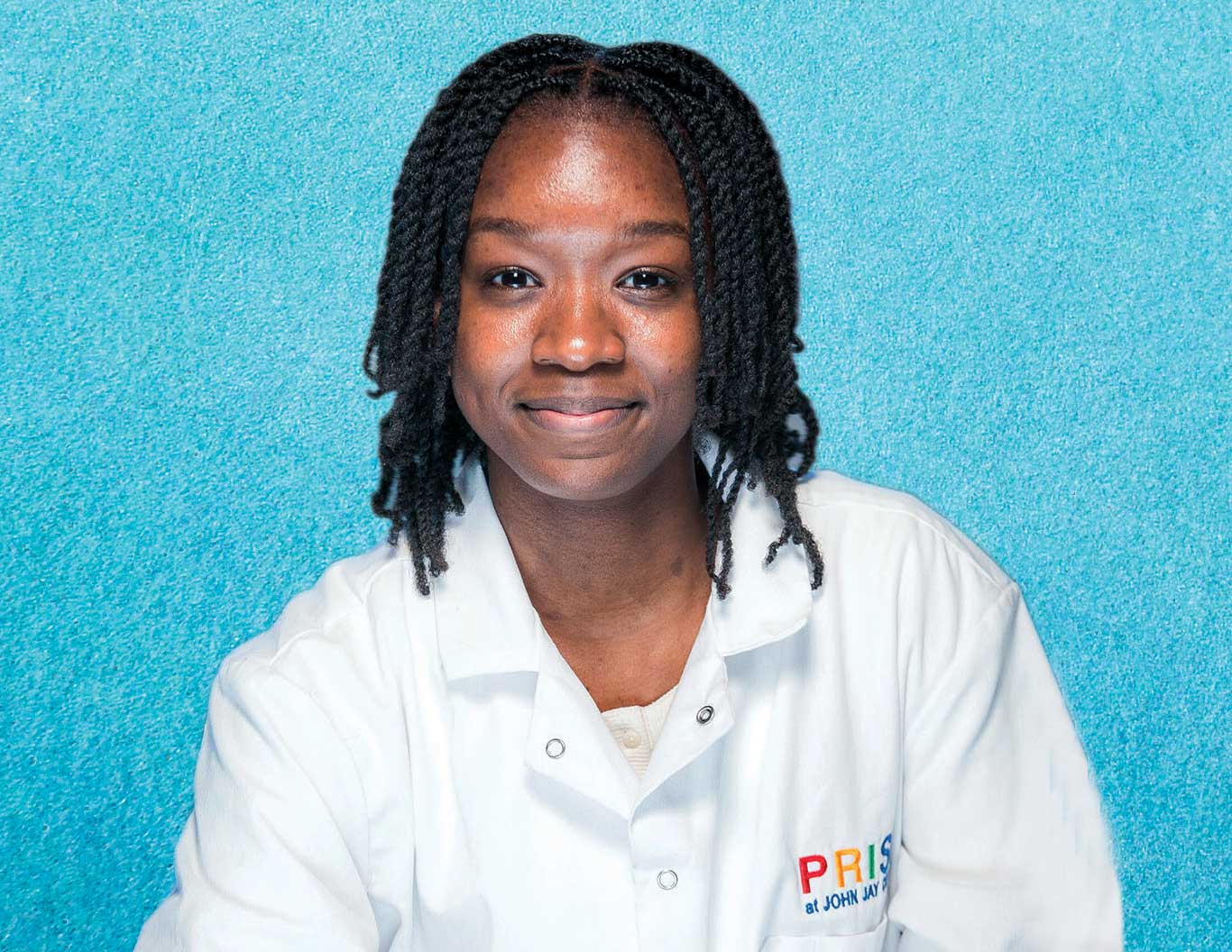
Juana Casey ’27 + Tech Fellowship = Cybersecurity Career
Major: B.S. in Computer Science & Information Security
Mentors: Alana Philip, Derek Casarrubias; Christopher Church
Programs: PRISM, Honors, Women in Cybersecurity, CUNY Computer Science Collective, Black Honors Student Committee
Internships/Fellowships: Black Girls Code, NYPD
Hometown: Dominica; Bronx, New York
Career Aspiration: User Interface Designer; Digital Forensic Analyst
What was life like before John Jay?
I was born and raised in Dominica and grew up proudly celebrating my Kalinago (indigenous people of Dominica) side. My mom was a single mother raising me and my sister. She was also the teacher in our town, so everyone knew us. My favorite memories from Dominica are being surrounded by friends and family and hanging out down by the river. We would gather there and just celebrate life.
When I was four years old, we came to live in the Bronx and moved in with my grandmother, uncle, and aunt. We all lived in a small, cramped apartment, but it was a home filled with love, family, and a determination to succeed. Education was always a top priority. Since mom couldn’t transfer her teaching degree and license, she had to start over. She went to a CUNY community college before moving on to a senior college for her bachelor’s and master’s degrees in education. My aunt, who lived with us, is also a product of a CUNY education, earning both her bachelor’s degree and doctorate from CUNY schools. Seeing how CUNY made it possible for my mom and aunt to get an education—and go on to become a teacher and doctor—made me want to attend a CUNY college. I saw with my own eyes how the support you get as a CUNY student enables you to achieve your dreams. We wouldn’t be where we are without our CUNY education.
Why John Jay?
I initially wanted to work in law enforcement, so John Jay was always on my radar. One of the things I loved most about the College was its diversity—not only racial, religious, and ethnic diversity but also in what it offered its students in terms of its justice-focused education. When selecting a college, I wanted to pick one where the college community was inclusive and supportive. I wanted a place where different cultures and backgrounds are celebrated. And, I wanted to be at an institution where I could learn about the common good, how to be of service to your community, and how to uplift others, no matter what career path you take. I immediately felt all those things at John Jay.
How has the Honors Program contributed to your John Jay journey?
Being in Honors has pushed me out of my comfort zone and made me more confident. Like many new college students, I initially suffered from imposter syndrome and was really struggling to come out of my shell. But with help from my Honors mentor, Ms. Alana Philip, I feel empowered to speak up, ask questions, share what I’m thinking or going through, and connect with others. It was actually Ms. Philip who saw my potential in tech before I did. She knew I loved creating—dabbling in design, animation, and videography from time to time—and suggested I keep an open mind when pursuing internship and fellowship opportunities. She said I reminded her of John Jay Honors alumna Aaliyah John ’22, who turned her internship in tech into a wonderful career. That boost in confidence has been really encouraging.
What sparked your passion for computer science, coding, and tech?
From a young age, I was fascinated by computers. I remember one time my computer broke down because my software was taking up too much memory. I was so upset because I needed to finish my homework. So, I looked up YouTube videos on my phone, trying to find a way to get the computer up and running again. After hours of watching videos and testing things out, I fixed my computer. It was such a fun experience. I realized how much I enjoyed the process of working to figure out the system. I also have an uncle who works in cybersecurity for the NYPD, and he introduced me to criminal justice and computer forensics. I was intrigued by the idea that technology can help people get justice.
Why did you apply to the fellowship with Black Girls Code and what has your experience been like?
I love learning, and coding is like learning a new language. To envision something in your head and see that vision come to life on a screen because of a code you created is such an amazing feeling. I had followed Black Girls Code for a while and loved their work and mission. I took one of their courses in coding and building a website for social innovation, and it was such a great experience. It got me excited to explore the world of coding further. When I learned Black Girls Code was doing a fellowship in association with CodePath, a nonprofit that offers tech courses and career support to underserved student populations, I knew I had to apply.
With Black Girls Code, I’m learning HTML and CSS and how each coding language has a different purpose. I’m also gaining resume-building skills—a technical resume is so different from a typical resume—and learning more about user interface design. That’s actually what I’m focusing on right now, building projects, such as the “screens” a user sees. I’m also starting to work on my portfolio online, building my own website, showcasing the projects I’ve worked on, learning how to answer code-related questions, and gaining an understanding of the industry.
How have John Jay’s cybersecurity groups helped shape your career plans?
CUNY and John Jay do an excellent job of creating inclusive spaces where students of all backgrounds can find community and thrive. Being part of Women in Cybersecurity (WiCyS) at John Jay and the CUNY Computer Science Collective, I have found a community of incredible people who are willing to share their knowledge, encourage you to pursue opportunities and push you to keep going even when something doesn’t work out. With WiCyS in particular, I’m surrounded by inspiring John Jay students and alumnae, like WiCyS president Anisa Rose Montalvo ’24, ’26, who have helped me build my skills and shown me how to turn passion into a career.
STEM fields, especially computer science, cybersecurity, and coding, don’t have a lot of women or people of color working in them. I want to contribute to diversifying the field and paving the way for others. With the motivation I get while in these groups and at John Jay, CUNY, and Black Girls Code, I know my dreams of working in the tech world will become a reality.
What advice do you have for your fellow John Jay peers?
No matter how challenging things get, please never give up on accomplishing your goals. I was recently diagnosed with PNES (psychogenic nonepileptic seizures)—basically, I get full-body epileptic seizures whenever I’m in a heightened mood (experiencing high levels of anxiety or depression). At times, I’ve wanted to drop out of school because I felt it was too much—the work and the seizures—and that I couldn’t do it. But I realized that with patience and a belief in myself, I can overcome anything that comes my way. So, I want my peers to feel motivated and to never give up.
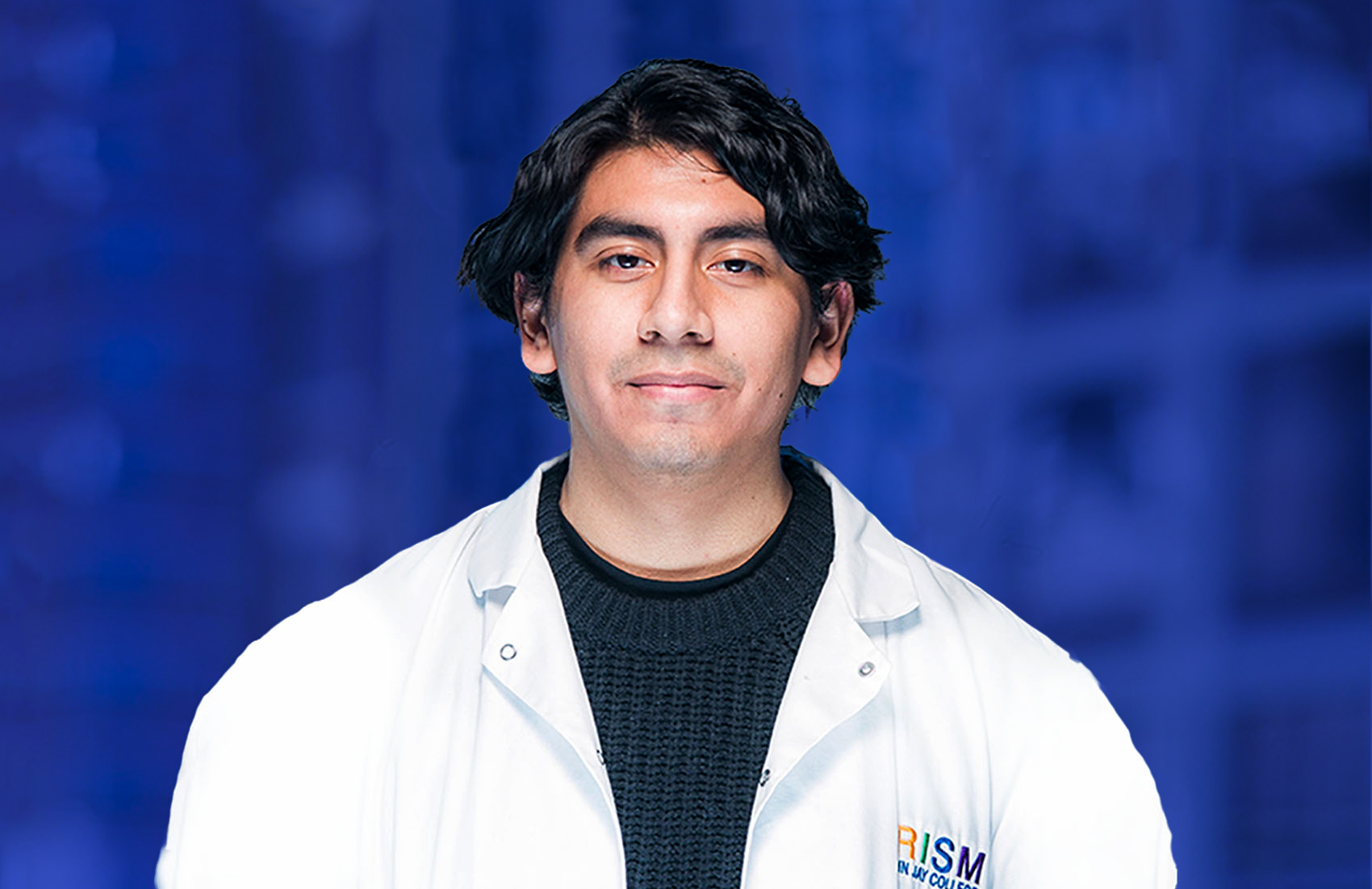
Daniel Aguilar ’23 Secures Mount Sinai Research Job
Degree: Bachelor of Science in Toxicology
Program: PRISM
Hometown: Brooklyn, New York
Career aspiration: Toxicologist
“My goal is to be a toxicologist whose work helps create change—promoting equity, shaping policy, and increasing awareness on the harmful effects of drugs and chemicals. After interning at a research lab at Mount Sinai Hospital, I was excited to be offered a full-time position at Mount Sinai where I’ll continue to conduct research that advances environmental medicine and public health.”
Why John Jay?
I’ve always enjoyed the sciences, and, like many of my peers, I was a fan of shows like CSI. Because of that, I was drawn to John Jay and its STEM programming. Once I was at the College, I joined PRISM, and through the research projects I conducted, I grew to really like toxicology and decided to major in the field.
How did PRISM make your John Jay experience fulfilling?
Being in PRISM opened my eyes to what was possible with research. PRISM not only reinforced what I was learning in the classroom, it also put me in spaces where I could meet new people, work closely with professors, conduct exciting research, present my work, and find supportive mentors like Dr. Edgardo Sanabria-Valentín and Dr. Marta Concheiro-Guisan. While at John Jay, Dr. Ed and Dr. Concheiro-Guisan guided me, shared their expertise, and encouraged me to strive for more.
How did your internships affirm your career aspirations?
Before interning at Mount Sinai, I interned as a Tri-Institutional Minority Society Summer Scholars Research Program Scholar at the Weill Cornell Graduate School of Medical Sciences and at Alliance Laboratories, a clinical toxicology lab. All these internships gave me valuable hands-on experience in the sciences. I was able to conduct biomedical research, do forensic work, and see science’s impact on society.
How did your research with Dr. Marta Concheiro-Guisan enhance your education?
Getting to research with Dr. Concheiro-Guisan has been a top-quality experience. As a first-generation college student, being mentored by someone who has worked in a government agency, earned her Ph.D., has a pharmaceutical degree, and is also supportive of her students has been very motivating.
We studied synthetic enzymes and the breakdown of opioids in urine to improve testing detection. Our hope is that a better screening test could enable doctors to more effectively monitor a patient’s use of opioids. Given the current opioid crisis, I was excited to present this project at the Collegiate Science and Technology Entry Program Regional competition and thrilled when I won first prize.
In 10 years, where do you see yourself?
After earning my Ph.D., I’d like to be working in toxicology at a public health institution, medical school, or pharmaceutical company. I also want to be a mentor and resource to future STEM students. Helping people—especially students of color—is really important to me.
Finish this sentence: Because of John Jay…
I can proudly and confidently call myself a scientist. I didn’t feel comfortable saying that a few years ago, but after the research experience I’ve gained at John Jay, there’s no doubt that I am a scientist.
Tyra Volney ’23: Hands-On Research Points to MA & Scholarship
Major/Degree: Bachelor of Science in Forensic Science
Concentration: Criminalistics
Programs: PRISM, CUNY Justice Academy, Math and Science Resource Center (MSRC)
Hometown: Castries, Saint Lucia
Career aspiration: FBI Forensic Examiner
“My dream is to work for the FBI in a position where I can solve crimes and conduct research that furthers the agency’s investigative goals and initiatives. I hope to build on the experiences I gained at John Jay while earning my master’s degree in forensic science. I’d love to publish research papers and work with forensic scientists across the globe.”
What was life like before John Jay?
I was born in New York but raised in Saint Lucia. After I finished my secondary education, I knew I wanted to go to college. I also knew that meant additional costs for my parents. Luckily, my family encouraged me to go after my dreams. I took a leap of faith, moved to New York, and lived with a family friend. I began my college journey at Queensborough Community College before transferring to John Jay through the CUNY Justice Academy.
Why John Jay?
One of my favorite genres to read growing up was crime fiction—I always found that world fascinating. As I did my research on colleges, John Jay and the forensic science program stood out. Before I applied, I met a John Jay alum, and they had nothing but great things to say about the College. That gave me the green light to go for what I wanted. Being at John Jay has felt like a dream come true.
How has PRISM made your John Jay experience fulfilling?
PRISM has given me the opportunity to get real hands-on research experience, make friends, and discover my passion. From the moment I transferred to John Jay, Dr. E. (Edgardo Sanabria-Valentín) has been there, suggesting scholarship programs, research projects, and learning opportunities. He continually encouraged me to apply for internships, fellowships, and jobs. It’s because of PRISM that I had the chance to participate in the McNair Scholars Research Program at Clarkson University last summer, where I examined saw-mark evidence on bones. Because of John Jay and the PRISM program, I got accepted into three forensic science graduate programs at Sam Houston State University, Syracuse University, and Virginia Commonwealth University.
Were there any fellowships, internships, or research opportunities that helped shape your career aspirations?
Research has played such an important role during my time at John Jay. It’s affirmed for me that I’m on the right path. During my time at the College, I’ve had a research paper published and had the opportunity to present at the American Academy of Forensic Sciences—which was unbelievable.
For the last two years, I’ve conducted research on pesticides with my mentor, Dr. Shu-Yuan (Demi) Cheng. We specifically focused on the pesticide propazine and the effects it has on human cells. Dr. Cheng encourages flexibility, ambition, outside-the-box thinking, and independence in the lab. She’s made me feel more comfortable in the research environment. As a future forensic scientist, being able to think about the different possibilities is vital and can be a game-changer in any investigation.
What advice do you have for incoming John Jay students?
Do not let fear stop you from saying “yes” to an opportunity. Before I came to John Jay, I was shy and would avoid participating in anything, but John Jay and PRISM changed all that for me. The opportunities presented to students at the College can lead them to accomplish amazing things and reach their goals. This fall, I begin a master’s degree in forensic science program at Sam Houston State University, with a financial aid package worth $14,000 a year. Because of John Jay and the CUNY Justice Academy, I’m on the path to making my dreams a reality. One day, I know I’ll become an FBI forensic examiner.
Real-World Research, Three Internships Steer Kimberly Nuñez ’23 to Biology MA
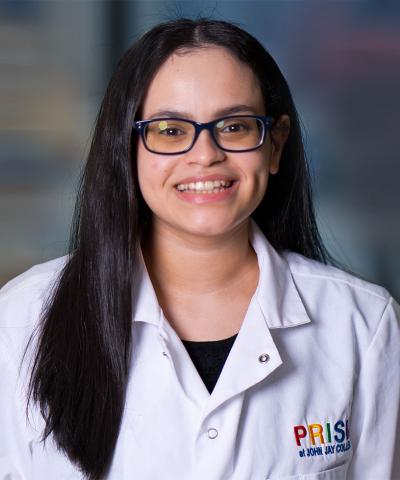
Degree: Bachelor of Science in Cell and Molecular Biology
Minor: Chemistry and Environmental Justice
Cohort: PRISM, Macaulay Honors
On-Campus Role: Tutor at Math and Science Resource Center
Hometown: Brooklyn, NY
Career aspiration: Marine Biologist and Environment Policy Advisor
“I always dreamt of working as a marine biologist and helping shape environmental justice policies,” says Kimberly Nuñez ’23, a PRISM and Macaulay Honors senior who is earning a bachelor’s degree in cell and molecular biology. “It’s why I came to John Jay and joined PRISM, because I knew it would put me on the path to career success. This fall, I get one step closer to realizing my dream as I enter the marine biology master’s program at University College Cork, Ireland.”
How did PRISM help prepare you for graduate school?
It’s made me more confident in my research abilities and helped me realize I belong in science. PRISM was the first time I came up with my own project ideas and drove my own research forward with the guidance of my mentor, Dr. Anthony Carpi. The program opened up a world of opportunities for me—including an internship at the Woods Hole Oceanographic Institution, one of the country’s best marine science research facilities—and ultimately led to my decision to go to grad school.
How did Dr. Carpi’s mentorship help shape your goals?
Dr. Carpi is an amazing mentor who goes out of his way to reach out and help his students succeed at John Jay and beyond. For my research on the effect of water on the transport of mercury in soil, he connected me with scientists who could help me bring my research to its highest potential, he ensured I was on track to meeting my goals, and continually encouraged me to pursue a post-graduate degree. Having him as a mentor demonstrated to me the type of mentor I want to be: forward-thinking, supportive, kind, and persistent.
Tell us about your internship at the Woods Hole Oceanographic Institution.
It was a three-month internship last summer, where I worked with my mentor, Kristin Meyer-Kaiser, researching how communities on the sea floor in the Arctic are changing. Part of my role was image analysis, where I identified different species, counted their numbers, and gathered data. It was such an eye-opening experience because I was able to see all the good that can be done in the world with a science degree.
What made you decide to pursue a master’s degree at University College Cork?
I’ve always wanted to study abroad and learned that University College Cork had a top-notch marine biology master’s program. Since I’m coming from John Jay, where my background is in cell and molecular biology and environmental justice, I wanted to make sure I enrolled in a master’s program that would provide me with a broader view of the marine biology field. I’m excited to learn about marine mammals and marine organisms, conduct research, be in the marine environment, and work on a boat.
Ten years from now, where do you see yourself?
I hope to be an established marine biologist, researcher, and advocate. I would love to help advance policies aimed at conserving our oceans and planet. The goal is to have worked on meaningful research and, using that research, inform and educate elected officials so that they can create environmental policies that improve the health of our world.
What will be going through your mind when you cross the stage at Commencement?
My mom and my sister. They’ve been my biggest supporters, so I’m dedicating this accomplishment to them. My mom raised us as a single mother while working full-time and going to school full-time to earn her degree. Throughout my life, I’ve seen my mom’s ambition and drive to succeed daily. She inspired me to never give up on my dreams.
Dr. Shanelle Shillingford ’16: Yale Ph.D. & Analytical Chemist
Degree: Bachelor of Science in Forensic Science
Hometown: Dominica; Queens, New York
Cohort: PRISM
“At John Jay, I grew as a scientist, built up my resume, and learned that with hard work, laser-focused determination, and a bit of patience, I could accomplish amazing things. I went on to graduate with a Ph.D. from Yale University, and today I’m working for the global healthcare company Merck where I help bring innovative animal health products to market. John Jay changed my life. It was the launching pad for making my career dreams come true.”
What was life like growing up?
I was born and raised in Dominica. My dad moved to the U.S. when I was young, and my mom and I soon followed when I was 15. From the age of seven, I knew I wanted to be a scientist. I loved learning—especially math and science—and excelled in school. I also watched a lot of crime shows and loved seeing people in the lab working to find answers to questions.
Why John Jay?
Back home in Dominica, the highest degree I could earn was an associate degree. Since I was determined to be a scientist, I knew I couldn’t stay there. When I moved to New York, I enrolled in high school and immediately began looking at colleges that could put me on that path to becoming a scientist. Because I came from a low-income household, I didn’t have many options. Luckily, my dad suggested I look at John Jay. Not only did the College have a prestigious forensic science program, it was also commuter friendly and incredibly affordable. All those factors made John Jay the perfect place for me.
How did PRISM enhance your college experience?
PRISM was instrumental to my success and getting into Yale University’s Ph.D. chemistry program. The research I conducted in PRISM made me a scientist. It made me more comfortable in a lab setting, fostered critical thinking skills, and offered transformative learning opportunities.
The PRISM faculty were essential to my education. From the moment I entered the program, Dr. Edgardo Sanabria-Valentín kept me informed on all the scholarship, research, and internship opportunities available. He also motivated me to apply to grad school and made sure I met every application deadline. My research mentor, Dr. Gloria Proni, saw my potential and took me under her wing. She encouraged me to think beyond my limits and prepared me for grad school. She was one of my biggest champions, advocating for me, building my confidence, and writing letters of recommendation. Because of the encouragement from Dr. Ed and Dr. Proni, I interned at the Scripps Research Institute and got into Yale.
How did the Scripps Research internship shape your career?
It was an amazing hands-on experience that gave me a glimpse into my future in research. I worked in an organic chemistry lab under well-known and respected chemist Dr. Donna Blackmond. In the lab, I performed experiments with graduate students trying to demonstrate the use of “green chemistry” in organic transformations. The internship affirmed I had a real passion for research, especially in a lab setting, and that I was on the right path.
What was your experience like at Yale?
Honestly, the first year was tough. I definitely had imposter syndrome. At times, I was the only Black student in the classroom and felt like I didn’t belong. But Yale’s Office for Graduate Student Development and Diversity was very supportive. With the help of the office, I felt grounded and centered. While the research work remained challenging, I knew I could succeed.
What do you work on at Merck?
I work on drug product development for animals, primarily for veterinarians to use when treating animals for diseases, so things like medications and topical creams. As an analytical chemist—my technical title is senior scientist—I work with a large team of formulators. My primary role is to conduct tests and ensure that the product is stable and contains all the correct attributes so that it can attain approval from the U.S. Food and Drug Administration’s Center for Veterinary Medicine and be brought to market. Every day, we’re conducting innovative research that advances science and improves the lives of animals.
What advice do you have for John Jay students hoping to follow in your footsteps?
You can accomplish any goal but understand that it will require work, patience, and flexibility. If you’re going to grad school, know that you may have to pivot, and that’s okay. Be open to change and adjust.
Dr. Samuel Reinfeld ’15 Is a Fierce Advocate for Mental Health Care
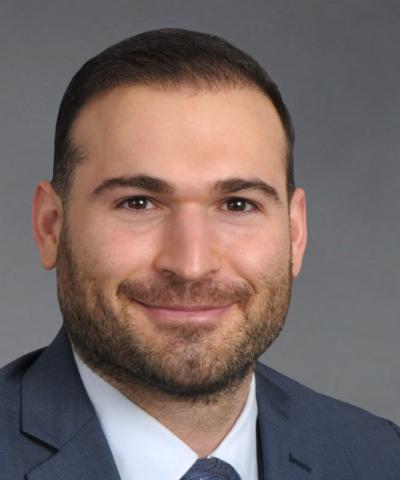
Hometown: Brooklyn, NY
Degree: B.S. in Forensic Science
Program: Honors, PRISM
Mentor: Dr. Artem V. Domashevskiy, Dr. Nathan Lents, Dr. Edgardo Sanabria-Valentín
Medical School: New York Institute of Technology College of Osteopathic Medicine
Residency in Psychiatry: Stony Brook University Hospital
What was life like before John Jay?
Growing up, I went to Yeshiva schools where there wasn’t much in the way of diversity. While in high school, I came across John Jay professors who were experts in their field. They talked about their work analyzing forensic evidence, trying to comprehend the minds of system-impacted individuals, and the intricacies of working as a medical examiner. Hearing about their research piqued my interest in forensic pathology and led me to John Jay.
Were there any specific people at John Jay who helped put you on the path to success?
I had great mentors in Dr. Artem V. Domashevskiy, Dr. Nathan Lents, and Dr. Edgardo Sanabria-Valentín, who all played pivotal roles during my time at the College. It was evident that they all cared about their students’ futures. I worked with my mentor, Dr. Domashevskiy, on his pokeweed antiviral protein research. Through my work with him, I gained valuable real-world research experience, critical thinking skills, and confidence in my abilities as a scientist.
Dr. Lents was a fantastic educator. The way he explained biology was fun and clear. As a student, you could see his passion for the subject, which was contagious. Being in the classroom with a professor like that motivated me to study science. Since graduating from John Jay, I have published several clinical psychology papers. My thought process for producing these papers stems from being in the classroom with Dr. Domashevskiy and Dr. Lents.
During my junior year, Dr. Ed really paved the pre-med route for me. He saw my potential and was such an incredible support system—helping me put my application for med school together, and supporting me through my MCATs. It’s because of his encouragement that I am where I am today.
What John Jay programs and experiences helped shape your career?
Coming to John Jay was like a breath of fresh air. The community was diverse and welcoming; everyone had their unique story. When I became a math and science tutor in the SEEK program, I learned about the College’s rich diversity on a personal level. Working one-on-one with students from different backgrounds was eye-opening. It made me more aware and sensitive to the experiences of others, which helps me today as a psychiatrist. I incorporate my patient’s cultural background into my assessment before diagnosis because what may be abnormal in one culture may be completely normal in another. Seeing and understanding the cultural framework of a patient’s upbringing helps me better diagnose and treat them.
What is your mission at PsychiaTreat?
I’m the co-founder, chief medical officer, and psychiatrist at PsychiaTreat. We opened the practice in July 2023, the Monday after I graduated from the residency program at Stony Brook University Hospital, with the goal of creating a comprehensive mental health organization that offers greater accessibility to mental health services for any person who is struggling.
The current state of mental health care services is challenging and inaccessible for many people. It’s tough for patients to get therapy appointments. There are long waiting lists, limited resources, and unaffordable prices and copays that insurance won’t cover. In many cases, a psychiatrist’s hands are tied because there are so many hoops to jump through. At PsychiaTreat, the goal is to improve accessibility by increasing the number of patients we treat, both in person and via telehealth, while also staying at the forefront of cutting-edge treatment options. My dream is to be able to give everyone access to mental health support because we all deserve to feel our best.
Marcellino Rau ’27 Researches Epigenetics & Breast Cancer
Major: Cell and Molecular Biology
Mentors: Molecular Biology Associate Professor Lissette Delgado-Cruzata, Ph.D., Mathematics and Computer Science Associate Professor Hunter Johnson, Ph.D.
Programs: Program for Research Initiatives in Science & Math (PRISM), the Honors Program, CUNY Inclusive Economy Initiative (CIE)
Internship: Research and Investment Intern, Royalty Pharma through Project Onramp
Hometown: New York, NY; Rome, Italy
Career Aspiration: Clinician/Scientist
What was life like before John Jay College?
I came from a town outside of Rome called Bracciano. I lived there most of my childhood. It was a “rural-ish” town. My close friend had a farm, and we would help him on it. Bracciano was very quaint. My parents tried to give us a lot of activities outside of the basic education offered. My dad would teach me, my twin brother, and my older sister piano and make sure that we saw our grandparents, who lived in Rome, to learn Italian history and culture. At Christmas time, we’d get panettone and pandoro. My mother taught me how to cook pizza, and we still have a lot of our family recipes.
When I was around six years old, my dad got a job at Condé Nast in New York City as a software engineer. He really enjoyed life in New York and wanted us to join him. So, my siblings, mother, and I came to New York when I was seven. Going from Italian to learning English was definitely a challenge, but we all just jumped right into a very chaotic, fun, New York lifestyle. First, we lived in Manhattan and then we moved up to Dobbs Ferry in Westchester. It’s funny now, after living in the U.S. for 15 years, when I go to Italy, I’m known as the American, and when I’m here in the States, I’m known as the Italian. I now consider myself both and I am a proud immigrant.
Why John Jay?
I actually transferred to John Jay from a private liberal arts college in Connecticut. I was a double major in biology and political science, but I didn’t find my biology classes very impressive. There wasn’t much attention being paid to the biology department and it was also costing me and my family an enormous amount of money to attend the school. I decided to transfer to John Jay for three reasons: It’s very well-funded, affordable, and my sister went to John Jay and she made a lot of friends at the College. Through her, I saw that John Jay was a beautiful place to be, with a diverse student body, and comprehensive support systems and programs for science students—like PRISM. Because criminal justice work involves forensic science, biology, and chemistry-related work, there’s a lot of networking in the science department, which I really appreciated.
What sparked your passion for science?
When I was younger, my parents used to give me books called The Mad Scientist. They were written in a comic-book, hyperbolic style for kids, but also talked about famous scientists like Louis Pasteur, Albert Einstein, and J. Robert Oppenheimer. In middle school, I had a really good biology teacher who introduced me to genetics and captivated my attention with different scientific concepts like phylogenetic trees. Also, in 2016, my grandfather was diagnosed with a glioblastoma, which is a very aggressive type of brain cancer. He passed away about a year after the diagnosis. My grandfather did not die from the cancer itself but from bronchitis related to the treatment. The chemotherapy weakened his immune system. Understanding that made me want to research treatments that prioritize medication that would be helpful to each individual patient.
How has your mentor helped to put you on the path to success?
My mentors have always pushed me to be autonomous. They made me see that I had to do more than hands-on lab work. The lab skills are very important, but my mentors made me aware of the fact that I should also be planning out research, figuring out what kind of equipment was needed, and coming up with the specific processes required to take theoretical concepts to the bench. Dr. Delgado-Cruzata showed me how to push and advocate for myself and my research. Both Dr. Delgado-Cruzata and Dr. Johnson would be there to guide me when I needed them, but they helped me understand that I had to take the initiative in my own research.
What is the focus of your research with Dr. Delgado-Cruzata?
For almost two years, we’ve been working with this sugar found in green tea. We’ve seen in other studies that it helped prostate cancer patients go into remission, survive the cancer, and get better. What we don’t know is if that’s applicable to breast cancer because it functions differently from prostate cancer. What we want to research is whether this sugar has an effect on the epigenetics of breast cancer. Our study focuses on how the sugar affects the ways in which different genes are expressed within different cell lines. We looked at the ability of the DNA to activate different portions of itself.
Another study that Dr. Delgado-Cruzata and I are working on involves analyzing the ways in which Afro-Brazilian breast cancers differ in gene activation. The cells can change depending on environmental factors, genetic factors, and even generational trauma. Populations that have had a lot of oppression, like the Afro-Brazilian people who experienced enslavement, have experienced a very big stressor. We’re looking at how these different factors influence the epigenetics of Afro-Brazilian people and the relation to breast cancer. We know that people with African ancestry have much higher rates of triple-negative breast cancer than people with non-African ancestry. For the study, we are collaborating with a cancer research lab in Brazil. Dr. Delgado-Cruzata got samples from 48 different patients. Then we took the cells and did genetic analysis on them directly. I’m in charge of doing the genetic data analysis, using my computer science skills from Dr. Johnson, to do bioinformatic analysis that shows the different ways these genes are activated and deactivated, and how they’re related to the profile of triple-negative breast cancer cells. This is important work because triple-negative breast cancer is very aggressive and extremely hard to treat because it’s not responsive to hormonal treatments or HER2 genetic treatments. That’s why this type of breast cancer, which is much more prevalent in populations with African ancestry, has a higher mortality rate compared to other types of breast cancer.
What do you hope your research does for society?
I want to help contribute to the epigenetic treatment of triple-negative breast cancer. If we apply the same drug across a vast population, we’re going to have a lot of different results. Being able to personalize the treatment based on someone’s ancestry or their epigenetic profile would be a massive win for personalized medicine. I also want to help better understand triple-negative breast cancer in general. I want to see what its weaknesses are and potentially what markers we can use to better diagnose and approach it.
How has CIE and PRISM enhanced your education?
My CIE advisor, Julie Kiss, and PRISM Associate Program Director Edgardo Sanabria-Valentín, Ph.D., helped me a lot. They’re constantly sending me internship opportunities, suggesting different kinds of lectures I could attend, recommending places where I could present my research, and giving me resume and interview guidance. The PRISM team is always there for me. They have given me spectacular advice and resources. If it wasn’t for PRISM, I don’t know where I’d be today. It can’t be overstated how much PRISM has helped shape me and elevated my education.
Where do you see yourself in 10 years?
I’d like to pursue an M.D./Ph.D. I want to spend my time between working in a practice, seeing patients, and working in a lab, performing research on translational medicine—which essentially bridges the ideas in academic research and the trials in clinical research. Translational medicine involves taking the concepts from academic research and finding ways to test them in clinical research. To do this type of work, you need an M.D. and a Ph.D. I want to have a hands-on practice where I can care for people in a nurturing way, but I also want to explore intellectual, scientific ideas. Working in translational medicine would allow me to see the positive impact the research has on people. It speaks to the two sides of myself.
Please finish this sentence: Because of John Jay…
I am a scientist. John Jay has helped me find the intersection between politics, science, and community.
Klaudia Baran ’26: Undergraduate Researcher of the Year Pursues Neuroscience
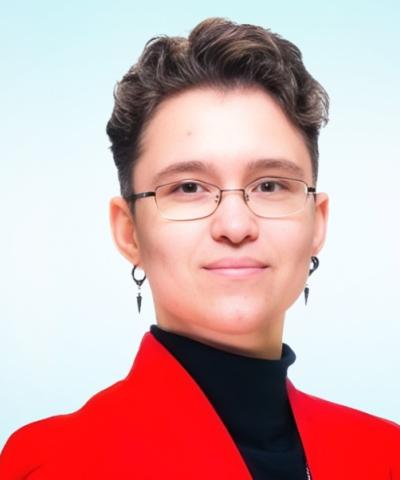
Major: B.S. in Forensic Science with concentration in Molecular Biology
Minor: Biology
Programs: Honors Program; Program for Research Initiatives in Science and Math (PRISM); CUNY Immersive Research Experience (CIRE); CUNY Inclusive Economy Initiative (CIE)
Mentors: Angélique Corthals, Ph.D., Associate Professor, Department of Sciences; Edgardo Sanabria-Valentín, Ph.D., Associate Program Director of PRISM
Internships: Neurometa Therapeutics, Aalborg Universitet, Aalborg, Denmark; ECHO Summer Program, Albert Einstein College of Medicine
Hometown: Brooklyn, NY
Career Aspiration: Neuroscience Researcher
What was life like before John Jay?
Both my parents are from Rzeszów, Poland. They moved to New York and got their citizenship in the 1990s. So, growing up, my first language was Polish because it’s the language we spoke at home. I didn’t learn English until I was in pre-K. I went to Polish School every Saturday until I was in high school. In Polish School, I learned the language and about the country’s history. Now I know more English than Polish.
When I was younger I didn’t really like school, but once my parents moved me to a school where the classes were smaller in size, the learning experience got more enjoyable and it was easier for me to pay attention. That’s when my interest in school, and in getting as much as I could from my education, really kicked in.
I have two sisters, including my fraternal twin, Patricia. She is currently studying urban planning and development at Rutgers and is on her way to completing her master’s degree. My younger sister, Sylvia, is like me and really into science. She wants to be a radiologist. While our parents didn’t really push us to pursue higher education, they led by example. We kids understood the sacrifices they made to provide us with a life of educational opportunities. Our academic and professional successes, and how we put good back into the world, is our way of showing our gratitude toward them and of paying it forward. As a first-generation American and first-generation college student, I’m very proud of what I’ve been able to accomplish.
What sparked your passion for science?
In high school, I took an anatomy and physiology class. The teacher I had was fantastic. She made science, and more specifically the subject of anatomy, accessible and fun. In class, we learned how organs form and function, and how tissue regenerates during wound healing. On a school trip, we visited a lab, where I got to see the intricacies of the human body. I was able to hold a heart in my hand and was amazed that my thumb could fit into an aorta. I also saw a uterus, the intestines, and the brain. I was intrigued by the human body and science. That high school class experience made me want to learn more. Since I’ve been at John Jay, that passion for science and biology has only intensified.
Why John Jay?
When I was applying to colleges, my plan was to become a forensic pathologist, and a family friend suggested I consider John Jay. He had graduated from the College and told me it was one of the best schools for forensic science in the country. He also raved about his own John Jay experience. He said the campus was beautiful, the community was great, and the opportunities for working and learning were plenty. He shared that while at the College, he was recruited by a government agency for a government job.
I was a bit nervous to apply because the deadline was quickly approaching, but he pushed me to do it. I’m so glad I listened because John Jay has been such an awesome experience. The community on campus is great, the student resources and support programs are exceptional, and the professors are completely committed to their students’ success.
How have your mentors put you on the path to success?
Dr. Corthals has played a huge role in my growth as a researcher. She’s been massively supportive throughout my time in her research lab. One of the things I appreciate most about Dr. Corthals is that she completely trusts her students and sees their potential. She gives you the space to learn on your own, but if you don’t understand something, she’s the first to help you get to the point of understanding. A lot of the work I was doing in her lab, I didn’t think I could do on my own, but I realized I was creating protocols, troubleshooting when necessary, and completing my work. Dr. Corthals helped me realize my potential and see my capabilities.
Dr. Ed has been an incredible guiding force during my time at John Jay. He’s introduced me to a variety of learning experiences and helped me gain clarity on my post-graduate plans. Before connecting with him, I was trying to decide between different career paths and graduate school, and he took time to help me figure out my next steps.
That’s what’s been so incredible about Dr. Corthals and Dr. Ed. Both have provided me with an environment where I felt supported enough to pursue all my interests, take on different experiences, and expand on my knowledge and capabilities. They’ve pointed me to incredible research and internship opportunities that will set me up for future success. Dr. Corthals pushed me to take on the research opportunity at Neurometa Therapeutics at Aalborg Universitet in Denmark, and Dr. Ed encouraged me to apply for the ECHO Summer Program at Albert Einstein College of Medicine. Without them I don’t know where I’d be. I’m very grateful for their help.
How have your internships enhanced your education and career aspirations?
The research I was doing in Denmark with Neurometa Therapeutics focused on how certain medications can help treat the symptoms of neurodegenerative diseases like ALS, Multiple Sclerosis, and Parkinson’s. The opportunity was perfect for me because I want to work in neuroscience research. At Neurometa Therapeutics, we focused on MN9D cell cultures—cells we use in research to learn more about the brain and neurodegenerative diseases—and tested how they process certain chemicals. Our goal at the time was to induce them to grow and act like Parkinson’s cells. If we could accomplish that, we could then observe how the cells would react to certain medications, which could, in the future, lead to the development of medications that would slow or stop the disease’s progression. The experience was incredible, because it was so collaborative and educational.
At Albert Einstein College of Medicine’s ECHO Program, I was conducting research on the correlation between socioeconomic conditions and diseases. I was also in a forward-facing position as a patient advocate, working closely with patients who were coming into the hospital. I saw the opportunity to give back and help people. I wanted every single patient I met to feel seen and heard. If I saw a patient in the emergency department waiting room who had been waiting for a long time, I would check on them. I remember one day the emergency department was packed, and there was a patient who was having pain in his appendix area. He was feeling so unwell he was shaking from the pain. He didn’t have appendicitis, but he still wanted to see a doctor. I went up to one of the doctors, explained the situation, and he agreed to see the patient right away and sent him up for a CT scan. The next morning, I learned the patient had to have surgery. I went to see him in recovery, and he thanked me for not leaving him in the waiting area. It’s moments like that, where the drive to work in the medical field becomes stronger for me.
What was the focus of your research with Dr. Corthals?
I’m currently working in two of Dr. Corthal’s research labs. The first lab, where I’ve been working for about three years, focuses on the relationship between three metabolic genes and chronic pain. Specifically, we’re looking at how the interaction between Peroxisome Proliferator-Activated Receptor, Apolipoprotein E (ApoE), and GTP Cyclohydrolase 1 can trigger chronic pain.
We’re using two groups for this project. The first is a control group that doesn’t have a neurodegenerative disease, and the experimental group includes brain samples with Multiple Sclerosis (MS). People living with MS tend to experience a lot of chronic pain. What we’re doing in the lab is taking formalin-fixed, paraffin-embedded brain tissue samples, cutting sections, and extracting DNA to analyze gene expression. My hypothesis is that the interaction between and expression of these three genes will be much higher in MS patients than in the control group. If my hypothesis is correct, it would give us a new perspective on pain pathways, and hopefully, help us find better ways to treat chronic pain.
I started with the second Corthals research lab in December 2025, and the work is in collaboration with the Max Planck Institute of Animal Biology. In this project, we’re looking at how brain cells in shrews change during a shrinking process called Dehnel’s phenomenon. To survive during winter and save energy, shrews shrink their brain and then regrow them in time for the summer. Using shrew brain samples allows us to see how the shrinking and regrowth process affects communication and connections between cells, impacts brain recovery, and provides us with a better understanding of neurogenerative diseases. When the shrew brain shrinks, its mimics neurodegeneration in humans. Often in neurodegeneration we see the damage of or a reduction in myelin, which is the protective lipid-rich cover around neurons, and a decrease in peroxisomes, which are small membranes that break down fatty acids and remove toxic substances. During this research I’m observing these changes, specifically the peroxisome cells, in the shrew brain samples. My hypothesis is that the number of peroxisomes in shrews will be much smaller in the winter compared to the summer.
How has PRISM and the Honors Program helped shape your John Jay experience?
PRISM has been an amazing experience. It feels like a “mini-Ph.D.” program. I’ve had incredible mentors, conducted exciting research, created my own protocols, and presented my work across the country. I’ve also been able to see what success outside of John Jay can look like. PRISM hosts several events each month where students hear from alumni and professionals working in different STEM fields. These speakers discuss their life journeys, education and graduate school experiences, and careers. That level of insight into what can possibly come next is especially helpful when you’re a student trying to figure out where you want to go after commencement.
The Honors Program has also been exceptional and pivotal to my success at John Jay. Honors courses center on the main theme of the common good—how can you contribute to society, help uplift others, and make a community feel seen and supported. Each Honors course was so philosophical and deeply resonated with my desire to contribute positivity to the world. I’ve also had a wonderful advisor in Ms. Alana Philip. Since day one of joining the program, she’s been supportive of all my plans. Every time I see her, I have a new 10-year plan to show her. No matter what alternative path I show her, Ms. Philip is always encouraging, and she motivates me to stay the course and be patient.
What are your plans after graduating John Jay?
I’ll be supporting research at the Max Planck Institute of Animal Biology in Germany for two months this summer. The Institute has provided the shrew brain samples for our research in Dr. Corthal’s lab these last few months, so they are familiar with the work we’ve done. At the Institute, I’ll be helping in several ways including serving as a research assistant. I’m excited for the opportunity to be part of their work and to expand my skillset. Once I’m back in New York, I’ll continue to work in Dr. Corthals lab, get my certification in mouse training—which will help in my future research—and apply to Ph.D. programs.
Where do you see yourself in 10 years?
I will have earned my MD-Ph.D., finished my postdoc research, and published papers. I see myself working in the neuroscience field as a researcher aiming to stop and reverse neurodegenerative diseases and, on the medical front, working with patients and performing neurosurgery. I would also love to teach at John Jay and run my own research lab at the College. I want to be able to build students up the way Dr. Corthals and Dr. Ed did for me.
Finish this sentence: Because of John Jay…
My eyes have been opened to a world of opportunities I didn’t know existed.
Brooke Fontaine ’26 Earns Full Scholarship to Pharmacology PhD Program
Degrees: B.S./M.S. in Forensic Science with a concentration in toxicology and criminalistics
Programs: Forensic Science Dual Degree Program; Honors Program; PRISM; PRISM Undergraduate Research Program; Women’s Soccer Team
Mentors: Marta Concheiro-Guisan, Ph.D., Assistant Professor of Toxicology; Edgardo Sanabria-Valentín, Ph.D., Associate Program Director, PRISM; Peter Diaczuk, Ph.D., Professor; Adrienne FitzGerald, Student Support Manager, Honors Program
Internship: University of Pennsylvania, Summer Undergraduate Internship
Current Role: Adjunct Lecturer, General Chemistry Recitation, John Jay College
Hometown: Essex, VT; Manhattan, NY
Career Aspiration: Professor and Scientific Researcher
What was life like before John Jay?
I grew up in Georgia, Vermont, a quiet, small town about 20 minutes from the Canadian border. I loved growing up there. It’s in the middle of nowhere, surrounded by nature, and absolutely beautiful. My hometown is so different from New York City. We didn’t have 24-hour corner bodegas or big shopping centers. We only have small family-owned businesses. There’s no public transportation, so we had to drive everywhere, since everything was several miles away. Our town didn’t even have a high school. I had to go to another town, about 30 minutes away, for high school.
When my parents found out I was accepted to John Jay and would be moving to New York City, they were so excited for me and incredibly proud. I’m the first in my family to graduate from college. They’ve always supported my dreams of going to college and becoming a scientist.
Why John Jay?
I fell in love with forensic science in the eighth grade. So when it came time to apply to colleges, I researched institutions across the country that offered forensic science as a major. I also needed the college to have a women’s soccer team, because I wanted to stay active in the sport and be supported by my teammates while earning my degree.
John Jay came up in my search as one of the top schools for forensic science with an excellent soccer program. After speaking with John Jay representatives, and seeing the campus and its offerings, coming to John Jay felt like the natural choice. Once I was enrolled and moved to the city, I lived in the College’s New Yorker dormitory during my freshman year, then I got an apartment with my soccer teammates for the rest of my time at John Jay.
Beyond the programs at the College, one of the things that drew me to John Jay was its location in the heart of New York City. I knew I would be surrounded by opportunity as a John Jay student. Whether I was applying to an internship, working in a research lab, or expanding my network at a John Jay event, there were opportunities waiting for me everywhere.
What sparked your passion for science?
I was fascinated by science from an early age. I loved looking into microscopes and learning how things worked. I was also drawn to the criminal justice field. I saw the TV show NCIS and realized the role of forensic scientist was a job that combined both science and criminal justice. Specifically, the character of Abby Sciuto, a forensic scientist on NCIS, stood out to me. She was the one who made me go, “That’s what I want to do!” It was cool to see how Abby could take evidence collected at a crime scene and analyze it in a science lab. Her character helped investigators connect the dots to solve crimes. Seeing all the tools she used to analyze evidence, whether it was looking at DNA, ballistics, or different fingerprints and then matching them to the offender, was so inspiring to me. What’s even cooler is that the actress who played Abby, Pauley Perrette, created a forensic science scholarship at the College.
How have your mentors enhanced your college experience?
All the mentors and professors who are part of the Honors and PRISM programs have offered a lot of guidance and contributed to my success as a student and my growth as a researcher. I came to John Jay with the belief that I would just go to class, earn my bachelor’s degree, graduate, and start working.
Meeting my Honors advisor, Ms. Fitz (Adrienne FitzGerald), changed that. She opened a new world of possibilities for me. Ms. Fitz was the first to suggest I try doing research while at John Jay, something I had never considered. She told me, “Give it a shot. If you don’t like it, you can try something else.” She also suggested I apply to PRISM, which put me on the path to becoming a scientific researcher.
In PRISM, Dr. Ed (Edgardo Sanabria-Valentín) connected me to various opportunities, including internships, networking events, and my first research opportunity with Dr. Diaczuk. Dr. Ed also encouraged me to pursue a master’s degree by introducing me to the forensic science dual-degree program at John Jay. After I was accepted into the program, I began to conduct research with Dr. Conchiero-Guisan. That’s where I discovered my passion for toxicology research.
I really credit Ms. Fitz and Dr. Ed with introducing me to the research world and the many opportunities it offers. I loved that they both pushed me to take a chance on different learning experiences and to make the most of each one.
What is the focus of your research at John Jay?
The research in Dr. Diaczuk’s lab was focused on ballistics, and I was part of the team conducting preliminary studies on less-lethal ammunition. This type of ammunition is used by law enforcement during protest situations and crowd control efforts. Specifically, we looked at bean bag ammunition—fabric pouches filled with lead pellets. At the time, there had been a lot of articles talking about how this type of ammunition, when used, had a negative long-term health impact on the people who were hit. The injuries were aggressive. During this preliminary work, we reviewed articles that focused on the variables that could affect the ammunition’s impact. Everything from the accuracy of the ammunition, the angle from which the ammunition was shot, to whether the distance or speed could have an effect.
In Dr. Concheiro-Guisan’s lab, we were analyzing hair samples to detect stress biomarkers. Your body produces cortisol, cortisone, and endocannabinoids, which are biomarkers associated with the stress response. We wanted to see how these biomarkers show up and change during a stressful period of time. We found that pregnancy is a particularly stressful time, so we collected samples from pregnant women. Specifically, we were interested in seeing if there was a correlation between stress level throughout the pregnancy and the changes in the biomarkers. We developed a validated method to analyze the samples. So far, the data is showing an upward trend in cortisol and cortisone across the trimesters, but nothing conclusive yet in terms of the endocannabinoids.
How did these experiences help you grow as a researcher?
Dr. Diaczuk’s lab taught me how to start lit reviews and begin the research process. I learned how to write research papers, analyze them, extract the important data, and apply that information to the experiment we were working on. While ballistics research wasn’t something I was passionate about, it was in this lab where I began to fall in love with research, so it’s an opportunity I will always be grateful for.
When I started in Dr. Concheiro-Guisan’s toxicology lab, the subject matter was more aligned with my interests. I was excited to learn more about toxicology and its role in the forensic science field. What I learned in this lab, aside from how to use different instruments and extract samples for analysis, was that asking questions is a good thing. Dr. Concheiro-Guisan told me that there’s no such thing as a silly question, which, as a student, is really reassuring to hear. She was always there with an answer and support. She also helped build my independent research and teamwork skills and instilled confidence in me. A lot of the time, I had to conduct the research on my own, and she would say, “You can do this. You got this. I trust you.” That boost in confidence was essential, especially when I would have to use the very expensive instruments in the lab to analyze and interpret data.
What did you research at the University of Pennsylvania internship?
During the 10-week summer program at UPenn, I did research in the biomedical science program. The research examined isoform differences in genes that could be high-risk for autism. The internship gave me a view of the chemistry and biology side of things and allowed me to do more wet-lab work. I was doing research for 40 hours a week. I performed lab tests, collected cortical samples from mice, and analyzed results. At first, the idea of doing research 40 hours a week intimidated me, but as I got through each week, I grew to appreciate the research process. Being in the lab felt like the right environment for me. The internship was exciting to be part of and became the motivating factor for me to earn my master’s and doctorate degrees.
Why did you choose the University of Toronto for your doctoral studies?
I chose the University of Toronto for many reasons. The location is great since it’s close to home, I have family ties to Canada, and the pharmacology doctoral program was exactly what I was looking for in a new research environment.
During the doctoral program, I’ll focus on pharmacogenetic research that combines pharmacology, toxicology, genetics, and biology. It’s a highly interdisciplinary field. Finding research in this area was incredibly difficult, but I was super excited to see that pharmacogenetic work was being done at the University of Toronto and that the university had some excellent labs doing similar research.
The university also awarded me a stipend, so my doctoral studies will be a fully funded for the next four to five years. Being able to conduct exciting research and earn my Ph.D. debt-free, feels like a dream come true.
Where do you see yourself in 10 years?
I see myself conducting research and performing forensic work at a federal agency or a government facility—possibly improving lab functions and innovating the way cases are investigated. I’d also love to teach at a university on the side. If I could give students what Dr. Diazcuk, Dr. Concheiro-Guisan, Dr. Ed, and Ms. Fitz gave me—guidance in finding their passions and the confidence and resources to go out and try new things—it would mean the world to me.
In-Deria Barrows ’26 Wins Scholarship to Earn PharmD
Major/Degree: B.S. in Cell & Molecular Biology
Minor: Psychology
Programs/Clubs: PRISM; PRISM Undergraduate Research Program; John Jay Student Council, Treasurer
Mentors: Ajejandra Myerston, STEM Retention Specialist, PRISM; Nathan Lents, Ph.D., Professor of Biology; Edgardo Sanabria-Valentín, Ph.D., Associate Program Director, PRISM
Internships: Harlem Biospace, Operational Intern; Johnson & Johnson, KENVUE CAMP/Bottomline Intern; Museum of Natural History, Museum Educational Experience Program (MEEP) Intern
Hometown: Brooklyn, NY; Portland Parish, Jamaica
Career Aspiration: Medicinal Researcher
Post-Graduate Plans: Earn a Doctor of Pharmacy at Albany College of Pharmacy and Health Sciences (ACPHS)
What was life like before John Jay?
I was born in Florida but raised in Jamaica by my aunts. My mother was part of a work travel program, and, for my stability, my aunts told her to let me live with them. I lived on the island and went to school there for most of my youth, but I spent summers in the States. When I was 16, I graduated from high school in Jamaica and moved to Brooklyn, New York, to live with another aunt of mine. When I got to New York City, I felt I needed to learn about the education system before going off to college, especially because education is very different in Jamaica. I was enrolled in high school, did my senior year, and graduated valedictorian. School has always been my happy place. I’ve always done very well academically.
When I started going to school in New York, it was a bit of a culture shock because the workload is much lighter here. So, in many ways, I felt overprepared. I was also surprised by how freely students moved through the classrooms and spoke with the teachers, sometimes even calling them by their first name. In Jamaica, you must raise your hand and call the teachers by their title and last names. And even the way students interact and communicate with one another is so different and fast-paced.
I was excited to start my college journey, but just as it began, my life took a major hit. In the fall of my freshman year at John Jay, about a week before my 18th birthday, the apartment above ours had a fire that spread. Firefighters put the fire out, but there was so much damage from the flames and the water used to extinguish them. The ceiling crashed down and our entire apartment was flooded. Everything, from our clothes and furniture to the appliances and technology, was damaged or destroyed.
How did you get through this challenging situation?
The Red Cross put us in temporary housing for a few days. At the time, my aunt and I had about $600 between the two of us. I was also new at John Jay, so I didn’t know about all the emergency resources and support available to me at the College.
My aunt and I had to set aside our feelings, shock, and sadness to figure out our living situation. We went from shelter to shelter and eventually we were told that our apartment walls had been replaced, so we were allowed to go back to our apartment. We still didn’t have electricity for a few weeks, so I would stuff my backpack with all our rechargeable devices and charge them at John Jay. I would stay as late as I could on campus and make sure to do all my assignments while at John Jay because we didn’t have Wi-Fi at home.
Since our electricity wasn’t on, we couldn’t keep our food refrigerated and heat it up in a microwave. My sister, who was a flight attendant, always brought us warm meals whenever she was in town. She would keep the food warm in an insulated bag. At the time, I was also working with a nonprofit called Bottom Line. They learned about what happened and gave me a gift card so I could buy whatever my aunt and I needed. It took us some time to rebuild, but I was grateful to have people who cared for us and helped as much as they could. I was extremely thankful to have John Jay College as a safe refuge and to finally have a roof over our heads again.
Why John Jay?
Ever since I was a little girl, I knew I wanted to go to college and work in the field of medicine. I wanted to be a doctor, though I wasn’t sure what type. I knew I wanted to help people through therapies. I also knew that to go to medical school here in the States, you have to have a bachelor’s degree. When I was doing my college search, I looked for an institution that would let me explore science fields through hands-on research and practice. John Jay stood out to me, and to my surprise, was the first school to accept me.
I remember when I got the acceptance letter, I was crying, because as a first-gen student I didn’t know if going to college was possible for me. Both my parents and I didn’t know how the application process worked or if I would be able to afford tuition. But once I got the news that I was officially a John Jay student, I knew I would find a way forward. I remember calling John Jay’s admissions team and asking for guidance on securing financial aid because both of my parents were from and living in another country. The team was super helpful, pointing me in the right direction and guiding me throughout the process. To become a doctor, John Jay was where I needed to be.
What sparked your passion for pharmaceutical sciences?
When I was little, I was a big fan of Doc McStuffins. If you look at photos of me as a kid, I was wearing a white lab coat, holding a stethoscope in one hand and a plush toy in the other. At the time, I wanted to be a veterinarian, and that quickly evolved as I grew older. I was frequently in doctors’ offices for a hearing impediment I was born with. I also had a horrible eczema flare-up where my skin couldn’t come into contact with anything. I remember the wonderful interactions I had with the doctor who treated me. I was allowed to ask questions to learn what was happening to me. The doctor looked at me, smiled, and said, “You have the personality of a doctor. You’re asking all the right questions.” I took comfort in her presence and in her words. Ever since then, I knew I wanted to be a doctor.
Then, during my sophomore year at John Jay College, I interned with Johnson & Johnson. I was able to visit their labs and learn about the skincare lines they were producing. At the time, they were working on an Aveeno skincare line to help people with eczema. I did a case study to see how the skincare line works compared to the prescribed therapies. The thought, science, research, and care that go into making these products is what really got to me and blew me away. I felt inspired. I realized I wanted to be able to help people by providing them with affordable drug therapies that would make them feel better.
How did your time with the Student Council enrich your experience?
Before joining Student Council, I didn’t know where to go for help or assistance, and early on in my college experience, I didn’t have a network of support. After joining Student Council, I found a real sense of community, gained a deeper understanding of John Jay and all its offerings, and found purpose. My mission was to help all John Jay students.
Given my personal experience with my apartment fire freshman year, I wanted to make sure I had all the resources available and ready for students facing housing insecurity, food insecurity, or who needed emergency assistance in some way. I wanted to be a resource for my peers and help them overcome whatever challenges they were facing. I wanted to make sure they had all the tools they needed to succeed academically—whether that meant connecting students with faculty or staff, ensuring the math tutoring center had enough calculators, or making sure the science labs had sufficient goggles and gloves. I wanted to help and it felt good to help.
How did your PRISM mentors help put you on the path to success?
Being in PRISM, you’re given so many opportunities for growth. That includes applying for various internships, joining incredible research labs, attending important conferences, and connecting with a network of people in your chosen career field. Beyond that, the faculty and staff in PRISM really step up for students.
Alejandra Myerston always made sure I was on top of things, taking the right courses, encouraging me when I wasn’t feeling great about a class, and reminding me of my potential. She also made sure I was taking breaks when needed. If I expressed interest in something, she made sure she pushed me toward opportunities in that area. She always saw what I was capable of and encouraged me to do things I didn’t think I could, like conducting research through the Undergraduate Research Program (URP).
Dr. Ed (Edgardo Sanabria-Valentín) was a pillar for me, especially when it came to applying to graduate school. Over the summer, he encouraged me to prepare applications, but I wasn’t sure what I wanted to do after my time at John Jay. He suggested I prep for the MCAT so I could get into med school, but when I told him my heart wasn’t in it, he really listened. He said, “In-Deria, let’s figure this out together.” And that’s what we did. I realized I wanted to work in women’s health, finding cures and developing therapies that would help women. Dr. Ed said, “Give me a day or two to find the right programs and network for you.” Sure enough, he did. He connected me with several alumni in the alumni mentoring program who were working in medicine, one as a pharmacist and one as a physician assistant. He sent me resources and asked, “Have you considered pharmacy school?” I hadn’t, but once I met Dr. Khamattie Shivanie Uzagir ’17, a pharmacist, everything clicked for me.
Khamattie invited me to her pharmacy, let me shadow her, and see what life as a pharmacist was like. It felt like the perfect fit for me. Soon after, Dr. Ed pushed me to apply to pharmacy school. He helped me find the programs, let me know when the materials were due, and even texted me over holiday break to make sure I was working on my essay and forms. All my fees were waived thanks to PRISM. My applications and essays were submitted one week before the deadline. I applied to six programs and got into every single one.
What was the focus of your research with Dr. Nathan Lents ?
Dr. Lents took a chance on me and let me join his lab when I didn’t know what I was doing. He made sure I knew I belonged in his lab, no matter how out of place I felt. He never turned me away, always answered my questions to the best of his ability, and explained things to me.
The very first research project I did with him was commissioned by the Museum of Modern Art. They had a few art pieces featuring animal fur and wanted to learn what type of animals they were. They cut off pieces of hair (or pelts) from the artwork and sent them to us. First, we had to find the most effective way to extract DNA from these samples without damaging them. Then we had to identify the sequencing (primer sets) we would use to compare our DNA samples to. Once those two pieces were in place, we could extract the DNA, compare it to the sequencing, and see how closely related they were to the species we have today.
The second research project focused on plant DNA and creating a sort of fingerprint database to help identify the different plants and flowers. Like our animal DNA project, we had to identify which genes in the plants would provide the DNA information we needed for identification. Once we found the plant genes, we had to figure out how to properly extract the DNA. Then we had to identify the right sequencing to compare our samples against. Working with plants was very different because some of the DNA sequencing didn’t exist, so we had to produce these primer sets ourselves.
Our research was twofold. Not only had we been working on creating this database, but we had also been exploring how a plant identification tool could help solve crimes. In our study, we focused on baby’s breath because it’s the least-researched yet the most commonly found flower at crime scenes. If a petal had been found at a crime scene where a woman had been murdered, using our database, the flower could be linked to a local flower shop, the purchase traced to the person who bought the flowers, and that could have led investigators to a possible suspect.
Why did you select Albany College of Pharmacy and Health Sciences?
I wanted to go to a grad school where the atmosphere felt right, student support was in place, and opportunities for in-the-field experiences were plentiful. I also wanted to go to a place I could afford, and thankfully, Albany College of Pharmacy and Health Sciences awarded me $20,000 per year for the duration of the program—offsetting a significant portion of the financial burden. When I toured Albany College of Pharmacy and Health Sciences, it reminded me a lot of John Jay—a welcoming, beautiful campus, well-equipped labs, small cohort sizes so everyone knows everyone, and attentive advisors and mentors who care. But what really stood out most to me was the rotations students get to do every summer. The idea of having these on-the-ground, hands-on pharmaceutical training experiences throughout my time in pharmacy school was exciting.
Where do you see yourself in 10 years?
I’ll be Dr. Barrows, working in the pharmaceutical industry at a company like Eli Lilly, creating medications and therapies that improve women’s health and their lives. I also hope to work in a hospital pharmacy at some point in my career, helping patients access the treatments they need.
Finish this sentence: Because of John Jay…
Because of John Jay, I’m on the path to becoming a doctor and making my dreams come true.
Andy Primrose ’26 Accepted to Five Chemistry Grad Programs
Major/Degree: B.S. in Forensic Science, concentration in toxicology and criminalistics
Programs/Clubs: Program for Research Initiatives in Science (PRISM), STEM Scholars Program, PRISM Peer Mentor, CUNY Justice Academy
Mentors: Gloria Proni, Ph.D. Forensic Science Associate Professor; Edgardo Sanabria-Valentín, Ph.D., PRISM Associate Director; Alejandra Myerston, STEM Retention Specialist
Hometown: Wappingers Falls, NY
Career-Aspiration: Scientific Researcher
Post-John Jay plans: M.S. in Chemistry, with a Concentration in Biochemistry, at San Francisco State University
What was life like before John Jay College?
I grew up in Wappingers Falls, New York, which is a town south of Poughkeepsie, NY. I have three brothers, two who are older and one who is younger. My father, who worked at a nuclear plant called Indian Point, got melanoma when I was 11 years old. At the time, there was a new kind of immunotherapy clinical trial that my mom was researching. She called his doctor and urged him to order it for my father. In my opinion, that drug gave my father three extra months of life—which was huge for us. At 57, my father passed away. I was only 12 years old. From what I understand, at Indian Point, they were pretty loose with hazard rules. Now, his entire team, except for one person, is dead.
I wouldn’t be the person that I am today had I not gone through that experience when I was really young. I’m not grateful that it happened, but I think it gave me a different perspective on life. It taught me a lot about empathy, compassion, independence, and resilience. In the future, if I can help create a drug that could improve someone’s life—or extend it even for a short period of time—I’d be proud.
After my father passed away, I was raised by a single mother. In Poughkeepsie, I got involved in theater where I did technical lighting—which was a passion of mine—and running because there’s a lot of open spaces to explore. I also enjoyed wilderness exercises as a Boy Scout. I’m actually an Eagle Scout now. I came out when I was 18 and now I’m a proud member of the LGBTQ community. Moving to New York City in 2025 for college really opened up my world. I found a more diverse community that felt very accepting of who I am as a person.
Why John Jay?
I actually applied to John Jay’s forensic science program three times—and I got rejected three times. When I was younger, I went through a lot back-to-back. First, my father died, then my last grandparent died, and then one of my aunts died. It was a really rough patch for a few years, and my grades were not up to par with John Jay’s standards. At around 19, I came out of that spiral. I decided that I couldn’t help my circumstances, but I always had a choice.
I knew that the forensic science program at John Jay—which is world-renowned—was perfect for me and I wouldn’t give up. I liked that it offered a lot of hands-on experience, not just in chemistry, but in analytical chemistry. Instead of just learning theories, John Jay students were actually applying them. I wanted that experience. So, I reached out to the school and they suggested that I go to a CUNY community college and then transfer directly into John Jay through the CUNY Justice Academy. That’s why I attended the Borough of Manhattan Community College (BMCC); it was the only way I could attend my dream school. I ended up completing my associate degree at BMCC in one year—that’s including general chemistry, organic chemistry, physics, and biology. It was all so I could seamlessly transfer into John Jay’s forensic science program through the CUNY Justice Academy. CJA even paid for my summer courses in 2024 so that I could transfer in the fall of 2025. I really overcame a lot of obstacles to get here.
What sparked your passion for science?
Science was always my favorite subject in elementary school and my aunt is a nurse; I think her work made me curious about science. When I was 10 years old, I asked my doctor, “Do you have my blood type on file?” They did not since I hadn't had surgery. So, I bought a little blood type kit at the drugstore. I pricked my finger, and there were four different spots for antigens that respond to your blood type depending on what it is. I thought it was pretty cool. Then my aunt taught me about the genetics behind it. Afterward, I was like, you know what, I’m going to make my whole family tree with blood types.
I saved up my allowance for months to buy two dozen of those little at-home blood test kits. During Thanksgiving, I forced my entire extended family to prick their fingers and mark the cards so that I could chart out the genetics of our blood type inheritance. Everyone was having a good time, then during dessert, I sat down at the counter and explained how I was going to test them all.
The results were fascinating to me because I could trace the inheritance. I found out that I’m the only person with type O blood in my family, which made me worry about getting an organ transplant if I ever needed it. It was nice that my family humored me, because outside of my aunt, no one was interested in science. I’m grateful that both my mom and my aunt nurtured my passion for science.
How did your mentors positively impact your educational journey and goals?
I wouldn’t be the researcher I am today if it wasn’t for Dr. Proni. Usually, when you’re an undergraduate student, you reach out to professors and ask if you can work in their lab. I was doing a tour for the CUNY Justice Academy Open House and I was walking around her lab explaining what each of the instruments do and she came up to me afterward. She said, “Oh, you’re Andy. I’ve heard about you. Why don’t you come work in my lab?” And that was it. She had never met me before but she took a chance on me. Luckily, she recognized my capabilities and I started doing research with her in January of 2025.
For the first three months, it was very structured—we’d come in at a certain time and we’d do research together. But then she had to go to Italy for a family emergency. So, from March till the end of the summer, she trusted me to do a lot of the procedures. Italy is six hours ahead, but I don’t really sleep well, so I would wake up at 3:00 in the morning and text Dr. Proni, “Are you awake? Can I call you with some questions?” Then we’d chat and she’d help me out with my research. It meant a lot to me that she had that level of trust in me. It helped me grow as a scientist and a researcher.
Dr. Proni also worked hard to get me into undergraduate research programs so that I would be paid to do research. She fought tooth and nail to get me funding to go to Atlanta for the American Chemical Society Spring 2026 Conference, which was truly a transformative experience. She’s always sending me opportunities. Her support has been fundamental to my academic journey.
Being a transfer student from the CUNY Justice Academy, Alejandra was a big part of my adjustment to John Jay. She set me up with a peer mentor and made sure I had extra tutoring. John Jay has the newest labs in the CUNY system, and honestly, at first glance, they can be intimidating. When I got to my first quantitative analysis class, everyone else was pre-lab ready, while I had never done anything like that before. Alejandra and PRISM helped me identify the gap between what everyone else already knew and what I didn’t.
What was your experience like as a PRISM Peer Mentor?
At first, I was a little skeptical about being a peer mentor. I liked the idea of helping people, but I didn’t know what happened behind the scenes in the program. Then Alejandra told me that I’d get a stipend for being a mentor. How could I say no to that?
One day, Alejandra texted our PRISM Peer Mentor group chat asking if anyone spoke Spanish. She needed to find a mentor who could help a student who could speak English but was more comfortable in Spanish. No one answered back that they could do it. At the time, Alejandra didn’t know that I was fluent in Spanish. I studied Spanish for two years in middle school and all four years of high school. There were a lot of native Spanish speakers in my classes, so I was playing catch-up with full immersion. I also worked at Target for a few years with the night crew—all of whom preferred to speak Spanish. So, when I responded to Alejandra’s text in perfect Spanish, she was flabbergasted. Spanish was Alejandra’s first language. She said, “I’ve known you for two years. Why didn’t you tell me? Sometimes I get tired of speaking English and we could have spoken in Spanish.”
Being a PRISM Peer mentor has been a really enriching experience. Alejandra sends me a lot of transfer students. I see myself in them and I want to give them the same level of support that I received when I was in their shoes.
What was the focus of your research with Dr. Gloria Proni?
It focuses on DNA, but it’s more of a chemistry project. DNA forms a ladder, or a twisted spiral staircase, called a double helix. In nature and in our bodies, the helix is always shaped right-handed because the rungs of the ladder are all shaped right-handed. In this research, we’re looking at artificial nuclear units of the DNA and inserting them into the sequence. We put some of the units right-handed, like normal, to see what the helix looks like, then we change a few of them to be left-handed to see how far we can push it before the helix flips and becomes an unnatural left-handed version. It’s a lot of organic polymer work and very chemistry based. It has applications that are pretty far off in the future. The mRNA vaccine for Covid uses the same base units that we’re using, but they break down very quickly in the body because we have enzymes specifically for the right-handed, natural versions. Our research is just exploratory, but if we could invent something that used left-handed units, that your body doesn’t recognize, it could be a game-changer with big medical applications.
What are your plans after graduation?
I applied to nine graduate school programs—four were Ph.D. programs, and five were master’s degree programs. I picked four schools on the West Coast, because I visited San Francisco and I loved it there. I also picked four schools in New York and one in Amsterdam. I was accepted into one of the Ph.D. programs—CUNY Graduate Center for a Ph.D. in biochemistry—and four of the master’s degree programs. I’m excited to say that I'll be moving to San Francisco on July 1st and attending San Francisco State University to earn my M.S. in Chemistry with a Concentration in Biochemistry.
If you had asked me a year and a half ago, if I was considering grad school, I would have quickly responded, “Absolutely not.” But because of my mentors, I was encouraged to apply. I’m really grateful for their endless support. They’ve set me up in a position to earn a graduate degree, which would allow me to work in a lot of fields that I wouldn’t otherwise be qualified to do. Grad school applications are something no one in my family has ever done, but my mentors really helped me understand the process. It’s a very daunting process, but they made it easier for me—Dr. Proni even wrote my letter of recommendation.
Where do you see yourself in 10 years?
I see myself in a lab. It’s definitely going to be something involving chemistry—hopefully drug chemistry or medical chemistry. I would love to work on developing medications and treatments.
Please finish this sentence: Because of John Jay…
I have the opportunities and experience I need to succeed as a scientist.
Salutatorian Sarah Marks ’25 Earns Spot at Michigan State Toxicology PhD Program
Major: Forensic Science with a concentration in Toxicology
Minor: Biology
Mentors: Professor Elise Champeil, Ph.D., Edgardo Sanabria-Valentín, Ph.D.
Programs: PRISM, Honors Program, CUNY Immersive Research Experience (CIRE)
Internships/Fellowships: Research Intern Food and Drug Administration (FDA) National Center for Toxicological Research (NCTR)
Hometown/Zip Code: Little Rock, AR; Manhattan, NY
Career Aspiration: Forensic Toxicologist/Professor
Post-Graduation Plans: Michigan State University Ph.D. Toxicology Program
How did John Jay support your personal journey?
I feel like I found my people at John Jay. One of the coolest aspects of John Jay is that you end up connecting with people both in and out of your major. Hannah Mathes ’25 is my roommate and one of my closest friends. She’s a criminal justice major who hopes to become a probation officer, but we had an instant connection based on our values and morals. We both believe in lifting other people up and not putting people down no matter who that person is in society. John Jay students have similar core values—fairness and justice—that connect us, no matter what we’re majoring in. Also, I feel like most John Jay students are very family-oriented. We understand the importance of having close, meaningful connections, so we end up building a family at John Jay.
What are your plans after graduation?
I will be attending Michigan State University’s Toxicology Program, where I hope to earn my doctorate. Michigan State has been one of my dream schools ever since I decided to do a Ph.D. I wanted to go this route after I fell in love with research during my work with Dr. Champeil, Ph.D. That work, researching anti-cancer drugs, made me want to do research for the rest of my life. I also want to pursue a Ph.D. because I’d like to teach at the college level. I learned that teaching was a passion of mine when I taught an organic chemistry class through a John Jay summer bridge program. I loved breaking down super hard concepts and seeing the information finally click in people’s minds.
I heard a lot about Michigan State through some of my mentors. I found out that Michigan State really values John Jay graduates because after completing our degrees, we’re particularly prepared for their program because we’ve taken instrumental analysis—which I genuinely believe every scientist should take. There’s research being done at Michigan State, specifically on chemical warfare agents, that I’m interested in studying. Michigan State also feels very collaborative. Like John Jay, it feels like a place with so many amazing professors and everyone builds each other up.
How did your family respond to your news?
When I called my family, one of my mom’s friends happened to be there. She videotaped me FaceTiming both of my parents while I gave them the good news. I’m really glad I have that video. I was fully sobbing, tears pouring down my face, when I told them that I got into my dream grad school. They cried too and told me how proud they were of me. In my whole life, I don’t think I’ve ever seen that level of pride from my parents. My mom said, “You did this. This was all you.” And my dad followed up by saying, “You worked really hard for this and I could not be prouder of you and the woman that you are becoming.”
Where do you see yourself in 10 years?
I really want to teach. Over the years, that desire has deepened. My dream is to have a forensic science practice and also teach toxicology courses. With the forensic science practice, I’d like to bring outside experiences into the classroom and talk about actual forensic science events with the students. At John Jay, that’s what excited me about forensic science, when professors would bring in cases that they were working on. I’d like to both testify in court and also share my case experiences with my students.
What does it mean to you to be named salutatorian?
When I found out, I was shocked. Becoming salutatorian was not something on my radar. I was absolutely speechless when I got the news over the phone. Hannah was the first person I told. She instantly freaked out. Then she told me I was the most incredible person ever. She said, “I love you so much and you impress me every day.” We both ended up crying because we’re really emotional and sensitive people. Then I called my parents. What was nice was that this was an accomplishment they could fully understand. Sometimes it’s hard to communicate how important certain things are in my research—sometimes they might not fully understand the intricate science behind what I’m doing—but they fully understood what being named salutatorian meant and how big a deal it was. My dad said he was impressed, but not surprised. He said, “You’re amazing. You just keep adding to the list of accomplishments.” Hearing that felt really good. Being a forensic science major is not easy, and there were times when I was worried that I didn’t know what I was doing and faced imposter syndrome, but being named salutatorian helped put that in perspective. There’s an actual title and piece of paper recognizing that I earned and accomplished this.
Could you finish this sentence? Because of John Jay…
I was able to become a more well-rounded individual because I talked to a lot of people with different experiences. Connecting with people from different backgrounds has taught me the importance of always lifting others up and having empathy.
PRISM + Internships Lead Raider Rodriguez ’20 to Pharmacology Ph.D.
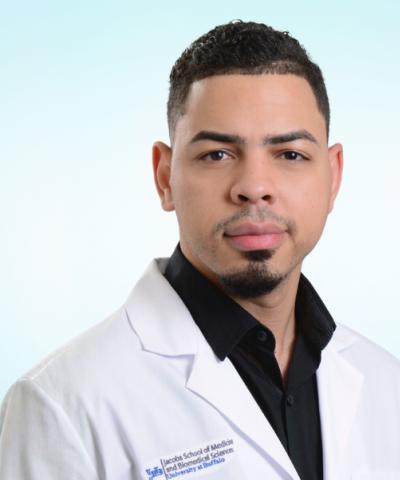
Current Role: Postdoctoral Associate, Graduate Research Assistant, University of Buffalo
Postgraduate degree: Ph.D. in Pharmacology, University of Buffalo, June 2025
John Jay College degree: B.S. in Toxicology
Program: Program for Research Initiatives in Science & Math (PRISM), CUNY Justice Academy (CJA)
Mentors: Marta Concheiro-Guisan, Ph.D., Associate Professor of Toxicology; Edgardo Sanabria-Valentín, Ph.D., Adjunct Assistant Professor, Associate Program Director of PRISM
Internships: Research Scientist Intern, Mimetic Medicines Inc.; Summer Research Intern, University of Pittsburgh; Undergraduate Research Assistant to Marta Concheiro-Guisan, John Jay College
Hometown: Dominican Republic; New York City
Career Aspiration: Biomedical Researcher
What was life like before John Jay College?
I grew up in the Dominican Republic (DR) and had a great childhood. I was always surrounded by family and friends. My mom worked as a pharmacist in the DR, so there’s always been a passion in me to understand how different medications work. In terms of academics, I wasn’t very good at math, but I was inclined toward science classes. I did well in biology.
Mom left for the U.S. when I was 10 years old. I remained in the DR with my dad, but when I was 18, I joined my mom and brothers in New York City. We all understood that there were more educational and career opportunities here than in the DR.
Why John Jay?
When I first arrived in New York, my English was not very good. So, I began my college career at Hostos Community College as an ESL student, and then later enrolled in their forensic science program. Beyond the focus on forensic science, what attracted me to the program was its dual-admission structure: you earn your associate degree in forensic science at Hostos and then your bachelor’s degree at John Jay College. I was excited about the research opportunities John Jay College provides its students, so joining the dual program was an easy decision for me. I was excited to transfer to John Jay and to immerse myself in the College’s science programs.
What sparked your passion for science and pharmacology?
I’ve always had a curious mind and was attracted to science. A lot of that had to do with my mom’s work as a pharmacist in the DR. People from the neighborhood, who didn’t have a lot of resources, would reach out to my mom, asking her what they should take to treat ailments. I would hear her conversations with the neighbors, explaining how different medications would help and what the possible side effects were. Hearing mom help our neighbors sparked something in me, a drive to learn more about how medications work, their effects on the brain and body, and how we can use them to help people feel better.
Then, when I came to John Jay, I had the chance to do hands-on research with Dr. Concheiro-Guisan and internships that opened my eyes to biomedical research and drug discovery. I knew then that’s what I wanted to pursue for my career. I want to learn more about pharmacology and work in the biotech field, specifically in drug research and development.
What was your research at John Jay about?
Our research focused on coming up with a method to analyze psychoactive drugs, specifically methylone, a type of amphetamine. At the time, there wasn’t much research done on the drug. Methylone is a popular street drug and is more commonly known as bath salts. The goal of our research was to identify and develop a method to quantify psychoactive substances in the brain. Using rats, we observed how the drug was absorbed and broken down in the brain and how it affected their brains and behavior. We ended up developing a method using LC-MS (Liquid Chromatography and Mass Spectrometry) techniques, which is often used in forensic science to identify drugs. What was most exciting was that our results were published, which made it my first published research paper.
How did your mentors put you on the path to success?
I really believe that my PRISM mentors were the main reason I was able to get into a Ph.D. program. They helped boost my confidence by encouraging me to immerse myself in the world of science and research. They pushed me to take advantage of opportunities, such as undergraduate research with Dr. Concheiro-Guisan, research programs outside of John Jay, presenting at science conferences, and networking events where I met other students aspiring to work in science.
My mentors also helped me with the application process for the summer research program at the University of Pittsburgh and, ultimately, for the Ph.D. program at the University of Buffalo. They wrote my recommendation letters, reviewed my resume and essays, conducted practice interviews with me, and connected me with people who were already in graduate school or working in pharmacology. They wanted me to have insight into the world I was stepping into. They wanted me to be ready.
How did your John Jay education prepare you for your Ph.D. program?
I had great professors at John Jay who taught me a lot about pharmacology and toxicology. Notably, toxicology professor Richard Stripp, Ph.D., really sparked my passion for the field. The way he taught his courses was phenomenal because he was a practicing toxicologist and could bring his real-world experience into the classroom. His teaching style made me excited to learn more and provided an incredible foundation of knowledge that I could apply in Buffalo.
Where do you see yourself in five to 10 years?
I see myself working in the biotech field, specifically in research and development. I want to develop drugs to treat neurodegenerative diseases and age-related diseases like Alzheimer’s. As our life expectancy increases, so too does the risk of health challenges. My goal is to hopefully slow down the disease’s progression or eradicate it completely.
I’d also like to make science more inclusive and diverse by helping the next generation. I joined the John Jay alumni mentorship program this past fall. I was assigned an undergraduate mentee who wants to work in science. Learning more about her goals and helping her navigate the undergraduate process, as my mentors at John Jay did for me, has been really great.
Finish this sentence: Because of John Jay…
I am a scientist with a Ph.D. who is on a mission to find a cure for Alzheimer’s.
Ashley Kaswer ’25 Heads to Michigan State University to Earn Ph.D.
Degree: B.S. in Forensic Science
Concentration: Toxicology
Programs: Program for Research Initiatives in Science and Math (PRISM), CUNY Inclusive Economy Initiative (CIE), CUNY Immersive Research Experience (CIRE)
Mentors: Shu-Yuan Cheng, Ph.D., Associate Professor in the Department of Sciences; Edgardo Sanabria-Valentín Ph.D., Adjunct Assistant Professor, Associate Program Director PRISM; Alejandra Myerston, STEM Retention Specialist, PRISM; Julie Kiss, Career & Academic Advisor, CIE
Internship: FDA National Center for Toxicological Research
Hometown: Poughkeepsie, NY
Career Aspiration: FBI Forensic Toxicologist
Post-Graduate Plans: Ph.D. in Pharmacology and Toxicology Program at Michigan State University
What was life like before John Jay?
I grew up in Poughkeepsie, New York, the oldest of three kids. My mom is an entrepreneur who runs her own medical billing company, and my dad is a chef at an assisted living facility that feeds veterans. I’m the first in the family to attend college, so when it came to applying to college, I had to navigate the application process without a lot of help. Thinking about my siblings in the future, my mom sat beside me so she could learn how to apply and see where to look for resources and information. It’s nice to think I’m trailblazing the path for my sisters.
Why John Jay?
The minute I set my heart on forensic science I knew I was going to John Jay College. John Jay is among the top-rated colleges in the country for forensic science, justice-focused education, and the law—and that’s exactly what I wanted. I also grew up familiar with the city since my mom grew up in the Bronx. Going to a college located in the heart of New York City was exciting for me.
What sparked your passion for science, biology, and toxicology?
I’ve always had a passion for math and science. That love expanded in high school while taking a chemistry course. Getting to view molecules under a microscope and seeing how this little molecule works, interacts with others, and can go on forever with each zoom was so fascinating.
My love for science also comes from real-world experiences and from hearing about the role forensic science plays in solving crimes. I was influenced by the stories I heard from family members who work in law enforcement and the true crime documentaries my mom and grandmother would watch on television. Growing up in Poughkeepsie, I also saw the impact drugs and nicotine use had on people. Vaping was on the rise when I was in high school, especially among young people, including myself. Seeing that in my community made me want to understand how addiction works and in what ways drugs alter the brain and impact the body.
How did your mentors at John Jay put you on the path to success?
Alejandra Myerston from PRISM was one of my first mentors at John Jay, and she gave me great advice when I was dealing with imposter syndrome. She said that a smart scientist knows what they don’t know, admits it, and then goes out to ask someone for help and learns more. That advice has helped me throughout my undergraduate experience.
I’ve had the chance to do research with Dr. Shu-Yuan Cheng, and she’s been such an incredible mentor. She is supportive and consistently advocates for me, providing valuable advice and suggesting various labs and learning opportunities that would benefit my growth. She’s signed me up for several programs and scholarships and connected me with current and post-grad Ph.D. students for mentorship opportunities.
Dr. Edgardo Sanabria-Valentín’s mentorship has been invaluable as well. He has kept me on track for graduation and checked in regularly to make sure I was doing okay. In terms of research, he made sure my writing was top-notch and that I was prepared for my presentations, ensuring that the information I was sharing was clear and that I was comfortable speaking in front of an audience. He’s also been an excellent resource during the graduate school application process. Anytime I mentioned that I liked a particular program, he would go out of his way to connect me to someone at that institution. His mission has always been to help me achieve my goals. As a PRISM and John Jay student, it feels wonderful to know you have people in your corner who will move mountains for you to see you succeed.
What has your research at John Jay been focused on?
I’ve been working with Dr. Cheng, looking at an existing chemotherapy drug that was approved in 1974 by the FDA, trying to understand how the drug kills the cancer cells, what proteins are involved, and what pathway the drug takes to kill the cancer cell. This research has been ongoing for years at CUNY, but we wanted to take a different approach by using bioinformatics, which is computer science analysis that analyzes and interprets biological data.
When I joined the research lab two years ago, Dr. Cheng had just obtained the license to use the bioinformatics program QIAGEN Ingenuity Pathway Analysis. No one at John Jay had used the program before, which meant my very first task was to figure out how to use it. I spent hours attending webinars and reading articles, and ultimately became a certified analyst of ingenuity QIAGEN Pathway Analysis. Using the bioinformatics program, I was able to upload the data from previous research and create what we call potential mechanisms. These mechanisms show the various connections within the cell that was treated with the drug. The program allowed us to see the role the cell played and deepened our understanding of how the drug killed the cell.
What was your FDA National Center for Toxicological Research internship like?
I learned about the internship through my friend Sarah Marks, who had previously participated in the program. She was so supportive throughout the process, sitting next to me while I applied and keeping me calm when I felt overwhelmed. It was wonderful to have a peer who had experienced the internship and repeatedly let me know that I was capable of excelling.
The internship took place over the summer in Arkansas. I actually lived with Sarah’s parents while completing the program. Due to my experience with bioinformatics and research with Dr. Cheng, I was placed with the FDA’s division of systems biology and looked at asthma drugs, identifying and profiling the metabolites of the drug. Recently, there’s been an increase in reports of some asthma drugs causing neuropsychiatric side effects in children. So, our goal was to see if the metabolites that we know cross the blood-brain barrier were present in the drugs we were testing.
How was your experience in the NIH-funded Toxicology Mentoring and Skills Development Training Program (ToxMSDT)?
ToxMSDT is an exciting year-long mentorship program that’s hosted through UC Davis. Only 25 students from across the country are selected, and if you’re chosen, you get to have a one-on-one mentorship with someone in the field of toxicology. I was thrilled and honored to be selected. I was paired with John Buchweitz, Ph.D., the section chief for nutrition and toxicology at Michigan State University. He’s a forensic toxicologist and an expert witness in court and has worked with multiple federal agencies on investigations and court proceedings. So, he’s essentially doing what I want to do.
During the mentorship, Dr. Buchweitz and I would meet regularly via Zoom, and he let me decide what areas I wanted our conversations to focus on. As a first-gen student who was applying to graduate schools, it was important for me to get insight on what Ph.D. programs I should consider from someone who was a practicing forensic toxicologist. He provided me with a wealth of knowledge, recognized my concerns, and provided me with diverse opinions.
How did John Jay prepare you for grad school?
I truly believe the forensic science program at John Jay provides an incredibly strong foundation for any student wanting to be a scientist. As a student, you spend the first few years mastering the sciences, from chemistry to quantum mechanics, which sets you up for future success. One of the most important classes I took at John Jay was Instrumental Analysis I & II. Very few undergraduate programs offer this course, yet understanding instrumentation and having the ability to troubleshoot with analytics is crucial for successful scientists. I feel this set me apart, made me shine, and helped me stand out as a strong Ph.D. program applicant. With a John Jay education, you can truly go anywhere after graduation.
What are your plans after graduation?
After graduation, I will attend Michigan State University to pursue my Ph.D. in Pharmacology and Toxicology. MSU’s prestigious program in pharmacology and toxicology produces exceptional alumni who become established scientists in all fields within toxicology. The university also has connections with government agencies, including the FBI. I have been awarded a yearly stipend to cover my living expenses, which means I’ll be able to concentrate fully on research. It’s thrilling to be able to do what I love and give it my all during the Ph.D. program.
Where do you see yourself in 10 years?
After graduating from MSU, I plan to become a forensic toxicologist with the FBI and to serve as an expert witness in court. I’d love to further the scientific communication for members of the jury and people attending court hearings. The idea of becoming Dr. Kaswer feels surreal, but after graduating from John Jay and getting into a Ph.D. program at MSU, that dream is now within reach.
Andrew Vargas ’25 Wins Full Scholarship to Johns Hopkins PhD Program
Major: Toxicology
Minor: Environmental Justice
Programs: PRISM, Honors Program, Macaulay Honors College, CUNY Immersive Research Experience (CIRE), Ronald E. McNair Scholars Program
Mentors: Vice Provost and Dean of Research, Anthony Carpi, Ph.D.; Biology Professor Nathan Lents, Ph.D.; LaDawn Haglund, Ph.D., Associate Professor of Climate Justice
Hometown: Middletown, NY
Career Aspiration: Professor
Post-graduate Plan: Johns Hopkins Bloomberg School of Public Health
How did you first hear about John Jay College?
My mom, Anissa, went to John Jay, but she was unable to finish because her mother was diagnosed with cancer and later passed away. My grandpa was struggling after his wife’s death, so my mom took it upon herself to put her education on hold and focus on her father’s well-being. But when she was at John Jay, she was a forensic science major and loved it. Soon after she left the College, she got pregnant with me. Growing up, she always spoke so highly of John Jay’s faculty.
During my sophomore year of high school, I came to John Jay for the first time for an open house. My parents took me to Gray’s Papaya for hotdogs, showed me the subway, and told me all the ins and outs of the city. When we got to the school, mom was amazed at how much the College had changed—when she was here, there wasn’t a New Building. We took a walk on the Jaywalk and listened to different professors explain the research they were doing with their students. During that open house, for the first time, I heard about the Macaulay Honors College. The speaker mentioned how Macaulay students had their tuition paid for them, laptops were given to them, and there was all this access to opportunities and resources. When I heard that, I leaned over to my parents and said, “I’m going to get that.”
How did John Jay support your personal journey?
The Honors Program was a big help with embracing my identity, especially during my first-year colloquium. In that class, we talked about different types of identities. It really provided a space where I could just sit and reflect. I’d never had a space like that before. My peers in that colloquium helped facilitate that space, so I felt comfortable talking about my sexuality and mental health. A couple of Honors students noticed that there was no LGBTQ representation in the Honors community. So, we talked to Miss Fitz (Adrienne Fitzgerald, Honors Program Student Support Manager), and she helped us create the LGBTQ+ Honors Committee. Now we have movie events and book clubs where we read queer books. It’s a space where you can relax and talk about any issues you feel like talking about.
John Jay is such a diverse school. As a Puerto Rican and Cuban student, who grew up in a Black-majority city, I was happy to be at a Minority- and Hispanic-Serving Institution. It helped me take pride in my identity because there were so many different people here and some of them share similarities with my story.
How has your mom supported your growth at John Jay?
My mom has always been in my corner. She’s a scientist too and I feel like our shared love of science has brought us closer. Whenever I got an exam grade back, or did something that worked in the lab, she was the first person I’d call. When I switched my major from forensic science—which was her major—to toxicology, she supported me all the way. When I told her I wanted to explore environmental issues, get my Ph.D., and become a professor, she trusted my judgment. My mom had no idea that you could get a Ph.D. straight out of undergrad, but she was all for it once I told her that’s what I wanted to do.
What are your plans after graduation?
In the fall I’ll be starting the Environmental Health Ph.D. program at Johns Hopkins University. I figured out that I wanted to go there in a really unique way. I reached out to a lot of environmental health professors to learn more about their programs. After hearing more about my interests, one professor at Boston University, who wasn’t taking on new students, suggested I reach out to Professor Keeve Nachman, Ph.D., at Johns Hopkins. I looked into the program at Hopkins and realized it was everything that I wanted—the perfect balance of wet lab and social science work. They also focused on environmental justice, environmental racism, and how the environment impacts our food systems and health. John Hopkins Bloomberg School of Public Health is ranked the top public health program in the country, and over time, it became my top choice for grad school.
How did you find out you got into the program?
The application process was really long. First, when I was doing a study abroad course in Europe, I got an email from Johns Hopkins saying that they wanted to interview me. I was in Barcelona studying sustainability, so that was a cool icebreaker for my interviews. After that, I got an email saying that I was being considered for a diversity fellowship, and I had an interview for that. Later, I had an interview with Dr. Nachman and it went really well. He told me that he wasn’t thinking about taking on any new Ph.D. students, but when he saw my application, he reconsidered the idea. I was thrilled, my application possibly changed this incredible professor’s mind. Dr. Nachman also suggested I apply to a second fellowship at their food systems research center called the Center for a Livable Future. That fellowship was designed for a Ph.D. student who wanted to research the health effects of industrial animal agriculture on environmental justice communities—which was exactly what I wanted to do.
Afterward, I got an email saying that I was moving on to the in-person interviews. They paid for my Amtrak tickets, put me in business class, and put me up in a hotel in Baltimore. By the end of the visit, I’d had six interviews in total, including a great interview with a professor, Sara Lupolt, Ph.D., who was one of Dr. Nachman’s first Ph.D. students.
Three weeks later, back at John Jay, I started to get nervous. I was constantly checking my email. I really wanted Johns Hopkins. Then I got an email from Dr. Nachman asking if I could hop on a Zoom call for a quick chat. I went through every worst-case scenario possible. What if he’s just trying to let me down nicely? Before I hopped on the Zoom call, I called my mom. She told me to just be myself and call her immediately afterward. When I got on the Zoom call it was both Dr. Nachman and Dr. Lupolt. They said that I was accepted into the program, they both would be my advisors, and I was selected for the Livable Future fellowship. I was guaranteed full funding for up to five years, additional funding for research if I needed it, and a $50,000 stipend with a four percent increase each year. I couldn’t stop smiling.
How did your family and mentors respond to your news?
When I called my mom back and told her what happened, she couldn’t stop crying. She was just so happy for me. Then, I started walking around John Jay looking for people I needed to tell I got into the program. I texted Dr. Carpi that I had some good news and he told me to stop by his office. He was thrilled for me and immediately called Dr. Lents over and said, “Did you hear? Andrew’s going to Hopkins!” When I told Dean Byrne (Dara N. Byrne, Ph.D., Dean Macaulay Honors College), I thanked her and said I couldn’t have done it without the amazing mentorship and advice that I received. She told me, “Yes, Andrew, you could have achieved it, because you are super smart. It just would have been lonely and less affirming.”
Would you finish this sentence? Because of John Jay…
I found my passions and learned to fully give into them without minimizing who I am for the sake of success.